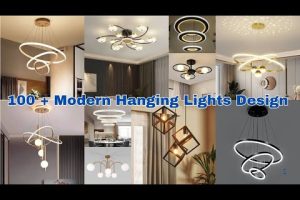
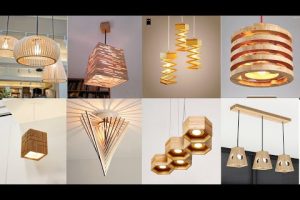
When it comes to transforming a kitchen from purely functional to genuinely inviting, lighting plays a role that no countertop upgrade or cabinet refresh can match. Hanging lamps for kitchen spaces have surged in popularity among homeowners and interior designers alike, and for good reason. They deliver targeted illumination over prep areas and dining nooks while doubling as striking design statements. Whether you are remodeling a compact city apartment kitchen or designing a sprawling farmhouse layout, the right suspended fixture can completely redefine the room’s mood, depth, and personality. In this guide, we will explore everything from fixture types and sizing rules to installation insights, material options, and expert placement strategies that will help you make a confident, informed decision.
Why Hanging Lamps Are a Game-Changer for Kitchen Design
Kitchens have evolved far beyond cooking zones. Today’s open-plan living spaces demand that every element, including overhead lighting, serve both practical and aesthetic purposes. Hanging lamps address this dual need beautifully. Unlike recessed downlights that wash a room in flat, uniform light, suspended fixtures create visual hierarchy. They draw the eye upward, anchor key areas like islands and dining tables, and add layers of depth that make a kitchen feel designed rather than merely outfitted.
Another compelling reason homeowners are choosing kitchen hanging lamps is adaptability. You can swap out a fixture during a refresh without tearing into ceilings or rewiring entire circuits. This makes suspended lighting one of the most cost-effective ways to update a kitchen’s look and feel. Additionally, modern hanging lamps come in an extraordinary range of styles, from minimalist Scandinavian designs to bold industrial pendants, ensuring there is something to suit every taste and budget.
Types of Hanging Lamps for Kitchens
Understanding the different categories of suspended kitchen lighting is essential before making any purchase. Each type offers distinct advantages in terms of light distribution, visual impact, and installation complexity.
Pendant Lights
Pendant lights are the workhorses of kitchen illumination. These single-fixture, cord- or chain-hung lamps hang from a ceiling mount and focus light downward in a concentrated pool. They are ideal above kitchen islands, breakfast bars, and dining counters where task lighting matters most. Modern pendant designs range from compact mini pendants perfect for smaller spaces to oversized globe pendants that make a bold architectural statement. Popular variations include drum pendants, cone pendants, and cage pendants, each offering a different interplay of light and shadow.

Chandeliers
While traditionally associated with dining rooms and foyers, chandeliers have become increasingly popular as kitchen hanging lamps, particularly in larger open-concept layouts. A chandelier above a kitchen island or a formal dining area within the kitchen adds a touch of elegance and sophistication that few other fixtures can replicate. Crystal chandeliers bring sparkle and glamour, while modern chandelier designs featuring metal, wood, or mixed materials offer a more contemporary edge.
Adjustable Track and Cable-Rail Systems
For kitchens that need flexibility in lighting direction and placement, adjustable track systems and cable-rail hanging lamps are excellent choices. These fixtures allow you to reposition individual heads along a track or rail, directing light precisely where it is needed. They are particularly useful in galley kitchens or U-shaped layouts where fixed placement might not cover all work zones evenly.
Cluster and Multi-Light Pendants
Cluster pendants, which group two, three, or more individual fixtures together on a single mount, are a trending option for oversized islands and long countertops. They create a sculptural focal point while delivering balanced illumination across a wider surface area.
How to Choose the Right Hanging Lamp for Your Kitchen
Selecting the perfect suspended fixture involves more than picking a style you love. There are concrete measurements and design principles that guide the best choice for any given kitchen.
Size and Scale Considerations
The most common mistake people make when buying kitchen hanging lamps is choosing a fixture that is either too small or too large for the space. Here are some reliable sizing guidelines:
- Width rule: Add the length and width of your kitchen in feet, then convert that sum to inches. For example, a 10-foot by 12-foot kitchen suggests a fixture approximately 22 inches wide.
- Island pendants: The fixture width should be roughly one-half to two-thirds the width of the island. For a 48-inch island, aim for a pendant between 24 and 32 inches wide.
- Height rule: Hang the bottom of the fixture 30 to 36 inches above the countertop for task lighting, or 72 to 84 inches above the floor for general ambient lighting.
Style and Aesthetic Matching
Your kitchen hanging lamp should harmonize with the room’s overall design language. For minimalist or Scandinavian kitchens, look for clean lines, neutral tones, and simple geometric shapes. Rustic or farmhouse kitchens pair beautifully with wrought iron, aged brass, or wood-accented pendants. Contemporary and mid-century modern kitchens benefit from fixtures featuring bold colors, sculptural forms, or metallic finishes like brushed copper and matte black.
Best Materials and Finishes for Kitchen Hanging Lamps
The material of your hanging lamp affects not only its visual character but also its durability and ease of maintenance in a kitchen environment where grease, steam, and humidity are constant factors.
| Material | Best For | Maintenance Level | Style |
| Stainless Steel | Modern and industrial kitchens | Low – wipes clean easily | Sleek, utilitarian |
| Brass (Brushed or Polished) | Transitional and warm kitchens | Medium – occasional polishing | Warm, elegant |
| Glass (Tempered or Frosted) | All kitchen styles | Low to Medium | Versatile, luminous |
| Wicker or Rattan | Bohemian and coastal kitchens | Medium – dust regularly | Textured, organic |
| Cast Iron | Rustic, farmhouse, and industrial | Low – durable and sturdy | Rugged, vintage |
| Concrete | Ultra-modern and loft-style kitchens | Low – wipe with damp cloth | Industrial, minimalist |
When choosing a finish, consider how it will interact with other metal hardware in your kitchen, such as cabinet pulls, faucet finishes, and appliance handles. A cohesive metal palette creates a polished, intentional look, while intentionally mixed metals can add curated eclecticism.
Installation Tips and Placement Guidelines
Proper installation and placement are just as important as selecting the right fixture. Even the most beautiful hanging lamp will underperform if mounted incorrectly.

- Check your ceiling structure. Before purchasing, confirm that your ceiling can support the weight of the fixture. Standard drywall ceilings typically handle pendants up to 15 pounds with a proper brace box. Heavier chandeliers may require a joist-mounted bracket or additional support.
- Plan the electrical circuit. Ensure your kitchen has a dedicated circuit for lighting, and verify that the junction box can handle the fixture’s wattage. Hiring a licensed electrician is strongly recommended for any new circuit installation.
- Use a dimmer switch. Kitchen hanging lamps paired with dimmer switches offer incredible versatility. You can brighten the space for food prep and dim it for evening entertaining.
- Maintain consistent hanging heights. If installing multiple pendants above an island, keep them all at the same height and spacing for a balanced, cohesive appearance. A spacing of 24 to 30 inches between each fixture works well in most cases.
- Consider bulb type and temperature. LED bulbs with a color temperature between 2700K and 3000K provide warm, inviting light that complements most kitchen designs. For task-focused areas, slightly cooler 3500K bulbs can improve visibility during cooking.
Comparison: Top Hanging Lamp Styles for Different Kitchen Types
| Kitchen Type | Recommended Fixture | Ideal Placement | Suggested Height | Best Finish |
| Small Galley | Mini pendant or single flush-mount pendant | Center of narrow hallway | 72-78 inches from floor | Brushed nickel |
| Single Island | Linear multi-pendant cluster | Directly over island | 30-36 inches above counter | Brass or black |
| Open Concept | Statement chandelier | Over dining zone or island | 30-36 inches above table | Mixed metals |
| Farmhouse | Woven or wood-accented pendant | Over sink or island | 30-36 inches above counter | Antique bronze |
| Modern Minimalist | Geometric globe or cone pendant | Over prep area or island | 30-36 inches above counter | Matte black or white |
Expert Tips for Maximizing the Impact of Kitchen Hanging Lamps
- Layer your lighting. Use hanging lamps in combination with under-cabinet LED strips and recessed can lights for comprehensive, layered illumination that eliminates shadows and dark corners.
- Think about scale relative to room height. In kitchens with 9-foot ceilings, a pendant that is 18 inches in diameter or less will look proportional. In rooms with 12-foot ceilings, you can go larger or add more dramatic drop lengths.
- Choose fixtures with easy-to-clean designs. Kitchens accumulate grease and cooking residue quickly. Open-style pendants with glass shades or smooth metal finishes are much easier to wipe down than intricate crystal or fabric-covered fixtures.
- Consider cord length adjustability. Many modern hanging lamps feature adjustable chains or cords, allowing you to fine-tune the height after installation without professional help.
Conclusion
Hanging lamps for kitchen spaces represent one of the most impactful and versatile upgrades a homeowner can make. They merge form and function in a way that few other lighting solutions can, providing essential task illumination while elevating the entire room’s design language. By understanding the types of fixtures available, following proper sizing and placement rules, selecting materials suited to your kitchen’s environment, and layering light sources effectively, you can create a kitchen that is as beautiful as it is practical. Take your time, measure carefully, and invest in quality fixtures that will serve your space well for years to come.
Frequently Asked Questions
1. What is the ideal hanging height for a kitchen pendant lamp?
The standard recommendation is to hang a pendant lamp 30 to 36 inches above the kitchen countertop. For dining areas, the bottom of the fixture should sit approximately 30 to 36 inches above the table surface. In rooms with higher ceilings, you can adjust upward while maintaining enough clearance to prevent head bumps.
2. Can I install a hanging lamp in a kitchen without a ceiling junction box?
No, a properly rated ceiling junction box is essential for safe installation of any hanging lamp. If your kitchen ceiling lacks one, you will need to have an electrician install a fan-rated brace box or retrofit a support bracket before mounting any fixture. Skipping this step poses a serious fire and safety hazard.
3. How many hanging lamps should I install above a kitchen island?
A general guideline is to install one pendant for every 2 to 2.5 feet of island length. For a standard 6-foot island, two or three pendants spaced evenly will provide balanced lighting. Avoid placing fixtures too close to the island’s edges, as this can create uneven light coverage and glare.
4. Are LED bulbs better for kitchen hanging lamps than incandescent bulbs?
Absolutely. LED bulbs use significantly less energy, last up to 25 times longer than incandescent options, and produce far less heat, which is critical in a kitchen environment. Look for LED bulbs with a color rendering index (CRI) of 90 or above for the most accurate and flattering light when preparing food.
5. What is the best hanging lamp style for a small kitchen?
For small kitchens, mini pendants or a single slender drum pendant work best. Avoid oversized fixtures that can overwhelm the space. Consider fixtures with lighter, open designs that do not visually consume the room. A single pendant with a frosted glass shade can provide ample light without making the space feel cramped.
6. How do I clean and maintain my kitchen hanging lamp?
For most suspended fixtures, a soft microfiber cloth dampened with a gentle all-purpose cleaner is sufficient for regular maintenance. Glass and metal shades can be wiped down weekly, while fabric or woven shades should be dusted with a soft brush attachment on your vacuum. Always turn off and allow the bulb to cool before cleaning, and consult the manufacturer’s guidelines for any specific care instructions.