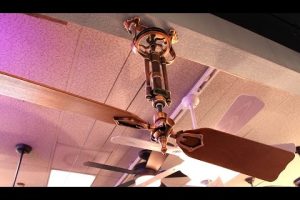
A ceiling fan without light has become one of the most practical and sought-after home cooling solutions for homeowners who already have adequate overhead lighting in their rooms. Whether you are remodeling a bedroom, upgrading a living room, or outfitting a commercial space, choosing a lightless ceiling fan offers simplicity, cleaner aesthetics, and focused airflow without the bulk of an unnecessary lighting component. This comprehensive guide covers everything you need to know about selecting, installing, and maximizing the performance of a fan that operates without any integrated light fixture.
Why Choose a Ceiling Fan Without Light
There are several compelling reasons to invest in a ceiling fan without light. First and foremost, it eliminates visual clutter. Many rooms already feature recessed lighting, pendant fixtures, or wall sconces that handle illumination perfectly well. Adding a light kit to a ceiling fan in those spaces creates redundancy and can make the room feel over-accessorized. A fan-only design keeps the visual profile clean and modern, complementing minimalist, industrial, or contemporary interior styles with ease.

From a functional standpoint, fans without lights tend to be lighter and more aerodynamic. Without the added weight and housing of a light kit, these models often deliver smoother, more efficient air circulation. They also tend to be slightly more affordable since you are not paying for lighting components you do not need.
Types of Ceiling Fans That Operate Without Light

Not all fan-only models are created equal. Understanding the different categories helps you narrow your options based on room size, ceiling height, and aesthetic preferences.
Standard Residential Lightless Fans
These are the most common fan without light options found in home improvement stores. They come in a wide range of blade counts — typically three, four, or five blades — and are designed for standard 8-foot ceilings. Popular blade materials include wood, composite, and metal, each offering distinct visual and acoustic profiles.
High-Speed and Industrial-Grade Fans
For workshops, garages, and commercial settings, lightless ceiling fans are built with heavy-duty motors and larger blade spans. These high-velocity models prioritize raw airflow over decorative appeal and often include reversible motor direction for year-round use — pushing air downward in summer and drawing it upward in winter.
Flush Mount and Low-Ceiling Fans Without Light
If your room features a low ceiling or a recessed installation, flush-mount fan-only models sit close to the ceiling surface and still deliver impressive air movement without requiring a light component.
Key Features to Consider When Buying a Fan Without Light
Selecting the right lightless ceiling fan requires attention to several critical specifications that directly impact performance and longevity.
- Motor Type: AC motors are traditional and reliable, while DC motors run quieter and consume significantly less energy — often up to 70% less electricity than their AC counterparts.
- Blade Size and Pitch: Blade diameter should correspond to room size. A fan with 52 to 56-inch blades works well for medium rooms, while larger spaces benefit from 60-inch or wider spans. Blade pitch — the angle of the blade — determines how effectively the fan moves air; steeper pitches generate stronger airflow.
- Reversible Airflow: A reversible motor allows the fan to switch between clockwise and counterclockwise rotation, enabling seasonal comfort optimization without buying a second unit.
- Noise Level: Look for models rated at 1.0 sone or lower for whisper-quiet operation, especially in bedrooms and home offices.
- Speed Settings: Fans with multiple speed settings — ideally three to six — give you precise control over airflow intensity throughout the day.
- Installation Compatibility: Ensure the fan is compatible with your ceiling box and mounting type, whether it is a standard mount, sloped ceiling adapter, or flush mount configuration.
Best Rooms and Spaces for a Lightless Ceiling Fan
A fan without light shines in environments where lighting is already managed separately. Here are the top applications:
- Bedrooms: A quiet, lightless fan provides gentle, consistent airflow without competing with bedside lamp lighting or overhead fixtures designed for reading and relaxation.
- Living Rooms: In spaces with statement chandeliers or track lighting, a fan-only ceiling model keeps the focal point on the room’s décor rather than on a bulky light fixture.
- Garages and Workshops: Industrial lightless fans handle dust and debris while delivering powerful ventilation for extended work sessions.
- Outdoor Patios (Covered): Wet-rated fan-only models are ideal for covered porches and sunrooms where lighting is provided by exterior sconces or string lights.
- Home Offices: Reducing visual distractions in a workspace improves focus, and a clean fan without light contributes to a calmer, more productive environment.
Comparison of Popular Lightless Ceiling Fan Categories
| Category | Best For | Blade Range | Motor Type | Price Range |
| Standard Residential Lightless Fan | Bedrooms, living rooms | 3–5 blades, 42–56 in | AC or DC | $80 – $350 |
| Industrial High-Speed Fan | Garages, workshops, warehouses | 3–5 blades, 52–72 in | AC | $120 – $500 |
| Flush Mount Fan Without Light | Low ceilings, apartments | 3–4 blades, 36–44 in | AC | $60 – $250 |
| DC-Powered Premium Fan | Energy-conscious homeowners | 5 blades, 48–60 in | DC | $200 – $600 |
Installation Tips for a Ceiling Fan Without Light
Installing a fan that does not include a light kit is slightly simpler than mounting a fan with an integrated fixture, but proper installation is still critical for safety and performance.
- Use a Proper Ceiling Box: Always install the fan on a fan-rated electrical box rated to support the weight and rotational force of the unit. Standard light fixture boxes are not designed for this load.
- Check the Mounting Bracket: Ensure the mounting bracket is securely fastened to a joist or beam. If you are working with a vaulted or sloped ceiling, use the appropriate adapter plate included with the fan.
- Wire Connections: Match black to black (hot), white to white (neutral), and green or bare copper to the ground wire. If your fan has a pull chain for speed control, make sure it connects to the correct wire.
- Balance the Blades: After installation, test the fan at high speed. If you notice wobbling, use the balancing kit that most manufacturers include to adjust individual blade angles.
- Consider Smart Controls: Many modern lightless fans are compatible with smart home ecosystems like Alexa, Google Home, and Apple HomeKit, allowing remote speed adjustments and scheduling without a light component.

Maintenance Best Practices for Lightless Ceiling Fans
Keeping a fan without light in top condition requires regular but minimal maintenance. Dust the blades and motor housing monthly with a microfiber cloth to prevent buildup that can throw off balance and reduce airflow efficiency. Tighten blade screws and the mounting hardware every six months, as vibration over time can loosen connections. For fans with moving parts such as bearings, lubricate them annually following the manufacturer’s recommendations. If your fan includes a remote control or receiver, replace the batteries seasonally to avoid intermittent connectivity issues.
Frequently Asked Questions
Can I Add a Light Kit to a Ceiling Fan Without Light Later?
Yes, many lightless ceiling fan models are designed with a universal mounting plate that accommodates aftermarket light kits. Before purchasing a fan without light, check the manufacturer’s specifications to confirm that a light kit can be added later. Some models require a specific adapter, while others come pre-wired with the necessary wiring harness for easy light kit integration.
Are Fans Without Light More Energy Efficient Than Fan-Light Combos?
Not significantly. The energy consumption difference between a ceiling fan without light and one with a built-in light kit is minimal — typically around 5 to 15 watts, depending on the bulb type in the combo model. The real energy savings come from choosing a DC motor fan, which can operate on as little as 4 to 10 watts at its lowest speed setting, regardless of whether it includes a light fixture.
What Size Ceiling Fan Without Light Do I Need for a 200-Square-Foot Room?
For a room of approximately 200 square feet, a ceiling fan with a blade span of 50 to 54 inches is ideal. This size provides adequate air coverage without overwhelming the space. For higher ceilings above 9 feet, consider a fan with a downrod extension to position the blades at the optimal 7 to 9 feet above the floor for maximum airflow efficiency.
Is It Harder to Install a Ceiling Fan That Does Not Include a Light?
No, installing a fan without light is actually slightly easier than installing a fan-light combo. There are fewer wire connections and no need to route electrical supply to a light housing. The basic steps — securing the mounting bracket, attaching the motor assembly, hanging the blades, and connecting the wiring — remain the same. The absence of a light kit simply removes one step from the process.
Can I Use a Remote Control With a Lightless Ceiling Fan?
Absolutely. Many lightless ceiling fans come with remote controls or are compatible with universal remote kits. The remote allows you to adjust fan speed, reverse airflow direction, and set timers — all without needing a light function. Some advanced models even offer variable speed memory and sleep mode settings through the remote, enhancing everyday convenience.
Do Lightless Ceiling Fans Work Well in Humid Environments Like Bathrooms?
Yes, but you must select a model rated for damp or wet locations depending on your bathroom’s ventilation. Fans without light rated for damp environments can handle indirect moisture exposure, making them suitable for bathrooms without direct shower spray. Look for models with corrosion-resistant blades and sealed motor housings to ensure durability in humid conditions.
Conclusion
A ceiling fan without light is a smart, practical choice for any home where overhead illumination is already handled by separate fixtures. These fan-only models deliver focused, efficient airflow with a cleaner visual profile, easier installation, and often a lower price point than their combo counterparts. By understanding the different types, prioritizing the right features, and following proper installation and maintenance practices, you can enjoy years of reliable, energy-efficient cooling from a lightless ceiling fan that perfectly complements your space. Whether you are outfitting a bedroom, upgrading a garage, or refreshing a living room, a well-chosen fan without light combines form, function, and value in a single, streamlined package.