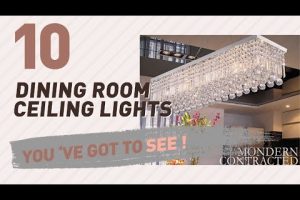
When you step into a rustic kitchen, the warmth that envelopes the space is undeniable. That charm originates from the lighting choices that define the room’s atmosphere. Farm house kitchen lighting is about more than just illuminating a workspace; it is about curating an environment where family memories are made. Whether you are renovating a century-old barn conversion or adding rustic character to a new build, selecting the right illumination requires an understanding of style and spatial harmony.
The Core Principles of Farm House Kitchen Lighting
Designing the perfect ambiance for a rural-inspired culinary space relies heavily on layering different light sources. Relying on a single overhead fixture often results in harsh shadows and unflattering brightness. Instead, successful farmhouse illumination combines ambient, task, and accent lighting to create depth and functionality. Understanding these layers is the foundation of any successful rustic lighting project.
Understanding Lighting Layers
Each layer serves a specific purpose, and when balanced correctly, they transform a standard kitchen into a cozy retreat. Ambient lighting provides general illumination needed to navigate the space safely. Task lighting focuses bright light on specific work zones like the prep areas and sink. Finally, accent lighting highlights architectural details, adding visual interest. For a true farm house kitchen lighting experience, these three layers must work in unison, casting a warm glow that softens the edges of the room.
- Ambient: The baseline brightness that fills the room.
- Task: Focused light for cooking and prep.
- Accent: Dramatic highlights for decorative features.
Top Fixture Styles for a Rustic Culinary Space
Selecting the right fixtures is where your personal style truly shines. The hardware you choose dictates the era and vibe of the kitchen. From sleek, modern interpretations of rural charm to authentically vintage pieces, the options are vast. Here are the most popular choices for illuminating your rustic space.
The Classic Farmhouse Pendant
Pendant lights are the undisputed kings of kitchen island lighting. They draw the eye downward, creating a focal point that anchors the room and defines the dining zone. For an authentic farm house kitchen lighting scheme, look for fixtures with natural materials like woven rattan, frosted glass, or distressed metal. Linear arrays are perfect for long islands, while clusters of three or five work beautifully over peninsulas. Edison bulbs remain a staple, offering a warm, amber hue that perfectly complements the rustic aesthetic and casts playful shadows across the walls.
Chandeliers and Statement Sconces
Over the dining area, a chandelier acts as a dramatic centerpiece that ties the room together. Farmhouse chandeliers often feature wooden beams or candle-style arms that evoke pastoral elegance and timeless comfort. Wall sconces provide excellent task lighting for hallways and transition spaces. Barn style lighting often incorporates metal cages or lantern shapes, mimicking the agricultural heritage of the farmhouse aesthetic while still providing sufficient brightness for everyday tasks.
Material Selection and Design Coordination
The materials you select for your lighting fixtures set the tone for the entire room. Farmhouse design thrives on texture and organic elements that ground the space. Pairing your lights with existing hardware ensures a cohesive look that feels intentional rather than thrown together. A well-coordinated lighting plan elevates the room from simply decorated to professionally styled.
Mixing Metals and Textures

While matching metals used to be a strict design rule, modern farmhouse lighting embraces the art of mixing. A brushed nickel pendant paired with matte black wall sconces adds visual depth and contemporary sophistication. Wrought iron fixtures bring a grounded, rugged feel that anchors the room, while brass accents introduce warmth and luxury that catches the light beautifully. When coordinating your fixtures, consider the finish of your cabinet hardware and faucet. A harmonious blend creates a unified space that feels curated and cozy.
Advanced Lighting Strategies for Modern Farmhouses
Taking your farm house kitchen lighting to the next level involves integrating advanced techniques that enhance functionality and mood. Moving beyond basic fixture selection allows you to control the atmosphere with precision, adapting the room for everything from quiet morning routines to lively dinner parties.
Integrating Smart Technology and Dimmers
Installing smart lighting controls is an impactful upgrade. Smart switches allow you to adjust brightness from your phone or voice assistant, making it easy to transition from day to night modes. Dimmers are absolutely essential for a farmhouse kitchen. They allow you to shift from bright, task-oriented light during meal prep to a soft, ambient glow for entertaining guests or winding down in the evening. Look for fixtures compatible with smart home ecosystems to automate your lighting scenes.
Color Temperature and CRI Considerations
Not all light is created equal. The color temperature of your bulbs dramatically affects the room’s atmosphere. For a warm, inviting farm house kitchen lighting palette, stick to bulbs between 2700K and 3000K. This range mimics candlelight and enhances rustic charm by making wood tones glow. Pay attention to the Color Rendering Index (CRI). Bulbs with a CRI of 90 or above accurately render the true colors of your food, making your space both beautiful and functional for culinary endeavors.
Comparison: Traditional vs. Contemporary Farmhouse Lighting
Choosing between a traditional and a contemporary approach depends on your kitchen architecture and personal taste. Both styles share the core ethos of warmth and simplicity, but they execute it differently to suit varying interior environments.
| Feature | Traditional Farmhouse | Contemporary Farmhouse |
| Fixture Shapes | Lanterns, cages, drum pendants | Geometric arcs, minimalist cylinders |
| Materials | Wrought iron, aged brass, wood | Matte black, frosted glass, aluminum |
| Bulb Style | Edison bulbs, visible filaments | LED filament, globe bulbs, hidden sources |
| Aesthetic Vibe | Rustic, cozy, nostalgic | Clean, airy, updated charm |
| Best Suited For | Older homes, country cottages | Urban lofts, new constructions |
Expert Tips for Seamless Installation
Even the most beautiful fixtures can fall flat if they are not installed correctly. Placement and wiring play a crucial role in the overall impact of your rustic lighting fixtures. When hanging pendants over a kitchen island, ensure they are positioned about 30 to 36 inches above the countertop. This distance provides ample task lighting without obstructing sightlines or creating a feeling of confinement. For open concept kitchen lighting, consider using a visual anchor—such as a large chandelier centered over the island—to tie the kitchen visually to adjacent living areas, creating a seamless flow throughout the home. Don’t overlook the importance of under-cabinet lighting. Under cabinet farmhouse lighting eliminates shadows on the counter surfaces, making food preparation safer and more enjoyable. LED strip lights installed beneath the upper cabinets provide a continuous wash of light that highlights the backsplash and brightens the workspace. This subtle addition bridges the gap between your ambient ceiling fixtures and your detailed task work, completing the layered lighting design.
Conclusion: Illuminating Your Rustic Haven
Designing the perfect illumination for your rustic space is an art that blends functionality with aesthetic warmth. By focusing on layered lighting, selecting the right materials, and embracing both traditional and modern elements, you can create a kitchen that is both practical and visually stunning. Your farm house kitchen lighting should tell a story of comfort and heritage while accommodating the demands of modern life. Take your time with the selection process, experiment with different combinations, and let the light guide you toward a space that feels truly like home.
Frequently Asked Questions
What is the best light temperature for farm house kitchen lighting?

The ideal color temperature for a rustic kitchen is between 2700K and 3000K. This warm white range replicates the cozy glow of traditional incandescent bulbs and candlelight, enhancing the natural materials and textures typical of the rural aesthetic. Avoid cool white bulbs above 4000K, as they can make the space feel sterile and contradict the inviting, warm atmosphere you are working so hard to achieve.
How many pendants should I hang over my kitchen island?
A general rule of thumb is to use one pendant for every two feet of counter space, or one large fixture centered on a smaller island. For a standard six-foot island, three medium-sized pendants spaced evenly apart creates a balanced and visually appealing look. This arrangement ensures even kitchen island lighting while maintaining clear walkways on either side. Always ensure the bottom of the pendant hangs low enough to provide direct light to the counter but high enough to not bump heads while cooking.
Can I mix vintage and modern in rustic lighting fixtures?
Absolutely. Mixing vintage and modern elements is a hallmark of the contemporary farmhouse style. Pairing an antique brass chandelier with sleek, minimalist recessed lighting creates a dynamic contrast that keeps the space interesting. The key is to maintain consistency in finish or tone; for example, mixing warm metals or ensuring all fixtures share a similar black matte hue keeps the space cohesive rather than chaotic. This approach allows you to honor traditional farmhouse roots while keeping the home feeling current.
Do farmhouse kitchens need recessed lighting?
Yes, recessed lighting serves as an excellent ambient base layer, especially in open concept kitchen lighting scenarios where ceiling height is a factor. While pendants and chandeliers provide focused style and localized brightness, downlights ensure the entire room is evenly lit. Use them to wash the ceiling with light or to highlight specific architectural features like a shiplap accent wall without competing with your statement pendant fixtures. A balanced mix of recessed and decorative lights offers the best of both worlds.
How can I make my barn style lighting more energy efficient?
To modernize your barn style lighting, switch to LED bulbs. LED technology has advanced significantly, and you can now find LED Edison bulbs that mimic the vintage look while consuming a fraction of the energy of traditional incandescents. Additionally, installing smart switches ensures that your rustic lighting fixtures are only on when needed, reducing wasted electricity and lowering your utility bills over time. Smart sensors can also automatically adjust lighting based on the time of day, adding another layer of convenience to your daily routine.