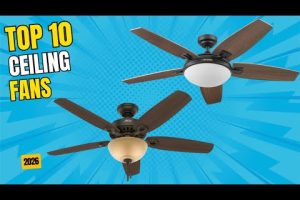
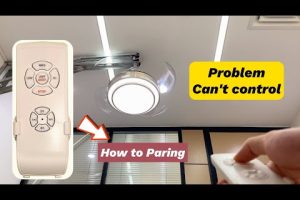
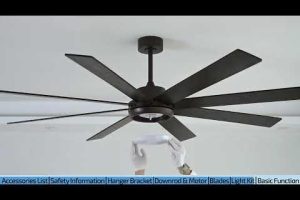
Choosing the right ceiling fan with lights can completely transform the comfort, energy efficiency, and overall ambiance of any room in your home. Whether you are remodeling a living room, upgrading a bedroom, or outfitting a new build, a combined fan-and-light fixture eliminates the need for multiple ceiling devices while delivering both airflow and illumination in a single elegant installation. This guide dives deep into everything you need to know about ceiling fans with lights — from the different mount types and energy ratings to smart home integration and room-specific recommendations that help you make a confident purchasing decision.
What Are Ceiling Fans with Lights?
A ceiling fan with lights is a dual-function fixture that mounts to the ceiling and combines a rotating blade assembly with an integrated lighting system. Unlike standalone fans or pendant lights, these fixtures streamline your overhead setup, save valuable ceiling space, and create a cohesive design statement. Modern versions range from rustic farmhouse styles to sleek contemporary designs, offering blade materials like wood, brushed aluminum, and high-impact polymer to match virtually any interior décor.
What makes these units especially appealing is their year-round utility. During warmer months, the fan circulates cool air and creates a wind-chill effect that allows you to raise your thermostat a few degrees. In colder months, reversing the blade direction pushes warm air down from the ceiling, reducing heating costs. Adding a light source means you get ambient or task illumination without installing a separate fixture overhead.
Types of Ceiling Fans with Lights
Not all ceiling fans with lights are created equal, and understanding the different mount styles and configurations is essential before making a purchase. Each type serves specific room sizes, ceiling heights, and aesthetic preferences.
Flush Mount (Close-to-Ceiling) Fans with Lights
Flush mount models sit tight against the ceiling, making them ideal for rooms with low clearance or standard eight-foot ceilings. Because they do not use a downrod, they minimize the risk of head bumps and maintain a compact footprint. Many flush mount ceiling fans with lights feature modern, minimalist designs with integrated LED panels or frosted glass shades that diffuse light evenly across the room.
Downrod Mount Fans with Lights
Downrod mount fans hang from the ceiling using a metal tube, positioning the blades further below the ceiling surface. This style works best in rooms with higher ceilings — nine feet or more — where the added distance improves airflow circulation. Downrod models with lights often come with larger blade spans (50 to 56 inches) and more powerful motors, making them perfect for living rooms, great rooms, and open-concept spaces where you need substantial air movement and ambient lighting.
Attic Fans with Lights and Hugger Models
For attic offices, bonus rooms, or sloped-ceiling applications, angled mount and low-profile hugger fans with lights provide targeted ventilation and illumination where traditional fixtures cannot fit. These are niche but incredibly useful in home offices converted from attic spaces or cathedral-ceiling bedrooms.
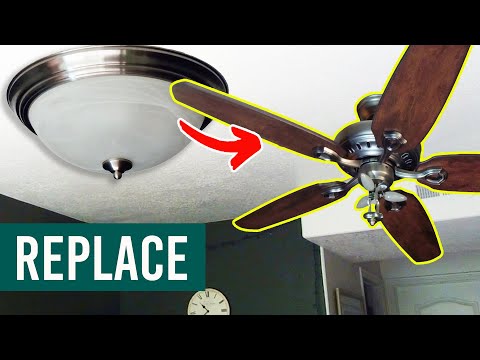
Key Features to Consider When Buying
Shopping for a ceiling fan with lights involves evaluating several technical and design factors that directly impact performance, comfort, and longevity.
- Blade Span: Match the fan size to the room dimensions. A 36-inch blade span works well for small rooms up to 100 square feet, while 52 to 56-inch blades suit rooms up to 400 square feet.
- Motor Type: DC motors are significantly quieter and more energy-efficient than traditional AC motors, often using up to 70% less electricity. If you value whisper-quiet operation and precise speed control, a DC motor should be at the top of your list.
- Light Source: LED-integrated fixtures are the current standard, offering long lifespans (often 50,000 hours or more), low heat output, and dimmability. Avoid older models that use incandescent or CFL bulbs, which waste energy and generate excess heat.
- Dimmability: Look for fans with lights that are compatible with standard dimmer switches or offer remote-controlled dimming. This allows you to adjust brightness for reading, entertaining, or creating a relaxing atmosphere.
- Noise Level: Check the noise rating in sones. A rating of 1.5 sones or lower is nearly silent, which matters for bedrooms and home offices.
- Installation Type: Consider whether you need a retrofit kit for an existing ceiling box or a complete new installation. Some models are designed for easy DIY mounting.
Energy Efficiency and Smart Home Integration
One of the most compelling reasons to invest in a ceiling fan with lights is the potential for significant energy savings. The U.S. Department of Energy estimates that ceiling fans can reduce your cooling costs by up to 40% in summer and help distribute warm air in winter, reducing heating expenses by as much as 10%. When paired with LED lighting, the combined energy footprint of a fan-light fixture remains remarkably low compared to running an air conditioner and a traditional light bulb simultaneously.
Smart ceiling fans with lights represent the cutting edge of home climate control. Models compatible with platforms like Amazon Alexa, Google Home, and Apple HomeKit allow you to adjust fan speed, toggle lights, and set schedules using voice commands or a smartphone app. Some advanced units feature built-in sensors that monitor room temperature and humidity, automatically adjusting fan speed to maintain optimal comfort. This level of automation not only enhances convenience but also contributes to long-term energy savings by preventing unnecessary operation.
Best Room Applications for Fan-Light Combos
Understanding where to place a ceiling fan with lights maximizes the value of your investment. Here is a room-by-room breakdown of ideal applications:

- Living Room: A large downrod mount fan with lights (52-56 inches) provides both air circulation and general illumination for family gatherings and everyday relaxation.
- Master Bedroom: A quiet, low-sone flush mount or close-to-ceiling fan with dimmable LED light creates a serene environment perfect for sleep and reading.
- Kitchen: A ceiling fan with a light kit positioned above the kitchen island or dining area offers task lighting and ventilation, especially in homes without range hoods.
- Dining Room: Choose a fan with a decorative light fixture or chandelier-style design to serve as a focal point while keeping the space comfortable during dinner parties.
- Garage or Workshop: Industrial-style fans with utility lights provide robust airflow and bright illumination for work areas and vehicle parking.
Comparison: Popular Ceiling Fan with Light Categories
| Category | Best For | Blade Span | Motor Type | Avg. Price Range |
| Flush Mount LED | Low ceilings, small rooms | 36-44 inches | AC or DC | $80 – $250 |
| Downrod Mount Modern | Living rooms, great rooms | 50-56 inches | DC preferred | $150 – $500 |
| Rustic / Farmhouse | Dining rooms, cabins | 44-52 inches | AC | $120 – $350 |
| Smart Wi-Fi Enabled | Tech-forward homes | 48-56 inches | DC | $200 – $700 |
Installation Tips and Expert Recommendations
Proper installation is critical for both safety and performance. Always ensure your ceiling box is rated for ceiling fan support — standard light fixture boxes are not designed to handle the dynamic weight and rotational force of a spinning fan. If you are unsure, hire a licensed electrician to install a fan-rated electrical box and verify that the wiring can handle the combined electrical load of the motor and lighting components.
For optimal airflow, install the fan blades at least 7 feet from the floor and at least 18 inches from the nearest wall. If your ceiling is higher than 9 feet, use an extended downrod to bring the blades into the occupied zone where they can effectively circulate air. For rooms with sloped ceilings, a sloped ceiling adapter or angled mount kit ensures the fan hangs level and operates efficiently.
Expert tip: Run the fan counterclockwise during summer and clockwise on low speed during winter to optimize air movement year-round. Additionally, clean the blades and light fixtures regularly — dust buildup on blades reduces aerodynamic efficiency, while grimy light covers dim your illumination output significantly.
Frequently Asked Questions
What is the best ceiling fan with light for a bedroom?
Look for a flush mount or low-profile downrod model with a DC motor rated at 1.5 sones or lower, paired with a dimmable LED light. Fans with remote controls and reversible blades offer the most convenience for bedroom use, allowing you to adjust both airflow and brightness without getting out of bed.
Can I install a ceiling fan with lights in any room?
Most rooms can accommodate a ceiling fan with lights as long as the ceiling is at least 7 feet high and the electrical box is fan-rated. Bathrooms and outdoor areas require fans rated for damp or wet locations, so always check the fixture’s moisture resistance rating before installation.
How much does it cost to run a ceiling fan with lights?
A modern DC motor ceiling fan with an LED light uses as little as 20 to 50 watts on high speed, which translates to roughly $0.01 to $0.03 per hour of continuous operation. Over a month of daily use, costs remain extremely low compared to air conditioning or space heaters.

Do smart ceiling fans with lights save money on energy bills?
Yes, smart ceiling fans with lights can reduce energy costs by automating schedules, adjusting speeds based on room temperature, and integrating with your home’s HVAC system. The remote control and app-based features prevent fans from running unnecessarily, contributing to measurable savings over time.
What size ceiling fan with light do I need for a 20×20 room?
A room measuring 400 square feet typically requires a fan with a blade span of 52 to 56 inches to deliver adequate air circulation. Pair it with a downrod mount for optimal height clearance and consider a model with a light kit rated for the room’s general illumination needs.
Are LED ceiling fans with lights better than those with standard bulbs?
LED-integrated fixtures are superior in nearly every way. They consume significantly less energy, last far longer, produce minimal heat, and are almost always dimmable. Fans that rely on replaceable standard bulbs require ongoing bulb purchases and may not offer the same level of energy savings or design consistency.
Selecting the right ceiling fan with lights is a decision that pays dividends in comfort, style, and energy savings for years to come. By understanding mount types, motor technology, lighting options, and smart features, you can confidently choose a fixture that meets your specific needs while elevating the look and feel of your living space. Prioritize quality construction, energy efficiency, and reliable dimming capabilities, and you will enjoy a perfectly balanced room that stays cool in summer, comfortable in winter, and beautifully lit all year long.