


When it comes to designing or renovating a bathroom, homeowners often focus on faucets, vanities, and tile work while overlooking one of the most impactful elements: the bathroom ceiling light fixture. The right ceiling light does more than simply illuminate a wet room—it sets the mood, enhances safety, highlights architectural details, and can even make a compact space feel significantly larger. Whether you are upgrading an outdated vanity light, replacing a flickering recessed downlight, or planning a complete bathroom remodel from scratch, understanding your ceiling lighting options is essential. In this comprehensive guide, we will walk you through every major fixture type, key buying considerations, installation insights, and expert recommendations that will help you choose the best bathroom ceiling light for your specific needs.
Why Your Bathroom Ceiling Light Fixture Matters More Than You Think
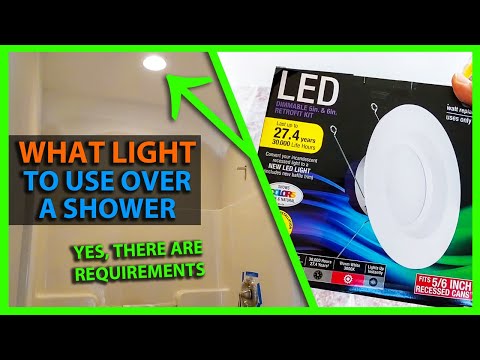
A bathroom is one of the most moisture-prone rooms in any home. Unlike living rooms or bedrooms, this space demands lighting solutions that are engineered to withstand humidity, steam, and occasional water splashes. Beyond durability, the right ceiling fixture directly influences how you see yourself in the mirror, how safely you navigate the room at night, and how welcoming the overall atmosphere feels. A poorly chosen light can cast harsh shadows across your face, create unflattering color temperatures, or even become a safety hazard in a damp environment. Selecting the best bathroom ceiling light fixture means balancing aesthetics, function, and safety in equal measure.
Types of Bathroom Ceiling Light Fixtures
Not all ceiling lights are created equal, and the variety available for bathrooms is surprisingly broad. Each type serves a different purpose, offers a distinct visual character, and suits specific installation scenarios.
Flush Mount Ceiling Lights
Flush mount fixtures sit flat against the ceiling, making them ideal for bathrooms with lower ceilings or compact footprints. These fixtures distribute light evenly across the room without hanging down and occupying valuable vertical space. They are available in countless styles—from sleek modern discs to ornate vintage-inspired domes—and work well as the primary ambient light source in small to medium bathrooms.
Semi-Flush Mount Fixtures
Semi-flush mount lights hang slightly below the ceiling on a short stem or chain, offering a subtle layer of dimension while still preserving headroom. They provide a slightly more dramatic light spread than full flush mounts and are a popular choice for transitional and traditional bathroom designs. If your ceiling height is at least seven feet, a semi-flush mount can add a refined touch without feeling cramped.
Recessed Ceiling Lights
Recessed lights, also known as downlights or can lights, sit inside the ceiling cavity and project a focused beam of light downward. They are a favorite among modern and minimalist bathroom designs because they create a clean, streamlined ceiling line with no visible fixture hardware. Recessed fixtures work exceptionally well for task lighting around mirrors or as supplementary ambient illumination throughout the room. However, they require sufficient ceiling depth for proper housing and must be rated for damp or wet locations depending on proximity to shower zones.

Chandeliers and Pendant Lights for Bathrooms
While traditionally associated with dining rooms and foyers, bathroom chandeliers and pendant lights have surged in popularity for luxury master baths and freestanding tub areas. A crystal or glass chandelier hung above a soaking tub creates a spa-like centerpiece, while a single large pendant can serve as a dramatic focal point over a vanity. The key consideration here is clearances from water sources and ensuring the fixture carries the appropriate moisture rating for its exact position in the bathroom.
Ceiling Fans with Built-In Light Kits
In larger bathrooms or those with high ceilings, a ceiling fan with an integrated light kit offers dual functionality—air circulation and illumination. These fixtures are especially valuable in bathrooms connected to master suites or en suites where ventilation is critical for preventing mold and mildew. Look for models with sealed motor housings and damp-rated light components to ensure long-term reliability in humid conditions.
How to Choose the Right Bathroom Ceiling Light Fixture
Choosing the perfect bathroom ceiling light involves more than picking a style you like. Several technical and practical factors should guide your decision to ensure safety, longevity, and visual satisfaction.
Understanding IP Ratings and Moisture Resistance
IP ratings, or Ingress Protection ratings, indicate how well an electrical fixture resists moisture and dust penetration. For bathroom ceiling lights, this is not optional information—it is a safety requirement.
- IP44 — Splash-proof; suitable for general bathroom zones away from direct water exposure.
- IP65 — Dust-tight and protected against water jets; ideal for areas near showers and bathtubs.
- IP67 and IP68 — Fully waterproof; designed for submerged or heavy-splash environments such as outdoor shower enclosures.
Always verify the IP rating before purchasing any bathroom ceiling light fixture, especially if it will be installed within the shower zone or directly above a bathtub.
Color Temperature and Light Quality
The color temperature of your bathroom ceiling light dramatically affects how your skin and bathroom finishes appear. Cool white light (4000K–5000K) creates a crisp, energizing atmosphere perfect for morning routines, while warm white light (2700K–3000K) produces a softer, more relaxing glow ideal for evening use. For the most flattering and versatile results, many interior designers recommend fixtures with adjustable color temperature or a neutral range around 3500K to 4000K.
Brightness and Lumens
Bathrooms require adequate illumination for grooming tasks like shaving, makeup application, and hair styling. As a general rule, aim for approximately 75 to 100 lumens per square foot of bathroom space. A 100-square-foot bathroom, for example, would benefit from a ceiling fixture producing between 7,500 and 10,000 lumens, potentially supplemented by mirror-mounted sconces or vanity lights for balanced coverage.
Dimming Compatibility
Installing a dimmable bathroom ceiling light fixture gives you the flexibility to adjust brightness for different times of day and moods. Many modern LED fixtures are compatible with standard dimmer switches, but always confirm compatibility between the fixture and your dimmer type to avoid flickering or buzzing.
Comparison of Popular Bathroom Ceiling Light Types
| Fixture Type | Best For | Style Range | Moisture Rating | Installation Complexity |
| Flush Mount | Small to medium bathrooms, low ceilings | Modern, traditional, transitional | IP44+ | Easy |
| Semi-Flush Mount | Medium bathrooms, decorative focal points | Traditional, vintage, transitional | IP44+ | Easy to Moderate |
| Recessed Downlights | Modern, minimalist designs; task lighting | Modern, contemporary | IP65 near showers | Moderate to Complex |
| Chandeliers & Pendants | Luxury bathrooms, freestanding tubs | Traditional, glam, modern | IP65+ required near water | Moderate |
| Ceiling Fan with Light | Large bathrooms, high ceilings | Modern, coastal, rustic | Damp-rated | Moderate |
Expert Installation Tips and Best Practices
Even the most beautiful bathroom ceiling light fixture will underperform or become a safety risk if installed incorrectly. Here are expert recommendations to keep in mind:
- Always turn off the power at the circuit breaker before beginning any electrical work. Use a non-contact voltage tester to confirm the circuit is dead.
- Use an appropriately rated electrical box that is secure and rated for the weight of your chosen fixture. Bathroom ceilings often have thinner drywall, so toggle bolts or fan-rated boxes may be necessary.
- Seal all wire connections with wire nuts and use electrical tape to prevent moisture intrusion into junction points.
- Hire a licensed electrician for any work involving new circuit wiring or grounding upgrades, especially if your bathroom lacks GFCI-protected outlets or proper grounding.
- Position fixtures to minimize shadows on the face. For vanity areas, side-mounted sconces at eye level combined with a ceiling fixture create the most flattering, even illumination for grooming tasks.
- Consider LED technology for energy efficiency, longevity, and reduced heat output—important factors in a confined, humid space like a bathroom.
Common Mistakes Homeowners Make When Selecting Bathroom Ceiling Lights
Avoid these frequent pitfalls to ensure your bathroom lighting project delivers lasting satisfaction:
- Ignoring IP ratings — Using a fixture rated only for dry locations near a shower or bathtub is a serious safety hazard.
- Choosing brightness based on wattage instead of lumens — With LED technology, wattage no longer indicates brightness. Always check the lumen output.
- Matching only one light source — Relying solely on a single ceiling fixture often creates harsh, unflattering overhead shadows. Layered lighting with sconces or strip lights at the mirror produces far superior results.
- Overlooking ceiling height clearance — Hanging fixtures too low in a small bathroom can feel oppressive and create a head-bumping hazard.
- Skipping dimmer switches — A bathroom lighting scheme without dimming capability misses out on versatility and ambiance control.
Final Thoughts on Choosing the Perfect Bathroom Ceiling Light Fixture

The ideal bathroom ceiling light fixture is one that seamlessly blends safety, functionality, and style to complement your unique space. Whether you prefer the clean lines of a recessed LED downlight, the elegant presence of a chandelier above a freestanding tub, or the understated practicality of a flush mount fixture, the key is to match your selection to the room’s dimensions, moisture exposure, and your personal aesthetic vision. Take time to research IP ratings, evaluate lumen output, and consider layered lighting approaches that go beyond a single overhead source. With the right fixture in place, your bathroom will not only look its best but also feel safer, more comfortable, and more enjoyable to use every single day.
Frequently Asked Questions About Bathroom Ceiling Light Fixtures
What is the best ceiling light for a small bathroom?
A flush mount LED fixture with a high IP rating (at least IP44) is the best ceiling light for small bathrooms. These fixtures maximize headroom, provide even ambient illumination, and come in compact designs that fit tight spaces without overwhelming the room. Pairing a flush mount with a dimmer switch allows you to adjust brightness for different times of day.
Can I install a bathroom ceiling light fixture myself?
If you are replacing an existing fixture with a similar type and the electrical box is properly grounded, a confident DIY homeowner can handle the installation. However, if you need to run new wiring, upgrade the electrical box, or install a heavier fixture like a chandelier, hiring a licensed electrician is strongly recommended to ensure safety and code compliance.
What does damp-rated mean for bathroom ceiling lights?
A damp-rated fixture is designed to withstand moderate moisture exposure, such as humidity, condensation, and minor splashes. These lights are suitable for general bathroom areas but should not be installed directly inside shower stalls or bathtubs unless the fixture carries a wet rating (IP65 or higher). Always check the manufacturer’s specifications for the exact moisture rating.
How many lumens do I need for a bathroom ceiling light?
For adequate general illumination, aim for 75 to 100 lumens per square foot of bathroom space. A standard 50-square-foot powder room would need approximately 3,750 to 5,000 lumens, while a larger master bathroom might require 8,000 to 10,000 lumens or more depending on the room size and desired brightness level. Supplementing ceiling lights with mirror sconces helps distribute light more evenly.
Is LED the best light source for bathroom ceiling fixtures?
Yes, LED technology is widely considered the best light source for bathroom ceiling fixtures due to its energy efficiency, long lifespan (often 25,000 to 50,000 hours), low heat output, and availability in multiple color temperatures. LEDs also work seamlessly with dimmer switches and are far more cost-effective over time compared to incandescent or halogen alternatives.