


When it comes to upgrading the lighting in your vehicle, RV, marine vessel, or equipment panel, 194 LED bulbs represent one of the most practical and impactful upgrades you can make. These small, wedge-based bulbs have been a staple in automotive and marine applications for decades, but the shift from traditional incandescent 194 bulbs to their LED counterparts has transformed what homeowners, boaters, and drivers can expect from their lighting systems. If you are researching 194 LED bulbs for a specific project, you have come to the right place. This guide covers everything from technical specifications and compatibility to real-world performance, brand recommendations, and expert buying tips that will help you make the most informed decision.
What Exactly Is a 194 LED Bulb?

A 194 LED bulb is a compact, wedge-based light-emitting diode bulb designed to replace the original incandescent W5W or T1-3/4 bulbs commonly found in vehicles, trailers, and small watercraft. The “194” designation refers to the original bulb base and shape standard established by industry manufacturers decades ago. Unlike the dim, heat-generating filament bulbs they replace, LED versions produce significantly more light while drawing a fraction of the electrical power. The base type is typically a wedge-style pin configuration that pushes and twists into fixture sockets without requiring additional wiring or hardware modifications.
These bulbs are commonly used for dashboard indicator lights, interior dome lights, trunk lighting, cargo area illumination, instrument panel backlighting, and accent lighting in RVs and boats. Because of their small form factor and low wattage, they are ideal for applications where space is limited and aesthetics matter. Understanding what a 194 LED bulb brings to the table is the first step toward making a smart upgrade decision.
Key Specifications and How 194 LED Bulbs Compare to Incandescent
Before purchasing any replacement bulb, it is essential to understand the technical specifications that define performance. The table below outlines a direct comparison between a traditional 194 incandescent bulb and a typical 194 LED equivalent.
| Specification | 194 Incandescent | 194 LED Equivalent |
| Base Type | W5W Wedge | W5W Wedge |
| Typical Wattage | 2.5W – 5W | 0.5W – 1.5W |
| Lumens Output | 30 – 50 lm | 80 – 200 lm |
| Color Temperature Options | 2700K (Warm Yellow) | 3000K – 6500K |
| Lifespan | 1,000 – 2,000 hours | 25,000 – 50,000 hours |
| Voltage | 12V DC (standard) | 12V DC (standard) |
| Heat Output | High | Low |
| Response Time | Instant (slight delay) | Instant (microseconds) |
| Shock/Vibration Resistance | Poor | Excellent |
The most striking difference lies in lumens per watt efficiency. A standard 194 LED bulb delivers roughly three to four times the brightness of its incandescent predecessor while consuming less than one-third of the power. This efficiency gain translates directly into reduced strain on your vehicle’s electrical system and longer bulb life, meaning fewer replacements over the years.
Why Color Temperature Matters
One detail many buyers overlook is color temperature, measured in Kelvin (K). 194 LED bulbs are available across a wide range, from warm white (3000K) that mimics the cozy glow of original incandescent bulbs, to cool white (5000K) and daylight (6500K) options that provide a modern, crisp aesthetic. If you are restoring a classic vehicle, warm white is often preferred for authenticity. For modern dashboards or marine instrument panels, cool white or daylight LEDs improve readability and reduce eye strain during nighttime use.
Common Applications for 194 LED Bulbs
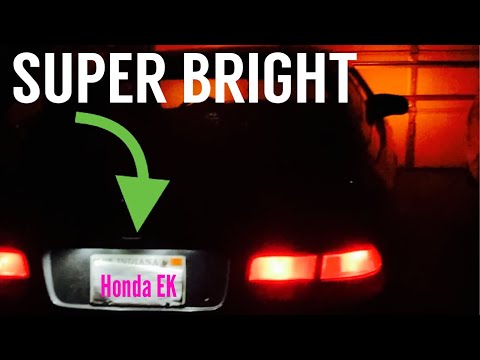
The versatility of 194 LED bulbs means they are deployed across a surprising range of environments. Here are the most common use cases where these bulbs shine:
- Automotive Dashboard Indicators: Replacing dim or flickering turn signal and warning lights on the instrument cluster for immediate visibility.
- Interior Dome and Map Lights: Upgrading cabin lighting in cars, SUVs, and trucks to brighter, more energy-efficient LEDs.
- Marine Vessel Lighting: Used in boats and yachts for below-deck cabins, galley areas, and navigation accent lights where moisture resistance matters.
- RV and Camper Interiors: Ideal for small-space lighting in travel trailers and motorhomes, where low power draw is critical when running on battery or generator power.
- Equipment and Machinery Panels: Industrial control panels and handheld equipment benefit from the compact size and durability of 194 LED bulbs.
- Cargo and Trunk Lighting: Replacing under-dash or trunk light bulbs with LEDs provides cleaner light and reduces the frequency of bulb burnouts.
Benefits of Upgrading to 194 LED Bulbs
The decision to switch from incandescent to LED is driven by several compelling advantages that go beyond simple brightness improvements. Understanding these benefits helps justify the relatively modest cost of an upgrade.
- Dramatically Longer Lifespan: With an operational life of 25,000 hours or more, a quality 194 LED bulb can last the entire lifetime of a vehicle or vessel. This eliminates the frustration of frequent burnouts in hard-to-reach fixtures.
- Energy Efficiency: LEDs draw as little as 0.5 watts compared to 3–5 watts for incandescent bulbs. In a marine or off-grid RV setting, every watt saved extends battery life and reduces charging demands.
- Instant Full Brightness: Unlike some LED products that require a warm-up period, quality 194 LED bulbs reach full output instantly, which is critical for safety-related dashboard indicators.
- Reduced Heat Output: Less heat generation means less thermal stress on fixture housings, wiring insulation, and surrounding plastics, reducing the risk of degradation over time.
- Improved Visibility and Safety: Brighter, whiter light improves the speed at which drivers and operators can read gauges, indicators, and warning lights, particularly in low-light conditions.
How to Choose the Right 194 LED Bulb
Not all LED bulbs are created equal, and navigating the marketplace can be overwhelming. Use these practical guidelines to narrow your options and select the best product for your application.
1. Check Compatibility With Your Socket and Fixture
While 194 bulbs share a standard W5W wedge base, some fixtures have tight tolerances or unique housing designs. Before ordering, remove the existing bulb and measure the base and bulb length to confirm compatibility. Some LED bulbs are slightly longer or shorter than their incandescent counterparts, which can affect fit in recessed or tightly enclosed fixtures.
2. Consider Brightness Needs (Lumens)
For dashboard indicators, a lower lumen output (around 80–120 lm) is usually sufficient and prevents glare. For interior dome or cargo lighting, higher-output bulbs (150–200 lm) provide better illumination across a wider area.
3. Evaluate Build Quality and IP Rating
If you are installing bulbs in a marine or outdoor environment, look for bulbs with an IP65 or higher ingress protection rating. This ensures resistance to water, dust, and vibration. For indoor automotive applications, standard build quality is typically adequate.
4. Pay Attention to Polarity and CAN-Bus Compatibility
Some modern vehicles use CAN-Bus systems that monitor bulb status. Cheap 194 LED bulbs without built-in resistors can trigger error messages or hyperflashing in turn signal circuits. Look for bulbs specifically labeled as CAN-Bus compatible or those that include integrated resistors to prevent these issues.
Top Brands and Recommendations
When investing in 194 LED bulbs, brand reputation and build quality matter. Several manufacturers have established strong track records in the automotive LED lighting space. Look for products from brands that offer warranties, consistent lumen output ratings, and positive user reviews from verified purchasers. Products with SMD 2835 or 3014 LED chips tend to offer excellent brightness-to-size ratios, while higher-end models using SMD 5050 chips deliver maximum output for applications that demand it.
Always read reviews carefully for real-world feedback on color accuracy, flicker-free operation, and longevity. A bulb that looks great on paper but receives complaints about premature failure is not worth the savings.
Installation Tips and Expert Advice
Installing 194 LED bulbs is straightforward for most applications, but a few tips can save time and prevent headaches:
- Always disconnect the power source before replacing any bulb to avoid short circuits or electrical damage.
- Note the bulb orientation. Some LED bulbs are directional and will only work correctly when inserted with the correct polarity. If a bulb does not light up, try reversing it in the socket.
- Clean the fixture housing before installation. Dust and debris can trap heat and reduce bulb longevity, even though LEDs run cool.
- Test all functions after installation, including turn signals, brake lights, and dashboard indicators, to confirm proper operation.
Frequently Asked Questions About 194 LED Bulbs
1. Can I replace any 194 incandescent bulb with a 194 LED bulb?
In the vast majority of cases, yes. Because 194 LED bulbs use the same W5W wedge base and operate at 12V DC, they are direct replacements for standard 194 incandescent bulbs. The only exception is when a fixture is specifically designed to match the electrical characteristics of an incandescent bulb, such as certain older dimmer circuits or specialized CAN-Bus systems without resistor support. Always verify compatibility before purchasing.
2. Will 194 LED bulbs cause hyperflashing in my turn signals?
This is one of the most common concerns when switching to LED bulbs in automotive applications. Because LEDs draw significantly less current than incandescent bulbs, older flasher units designed for higher-wattage bulbs may interpret the reduced draw as a burned-out bulb, resulting in rapid or hyperflashing. The solution is to install LED-compatible flasher relays or choose 194 LED bulbs that include built-in resistors to simulate the correct current draw.
3. How bright are 194 LED bulbs compared to traditional bulbs?
A standard 194 LED bulb produces approximately 80 to 200 lumens, which is roughly three to four times brighter than a comparable incandescent 194 bulb outputting 30 to 50 lumens. The exact brightness depends on the LED chip type, driver quality, and bulb design. Higher-quality bulbs with SMD 5050 or COB LED arrays deliver the brightest output in this form factor.
4. Do 194 LED bulbs get hot during extended use?

LED bulbs generate significantly less heat than incandescent alternatives, but they are not completely heat-free. The LED chip itself produces some thermal output, which is why quality 194 LED bulbs include small heat sinks or thermal pads in their design. In enclosed fixtures, this residual heat can accumulate, so it is best to choose bulbs with adequate thermal management for applications where airflow is limited.
5. What is the typical lifespan of a 194 LED bulb?
Most reputable 194 LED bulbs are rated for 25,000 to 50,000 hours of operation, which translates to roughly 10 to 20 years of typical automotive or marine use. This is a dramatic improvement over the 1,000 to 2,000-hour lifespan of traditional incandescent bulbs, making LEDs a cost-effective long-term investment despite their slightly higher upfront price.
6. Are there color options available for 194 LED bulbs?
Yes, 194 LED bulbs are available in a wide spectrum of colors including warm white, cool white, daylight white, red, amber, blue, green, and even RGB (color-changing) variants. For standard automotive applications, warm white and cool white are the most popular choices. Amber and red options are commonly used for turn signals and warning indicators where color consistency is required by vehicle regulations.
Final Thoughts
The transition from incandescent to 194 LED bulbs is one of the simplest and most rewarding upgrades you can make to any vehicle, boat, or equipment panel. The combination of superior brightness, exceptional longevity, minimal power draw, and modern aesthetic appeal makes LED technology the clear choice for anyone still relying on outdated filament bulbs. Whether you are restoring a classic car, outfitting a marine vessel, or simply improving the lighting inside your daily driver, selecting the right 194 LED bulb delivers immediate and long-lasting results. Take the time to evaluate your specific application needs, choose a reputable brand with solid user feedback, and enjoy the difference that quality LED lighting makes.