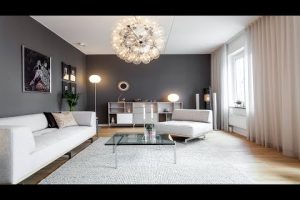
When most homeowners and interior designers talk about cool light fixtures, they aren’t just referring to a temperature rating. They’re describing lighting solutions that blend cutting-edge technology, striking aesthetics, and functional brilliance into a single statement piece. Whether you’re renovating a modern apartment, designing a commercial storefront, or simply upgrading a dim hallway, the right cool light fixture can transform an entire space. This guide dives deep into everything you need to know—from the best types of cool light fixtures available today to practical installation tips and expert-backed recommendations that help you make informed decisions. If you’ve been searching for ways to elevate your home’s lighting game, you’re in the right place.
What Are Cool Light Fixtures?
The term “cool light fixtures” encompasses a broad category of lighting solutions characterized by sleek designs, advanced LED technology, and modern aesthetics that appeal to contemporary tastes. Unlike traditional incandescent or fluorescent fixtures that often carry bulky designs and warm, yellowish tones, cool light fixtures prioritize clean lines, minimalist silhouettes, and efficient illumination. These fixtures range from architectural pendants and geometric chandeliers to programmable LED panels and smart-enabled track systems. What ties them together is their ability to deliver bright, crisp light—often with color temperatures between 3000K and 5000K—while serving as visual focal points in any room. Understanding what makes a light fixture “cool” goes beyond appearance; it involves evaluating lumen output, energy consumption, smart-home compatibility, and how the fixture interacts with your existing interior design scheme.
Types of Cool Light Fixtures You Should Consider

Pendant Lights with LED Technology
Pendant lights remain one of the most popular choices among homeowners looking to install cool light fixtures in kitchens, dining rooms, and open-plan living areas. Modern LED pendants come in an extraordinary range of shapes—from spherical globe designs to elongated linear bars—and are available in finishes like brushed nickel, matte black, and frosted glass. The real advantage of LED-powered pendants is their low heat emission combined with high luminous efficacy. Many models now feature dimmable drivers and tunable white technology, allowing you to shift between cool task lighting and warm ambient glow with a simple switch or app command. When selecting a pendant, always check the IP rating if you’re installing it near moisture-prone areas like kitchen islands or bathroom vanities.
LED Strip Light Fixtures
LED strip fixtures represent one of the most versatile cool light fixture categories on the market today. These flexible or rigid strips can be installed behind kitchen cabinetry, along crown molding, beneath floating shelves, or even inside custom furniture pieces. The result is a subtle yet powerful ambient glow that instantly modernizes a room. Advanced LED strip systems now offer individual color control per zone, music synchronization features, and compatibility with Amazon Alexa, Google Home, and Apple HomeKit ecosystems. For those building a home theater or a gaming room, RGBIC (Red Green Blue Independent Control) strip fixtures provide stunning color separation effects that traditional single-color strips simply cannot match.
Modern Chandeliers with Integrated LED Modules
Chandeliers have evolved dramatically from their ornate crystal-and-wire predecessors. Today’s cool light fixture chandeliers integrate modular LED panels, brushed aluminum frames, and even 3D-printed geometric structures that look like contemporary art installations. Brands like Apparatus Studio, Visual Comfort, and Tech Lighting have pushed the boundaries by creating statement pieces that serve dual purposes: they provide ambient room lighting and act as architectural art. When shopping for a modern chandelier, pay close attention to the total integrated wattage and whether the fixture supports dimming, as these factors determine both energy consumption and long-term value.
Track Lighting and Recessed Cool Fixtures
Track lighting systems and recessed downlights are ideal for those who want cool light fixtures that disappear into the architecture rather than demand attention. Adjustable track heads allow you to direct light precisely where it’s needed—whether that’s an artwork on the wall or a kitchen prep area. Recessed LED fixtures with deep canopy designs and frosted lenses minimize glare and create an even, flattering wash of light across ceilings. These fixtures are especially popular in retail environments, galleries, and commercial offices where consistent, shadow-free illumination is critical for productivity and visual comfort.
How to Choose the Right Cool Light Fixtures for Your Space
Matching Fixtures to Room Size and Ceiling Height

One of the most overlooked aspects of selecting cool light fixtures is ensuring the scale matches the room. A large, multi-arm chandelier in a small bedroom will feel overwhelming, while a tiny flush mount in a spacious loft will look lost. As a general rule, add the room’s length and width in feet and convert that sum to inches for the ideal fixture diameter. For example, a 12-by-14-foot room calls for a fixture roughly 26 inches wide. Ceiling height matters equally—vaulted or cathedral ceilings can support oversized statement pieces, while standard 8-foot ceilings work best with semi-flush or flush-mount designs that maintain adequate head clearance.
Understanding Color Temperature and Its Impact on Mood
Color temperature is measured in Kelvins (K) and directly affects how a room feels. Cool light fixtures in the 4000K to 5000K range produce a crisp, bluish-white light that promotes alertness and concentration—making them excellent choices for home offices, garages, and study rooms. Fixtures in the 3000K to 3500K range offer a neutral white that works beautifully in living rooms and kitchens where you want clarity without sterility. Below 3000K, the light shifts warm, which some homeowners prefer for bedrooms and dining areas despite the “cool” label referring to design style rather than temperature.
Benefits of Upgrading to Cool Light Fixtures
Energy Efficiency and Long-Term Cost Savings
The energy savings offered by cool light fixtures with LED technology are substantial and well-documented. LED fixtures consume up to 75% less energy than traditional incandescent bulbs and last 15 to 25 times longer, which means fewer replacements and reduced maintenance costs over time. For a typical household that spends around $100 to $200 per year on lighting, switching to LED cool fixtures can cut that number significantly. Many modern cool fixtures also carry ENERGY STAR certification, qualifying homeowners for utility rebates and tax incentives in various regions.
Design Versatility and Aesthetic Appeal
Cool light fixtures bring a level of design sophistication that older lighting technologies simply cannot achieve. The slim profiles, slim bezels, and customizable color options allow these fixtures to integrate seamlessly into virtually any interior style—from Scandinavian minimalism and mid-century modern to industrial loft and contemporary farmhouse. Many manufacturers now offer interchangeable shade options and modular components, so you can refresh your room’s look without replacing the entire fixture.
Comparison Table: Traditional vs. Cool Light Fixtures
| Feature | Traditional Fixtures | Cool Light Fixtures |
| Technology | Incandescent, fluorescent, halogen | LED, smart LED, OLED |
| Energy Consumption | High (60–100W typical) | Low (5–20W typical) |
| Lifespan | 1,000–10,000 hours | 25,000–50,000 hours |
| Design Styles | Classic, traditional, ornate | Modern, minimalist, geometric |
| Smart Home Compatibility | Limited or none | Wide range, often built-in |
| Heat Output | High | Low to negligible |
| Initial Cost | Lower upfront | Moderate to high upfront |
| Long-Term Value | Lower due to replacements | Higher due to durability |
Expert Tips for Installing and Maintaining Cool Light Fixtures
Proper installation is the foundation of any great lighting setup, and cool light fixtures demand careful attention to wiring, support structures, and placement logic. Always turn off the circuit breaker before beginning any electrical work, and use a voltage tester to confirm the power is completely off. For heavy fixtures like large pendants or modern chandeliers, mount a ceiling fan brace box or use a fan-rated electrical box rated for the fixture’s weight. When installing LED strip fixtures, ensure the surface is clean and dry before adhesion—paint dust or moisture will cause the strip to detach over time. For maintenance, dust fixtures regularly with a microfiber cloth, and for glass or crystal elements, use a gentle glass cleaner to preserve clarity. Periodically check dimmer switches and smart hubs for firmware updates, as these ensure your cool light fixtures operate at peak efficiency and compatibility.
One of the most valuable expert tips is to invest in fixtures with replaceable LED drivers rather than sealed units. If a driver fails, you can swap it out instead of replacing the entire fixture, saving both money and effort. Additionally, consider purchasing fixtures with a color rendering index (CRI) of 90 or above—this ensures that colors in your room appear natural and vibrant under the light, which is especially important in kitchens, dressing rooms, and art studios.
Frequently Asked Questions
What does “cool light fixture” mean in lighting terminology?
In lighting terminology, “cool light fixture” refers to fixtures with a modern, sleek aesthetic and typically higher color temperatures (4000K–5000K) that produce a crisp, blue-white illumination. It does not refer to the physical temperature of the fixture, though LED-based cool fixtures do run significantly cooler than traditional incandescent options.
Are cool light fixtures better for eye strain than warm fixtures?
Cool light fixtures in the 4000K range can reduce eye strain during tasks that require focus, such as reading, cooking, or working at a desk. The brighter, more neutral light helps maintain alertness. However, for extended relaxation in living spaces, a warmer temperature between 2700K and 3000K is generally more comfortable for the eyes.
Can I install cool light fixtures in outdoor spaces?
Yes, many cool light fixtures are designed for outdoor use, but you must verify the IP (Ingress Protection) rating. Fixtures rated IP44 or higher are suitable for covered outdoor areas, while IP65 or IP67-rated fixtures can withstand direct exposure to rain and water. Always confirm the manufacturer’s installation guidelines before mounting cool fixtures outdoors.
How do smart cool light fixtures work with home automation systems?
Smart cool light fixtures connect to your home Wi-Fi network or a dedicated hub like Zigbee or Z-Wave. Through companion apps or voice assistants like Alexa, Google Assistant, or Siri, you can adjust brightness, change color temperatures, set schedules, and create automation scenes. Many systems also integrate with platforms like Samsung SmartThings or Apple HomeKit for seamless control across all connected devices.
What is the average cost of upgrading to cool light fixtures?
Costs vary widely depending on the fixture type and brand. A single LED pendant cool fixture typically ranges from $80 to $300, while sophisticated track systems or designer modern chandeliers can run $500 to $2,000 or more per unit. LED strip systems start as low as $20 for basic kits but can reach $100–$200 for advanced RGBIC setups with smart controls. Installation costs add another $50 to $200 per fixture if you hire a licensed electrician.
Final Thoughts on Choosing Cool Light Fixtures
Selecting the right cool light fixtures is about balancing form, function, and future-proofing. The lighting industry has shifted decisively toward LED technology, and modern fixtures now offer levels of customization—dimming, color tuning, and smart integration—that were unthinkable just a decade ago. Whether you’re outfitting a single room or redesigning an entire property, prioritize fixtures with high CRI ratings, appropriate IP certifications for the space, and designs that complement your interior architecture. Take your time planning the layout, layer your lighting with a mix of ambient, task, and accent sources, and don’t be afraid to mix fixture styles within a cohesive color palette. The best cool light fixtures don’t just illuminate a room—they define it.