


Choosing the best grow bulb for weed cultivation can make or break your entire indoor garden. Whether you are a first-time grower setting up a small closet space or an experienced cultivator scaling up to a full grow room, selecting the right lighting solution is one of the most critical decisions you will make. Cannabis plants are highly responsive to light intensity, spectrum, and photoperiod, meaning the bulb you choose directly influences every phase of growth from sprouting to harvest. In this comprehensive guide, we will break down the top-performing grow bulbs for cannabis, compare their strengths and weaknesses, and give you actionable recommendations backed by real-world growing experience.

Understanding Grow Lights for Cannabis Cultivation
Before diving into specific products, it helps to understand what cannabis plants actually need from their light source. During the vegetative stage, plants thrive under blue-dominant light spectrums that promote leafy, bushy growth. When the light cycle shifts to 12 hours on and 12 hours off, plants enter the flowering stage and respond best to red and orange spectrums that trigger bud development. The best grow bulb for weed will deliver a full or tunable spectrum that covers both phases effectively.
Why the Right Bulb Matters for Cannabis Growth
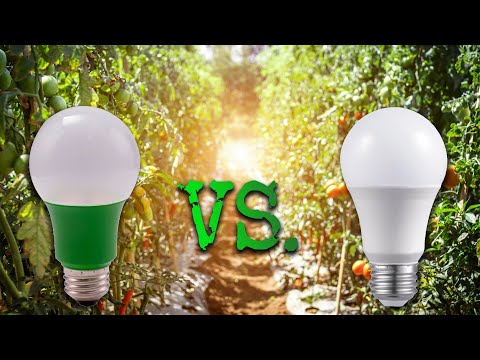
Not all grow bulbs are created equal, and using an incompatible light source can lead to stretching, hermaphroditism, light burn, or disappointing yields. Factors such as wattage, PAR (Photosynthetically Active Radiation) output, heat dissipation, and coverage area all play significant roles. A bulb that is too weak will result in leggy, underdeveloped plants, while one that is too intense can bleach and damage dense colas during peak flowering. Understanding these dynamics puts you in a much stronger position when comparing options.
Best Grow Bulbs for Cannabis: Top Picks
1. Full-Spectrum LED Grow Bulbs
Full-spectrum LED grow bulbs have become the undisputed favorite among modern cannabis cultivators. These bulbs mimic natural sunlight by combining multiple diode types that emit across the blue, red, white, and sometimes UV/IR spectrums. They are energy-efficient, run cool, and can last for 50,000 hours or more without significant lumen degradation.

Top considerations when choosing an LED grow bulb include:
- Wattage output appropriate for your tent or room size
- Chip quality (Samsung LM301B, LM301H, and Osram are industry benchmarks)
- Dimmability for adjusting light intensity during different growth phases
- Built-in cooling fans or passive heat sinks
- Warranty and manufacturer reputation
Leading brands in this category include Spider Farmer, Mars Hydro, and HLG (Horticulture Lighting Group), all of which produce bulbs and fixtures that deliver excellent canopy penetration and consistent PAR values across the entire footprint.
2. High-Pressure Sodium (HPS) Grow Bulbs
HPS bulbs have been the workhorse of indoor cannabis cultivation for decades. These bulbs emit a warm, orange-red spectrum that is ideal for the flowering stage. Many seasoned growers still swear by HPS for their dense bud production and reliable performance. The most common wattages for cannabis are 250W, 400W, and 600W, with 600W being the sweet spot for most indoor setups.
Advantages of HPS bulbs include:
- Proven track record in commercial cannabis grows worldwide
- High light intensity that drives heavy flowering
- Lower upfront cost compared to premium LED alternatives
- Widely available replacement bulbs and compatible ballasts
The main drawbacks are significant heat output, high electricity consumption, and the need for a separate MH bulb if you want blue spectrum light for the vegetative phase. Many growers use a switchable digital ballast to alternate between MH and HPS as plants transition through their lifecycle.
3. Compact Fluorescent Lights (CFL)
CFL bulbs are an affordable entry point for beginners who want to grow a small number of cannabis plants. They are widely available, produce minimal heat, and consume very little electricity. CFLs work well for clone racks, early vegetative growth, and supplemental lighting in small spaces.
However, CFLs have significant limitations for serious cannabis cultivation:
- Lower light intensity means they are best suited for short plants and small spaces
- You need to position them very close to the canopy for effective penetration
- They are not ideal for dense flowering setups where canopy depth matters
- Yield potential is substantially lower compared to LED or HPS alternatives
If you are growing only one or two plants in a confined area like a wardrobe grow tent, CFLs can still produce respectable results. But for anything beyond a small personal grow, they will leave significant yield on the table.
Grow Bulb Comparison for Cannabis Cultivation
| Bulb Type | Best For | Wattage Range | Spectrum | Lifespan | Efficiency |
| Full-Spectrum LED | All growth stages, energy-conscious growers | 30W – 300W per bulb | Tunable full spectrum | 50,000+ hours | Very High |
| HPS | Flowering stage, high-yield setups | 250W – 1000W | Warm red/orange | 10,000 – 24,000 hours | Moderate |
| MH (Metal Halide) | Vegetative stage | 250W – 600W | Cool blue/white | 10,000 – 15,000 hours | Moderate |
| CFL | Small-scale, beginner grows | 13W – 100W | Available in warm/cool | 8,000 – 15,000 hours | Low |
| CMH/LEC | Full cycle with natural spectrum | 315W – 630W | Full spectrum ceramic | 10,000 – 20,000 hours | High |
How to Choose the Best Grow Bulb for Your Cannabis Setup
The ideal grow bulb depends on several factors unique to your growing environment. Start by measuring your available space in square feet, as this directly determines the wattage you need. A general rule of thumb for LED is 32 watts per square foot of canopy, while HPS requires roughly 40 to 50 watts per square foot. If you are growing in a tent with limited ventilation, LED bulbs are the clear winner because they produce far less ambient heat than HPS or MH alternatives.
Next, consider your budget. While premium LED fixtures carry a higher upfront cost, their energy savings and longer lifespan typically pay for themselves within one to two grow cycles. If you are on a tight budget and growing just a few plants, CFL bulbs or a used HPS setup can be a practical starting point without sacrificing too much performance.
Also think about the spectral quality of the light. Research consistently shows that a balanced full spectrum with adequate blue light during vegetation and elevated red light during flowering produces the best results in terms of both cannabinoid production and terpene expression. Bulbs that claim a “blurple” or purple-dominant spectrum may look impressive, but they often underdeliver on the white-light wavelengths that plants also use efficiently for photosynthesis.
Expert Tips for Maximizing Yield with Your Grow Bulb
Even the best grow bulb for weed will underperform if it is not deployed correctly. Here are expert-level tips that separate average growers from exceptional ones:
- Optimize hanging height: Keep LED fixtures 18 to 24 inches above the canopy during flowering, and adjust HPS lights to 12 to 18 inches depending on wattage. Too far away wastes intensity; too close risks photobleaching.
- Use a light mover: A rotating light mover can increase your effective coverage area by up to 30%, reducing hot spots and ensuring even light distribution across the canopy.
- Implement light scheduling software: Automating your photoperiod with programmable timers or smart controllers eliminates human error and ensures consistent light cycles every day.
- Monitor PPFD levels: Cannabis plants in the flowering stage benefit from PPFD values between 600 and 900 µmol/m²/s. Using a quantum sensor helps you fine-tune your bulb placement for optimal light saturation without waste.
- Clean your bulbs regularly: Dust accumulation on LED chips or HPS reflectors can reduce light output by 10 to 15 percent. A simple wipe-down every two weeks keeps your fixture performing at peak efficiency.
Frequently Asked Questions About Grow Bulbs for Cannabis
What is the best grow bulb for growing weed in a small closet?
For a small closet setup, a high-quality full-spectrum LED grow bulb in the 60W to 120W range is the best option. LED bulbs produce minimal heat, which is crucial in enclosed spaces with limited airflow. Look for a bulb with a built-in dimmer so you can adjust intensity as your plants progress from the vegetative stage into flowering. A model featuring Samsung LM301B diodes and a reliable driver will deliver excellent results in a compact footprint.
Can I use a regular household bulb to grow cannabis?
While a standard household incandescent or even a regular LED bulb will keep a cannabis plant alive, it will not provide sufficient light intensity or the correct spectrum for healthy flowering and dense bud production. Regular bulbs lack the Photosynthetically Active Radiation (PAR) output and spectral tuning that cannabis requires. You will get stretchy, underdeveloped plants with very low yields. Investing in a purpose-built grow bulb is strongly recommended for any serious cultivation effort.
How many watts do I need per cannabis plant?
A good benchmark is 30 to 50 watts of actual power draw per plant, depending on the strain and the stage of growth. Sativa-dominant strains that stretch tall may benefit from slightly higher wattage to ensure light penetration into the upper canopy. Indica varieties are more compact and can thrive with less wattage per plant. The key metric is not just the bulb wattage but the actual PAR and PPFD delivered to the canopy surface.
Should I switch bulbs between vegetative and flowering stages?
If you are using an HPS or MH setup, switching between a Metal Halide bulb for vegetation and a High-Pressure Sodium bulb for flowering is the traditional approach and produces excellent results. With modern full-spectrum LED bulbs, a single fixture covers both phases effectively because the spectrum is already balanced for all growth stages. However, if your LED bulb is dimmable, reducing intensity slightly during the vegetative phase and increasing it during flowering can optimize results.
What is the lifespan of the best grow bulbs for cannabis?
LED grow bulbs typically last between 50,000 and 100,000 hours before lumen output drops below useful levels for cannabis cultivation, which translates to roughly 10 to 15 grow cycles. HPS bulbs degrade more quickly, usually lasting 10,000 to 24,000 hours depending on quality and usage patterns. CFL bulbs tend to last around 8,000 to 15,000 hours. Regardless of bulb type, replacing your light source every few grow cycles ensures you maintain peak light intensity and spectral consistency throughout each cultivation cycle.
Conclusion
Selecting the best grow bulb for weed cultivation comes down to matching your specific growing environment, budget, and experience level to the right technology. Full-spectrum LED bulbs represent the best all-around choice for most cultivators today, offering unmatched energy efficiency, adjustable spectrum, and years of reliable service. HPS bulbs remain a strong option for growers prioritizing maximum flower density and who can manage the additional heat and electricity costs. CFLs serve a niche role for micro-grows and beginners testing the waters. By understanding the strengths and limitations of each bulb type, and by following the expert tips outlined in this guide, you will be well-equipped to build a lighting setup that maximizes your cannabis yields and produces high-quality harvests season after season.