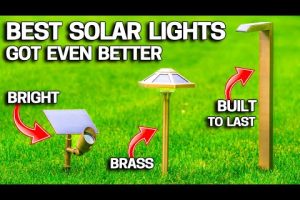
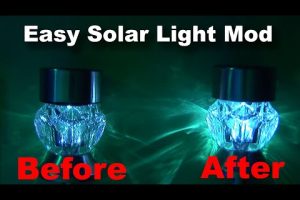
Hanging solar bulb lights have emerged as one of the most popular outdoor lighting solutions for homeowners, gardeners, and event planners looking for an effortless way to illuminate their spaces without increasing electricity bills. These solar-powered fixtures combine the warm glow of traditional bulb designs with the convenience of renewable solar energy, making them an ideal choice for patios, gardens, pathways, and backyard gatherings. Whether you are a complete beginner exploring solar lighting for the first time or an experienced homeowner searching for the perfect ambient setup, this comprehensive guide covers everything you need to know about hanging solar bulb lights, from how they work to expert installation tips and product comparisons.
What Are Hanging Solar Bulb Lights?

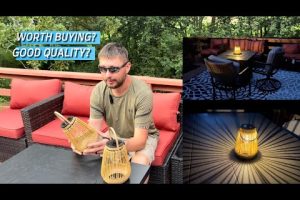
Hanging solar bulb lights are decorative outdoor fixtures that capture sunlight during the day using built-in photovoltaic panels and convert it into stored electrical energy. This energy powers LED bulbs encased in realistic globe or filament-style casings, producing a warm, inviting glow once darkness falls. Unlike traditional string lights that require wall outlets or extension cords, these solar-powered hanging bulbs operate entirely off the grid, making them a sustainable and cost-effective alternative for illuminating outdoor spaces.
These lights typically come in two main configurations: standalone solar lantern-style bulbs with integrated panels and solar string lights with bulbs suspended from a cable. The standalone variety often features a hook or hanging loop at the top, allowing you to mount them on hooks, branches, pergolas, or gazebos. The string light versions connect multiple solar bulbs along a single wire, offering a more dramatic and widespread lighting effect across larger areas.
How Hanging Solar Bulb Lights Work
Understanding the technology behind hanging solar bulb lights helps you make informed purchasing decisions and troubleshoot performance issues. Here is a simplified breakdown of how these fixtures operate.
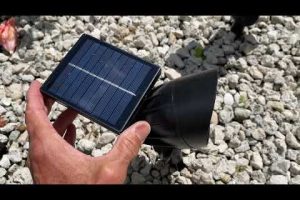
- Solar Panel Energy Absorption: A small photovoltaic cell, usually mounted on top of the bulb or along the string cable, absorbs sunlight throughout the day. These panels convert ultraviolet and visible light into direct current (DC) electricity.
- Energy Storage in Rechargeable Batteries: The captured energy is stored in built-in rechargeable batteries, typically nickel-metal hydride (NiMH) or lithium-ion cells. These batteries hold the charge for nighttime use, with capacity varying by model.
- Automatic Light Activation: An integrated photosensor detects the drop in ambient light during the evening and automatically switches the bulbs on. This means zero manual intervention is required.
- LED Illumination: The stored energy powers high-efficiency LEDs that produce bright, warm light for an average of 8 to 12 hours per full charge, depending on the model and battery capacity.
Key Benefits of Hanging Solar Bulb Lights
There are numerous reasons why hanging solar bulb lights have become a go-to choice for outdoor lighting. Here are the most compelling advantages.
- Zero Electricity Costs: Since they run entirely on solar power, these lights do not add a single penny to your monthly utility bill, making them incredibly economical over time.
- Eco-Friendly Operation: Solar lighting reduces your carbon footprint by relying on clean, renewable energy rather than fossil fuel-generated electricity.
- Easy Installation: Most hanging solar bulbs come with pre-attached hooks or clips. You simply hang them up and let the sun do the rest. No wiring, no electrician, no permits.
- Weather Resistance: Quality solar hanging bulbs are designed with IP44 or IP65 waterproof ratings, meaning they withstand rain, snow, and humidity without damage.
- Ambient Aesthetic Appeal: The soft, warm glow of solar bulb lights creates a cozy, inviting atmosphere perfect for evening gatherings, dinner parties, or quiet nights on the patio.
- Versatile Placement: Because they are cordless and battery-powered, you can hang them virtually anywhere there is adequate sunlight exposure during the day.
Popular Types and Styles of Solar Hanging Bulbs
The market offers a surprising variety of hanging solar bulb designs, each suited to different aesthetic preferences and functional needs.
Globe Solar Hanging Lights
These feature spherical glass or plastic covers that diffuse light evenly in all directions. Globe-style solar bulbs are perfect for creating a uniform warm glow across a patio or seating area. They are available in sizes ranging from 3 inches to 12 inches in diameter.
Filament Edison-Style Solar Bulbs
For a rustic or vintage look, filament-style hanging solar bulbs replicate the appearance of traditional incandescent Edison bulbs with visible glowing filaments. These are increasingly popular for boho-style outdoor decor and cottage garden settings.
Solar Lantern String Lights

These combine multiple solar bulbs along a single string, often with varying heights or mixed bulb shapes. They are ideal for lining walkways, wrapping around trees, or draping across outdoor dining areas.
Mason Jar and Lantern-Style Solar Lights
Designed to mimic classic mason jar lanterns, these hanging solar bulbs feature a transparent or frosted glass housing that provides a charming, nostalgic glow suitable for farmhouse and cottage aesthetics.
Best Places to Hang Solar Bulb Lights
Placement plays a critical role in how effectively your hanging solar bulb lights charge during the day and illuminate at night. Consider these high-impact locations.
- Patio and Deck Overhead Structures: Mount them on pergola beams, umbrella stands, or overhead crossbeams to create a warm ambient ceiling of light for outdoor dining.
- Garden Trees and Shrubs: Hanging solar bulbs from tree branches instantly transforms your backyard into a magical evening retreat.
- Gazebos and Pavilions: Drape strings of solar bulbs across open-air structures to achieve a resort-like atmosphere in your own backyard.
- Walkways and Garden Paths: Line your garden paths with standalone solar hanging bulbs to improve visibility and add decorative charm.
- Balconies and Terraces: Small hanging solar bulbs work perfectly on balcony railings or ceiling hooks, bringing light to compact outdoor living spaces.
- Event and Party Venues: For weddings, birthdays, or barbecues, solar hanging bulbs provide beautiful, temporary lighting without any electrical setup.
Installation Tips for Hanging Solar Lights
Getting the most out of your hanging solar bulb lights requires a few strategic installation decisions. Follow these expert tips to maximize performance and longevity.
- Prioritize Direct Sunlight Exposure: Place the solar panels where they will receive at least 6 to 8 hours of direct sunlight daily. Shaded spots significantly reduce charging efficiency and nighttime runtime.
- Use Sturdy Hanging Points: Ensure hooks, branches, or mounting brackets can support the weight of the bulb, especially when wind creates additional load. Avoid hanging on thin or fragile branches that may snap.
- Keep Panels Clean: Dust, pollen, and bird droppings on the solar panel can block sunlight absorption. Wipe the panel surface gently with a damp cloth every two weeks.
- Angle the Solar Panel Southward: In the Northern Hemisphere, orienting the solar panel toward the south maximizes daily sun exposure and charging capacity.
- Avoid Placing Near Competing Light Sources: Streetlights or bright security lights near the photosensor can interfere with the automatic on/off switching mechanism.
- Seasonal Adjustment: During winter months with shorter days and weaker sunlight, expect reduced charging and shorter illumination times. Consider relocating bulbs to sunnier spots seasonally.
Top Hanging Solar Bulb Lights Compared
| Product Type | Battery Capacity | Runtime Per Charge | Waterproof Rating | Best Use Case |
| Standalone Solar Globe Bulb | 600mAh NiMH | 8-10 hours | IP44 | Single accent placement |
| Solar Edison Filament String | 2000mAh Li-ion | 10-12 hours | IP65 | Long string across pergola |
| Solar Mason Jar Lantern | 800mAh NiMH | 6-8 hours | IP44 | Tabletop or hook hanging |
| Multi-Bulb Solar Pendant Set | 2200mAh Li-ion | 10-14 hours | IP65 | Full patio or event coverage |
| Solar Globe with Dimmer Switch | 1000mAh NiMH | 8-12 hours | IP44 | Adjustable ambient lighting |
Maintenance and Care Tips
While hanging solar bulb lights are remarkably low maintenance, a few simple care practices will extend their lifespan and keep them performing at peak levels. Replace rechargeable batteries every 1 to 2 years for optimal brightness and runtime. Store bulbs indoors during extended periods of severe weather or winter months if possible. Check wiring connections on string light sets periodically for signs of wear or corrosion. If a bulb fails to turn on at night, try a full day of direct sunlight charging before assuming a defect. Most quality solar hanging bulbs carry warranties of one to two years, so do not hesitate to contact the manufacturer for replacements within that period.
Expert Recommendations for Choosing the Right Hanging Solar Bulb Lights
When selecting hanging solar bulb lights, focus on three critical factors: battery capacity, solar panel quality, and build materials. Higher-capacity lithium-ion batteries consistently outperform NiMH cells in terms of runtime and longevity. Monocrystalline solar panels charge more efficiently than polycrystalline alternatives, especially in low-light conditions. For durability, choose fixtures with rust-resistant metal frames and reinforced glass or high-grade polycarbonate covers. If you plan to use the lights year-round, invest in IP65-rated models that offer superior protection against moisture and temperature fluctuations. Reading verified customer reviews and checking independent test results for brightness (measured in lumens) will help you avoid cheaply made products that underperform in real-world conditions.
Frequently Asked Questions
How long do hanging solar bulb lights last on a full charge? Most quality hanging solar bulb lights provide between 8 and 14 hours of illumination on a full charge, depending on battery capacity, LED efficiency, and ambient temperature. Models with lithium-ion batteries and larger solar panels tend to deliver the longest runtime.
Can hanging solar bulb lights work on cloudy or overcast days? Yes, but with reduced charging efficiency. Solar panels can still absorb diffuse sunlight on cloudy days, though the charge will be significantly lower than on sunny days. Expect approximately 50 to 70 percent of normal runtime on heavily overcast days.
Are hanging solar bulb lights safe to use outdoors in the rain? High-quality hanging solar bulb lights with IP44 or IP65 waterproof ratings are designed to operate safely in rain and humid conditions. However, always verify the waterproof rating before purchasing, and avoid submerging the fixtures in standing water.
How do I replace the battery in a hanging solar bulb light? Most models have a small access panel on the base or back of the bulb that opens with a screwdriver. Inside, you will find the rechargeable battery connected via clips or solder points. Match the replacement battery to the original specifications in voltage and mAh rating for safe and optimal performance.
What is the difference between solar string lights and standalone hanging solar bulbs? Solar string lights connect multiple bulbs along a single cable with a shared or individual solar panel, making them ideal for covering larger areas like pergolas and fences. Standalone hanging solar bulbs each contain their own integrated solar panel and battery, offering flexible individual placement without dependence on a central power source.