


If you have ever wished you could switch between low, medium, and high light levels with a single bulb, the 3 way LED bulb is the solution you have been looking for. These innovative lighting products bring the convenience of multi-level illumination into the energy-efficient LED era, replacing the old and inefficient incandescent three-way bulbs that have been a staple in American households for decades. Whether you are upgrading a vintage floor lamp, modernizing a bedside reading light, or illuminating a living room conversation area, understanding how 3-way LED bulbs work, what to look for when buying one, and how they compare to traditional alternatives can make all the difference. This comprehensive guide covers everything from basic functionality to advanced selection tips, ensuring you make the best lighting decision for your home.

What Is a 3-Way LED Bulb and How Does It Work?
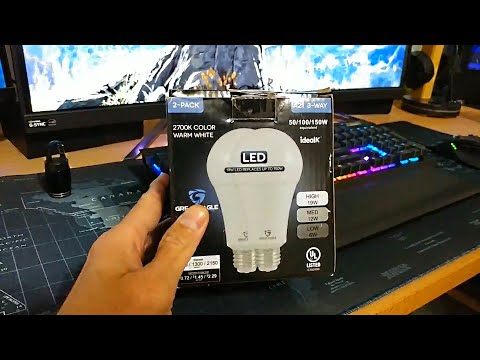
A three way LED bulb is a specially designed light source that fits into a 3-way socket and offers three distinct levels of brightness — typically low, medium, and high — in a single bulb. Unlike standard LED bulbs that operate at a fixed wattage and lumen output, a 3-way LED bulb contains two independent LED arrays or filaments internally. When you turn the socket switch, you activate one array for the low setting, the second array for the medium setting, or both arrays simultaneously for the brightest output. This dual-element design mimics the functionality of the classic 3-way incandescent bulb but with dramatically lower energy consumption and a far longer lifespan.
The 3-Way Socket Explained
The 3-way socket, also known as a Type B socket, has a distinctive barrel shape with two contact rings inside. The bulb’s base — typically an E26 medium screw base — makes contact with these rings in different combinations depending on the switch position. This mechanical switching method has been the standard in American lamp design since the early 1900s. When shopping for a replacement, always confirm that your lamp uses a 3-way socket and not a standard single-contact socket, because a 3-way LED bulb will not function correctly (or at all) in a regular socket.
Benefits of Upgrading to a 3-Way LED Bulb
Making the switch from an old incandescent 3-way bulb to a modern 3-way LED replacement delivers a wide range of advantages that go far beyond simple energy savings.
- Significant Energy Savings: A typical 50/100/150-watt incandescent 3-way setup draws up to 300 watts at full brightness. A comparable 3-way LED bulb uses as little as 10 to 20 watts to produce the same light output, slashing your energy bill by up to 85%.
- Extended Lifespan: Quality LED three-way bulbs last between 15,000 and 50,000 hours, meaning you may never need to replace a bulb for over a decade of regular use.
- Instant Full Brightness: Unlike some older CFL three-way bulbs that needed warm-up time, LED 3-way bulbs reach full brightness instantly in every mode.
- Reduced Heat Output: LED technology produces minimal heat, making 3-way LED bulbs safer to use in enclosed fixtures and reducing the risk of accidental burns.
- Environmentally Friendly: Lower energy consumption means a smaller carbon footprint, and LEDs contain no mercury, unlike compact fluorescent alternatives.
- Dimmable and Non-Dimmable Options: Many 3-way LED bulbs are also compatible with external dimmer switches, giving you even more control over your lighting environment.
How to Choose the Right 3-Way LED Bulb
Selecting the perfect 3-way LED bulb requires attention to several key specifications. Here is a breakdown of the most important factors to consider before making your purchase.
Key Specifications to Consider
- Lumen Output: Look for bulbs that deliver approximately 450 lumens on low, 800 lumens on medium, and 1,600 lumens on high — these are the rough equivalents of the classic 50W/100W/150W incandescent brightness levels.
- Color Temperature: Choose between warm white (2700K–3000K) for a cozy, inviting atmosphere or daylight (5000K–6500K) for task-oriented spaces like home offices and kitchens.
- Base Type: Ensure the bulb has an E26 medium base for standard North American sockets. Some specialty fixtures may require an E12 candelabra base.
- Dimmability: If you plan to use the bulb with a dimmer switch, verify that the product is explicitly labeled as dimmable to avoid flickering or buzzing.
- Shape and Size: Three-way LED bulbs come in A-shape, globe, and candle forms. Match the bulb shape to your lamp shade and fixture dimensions for the best aesthetic fit.
- Compatibility: Some smart home ecosystems (Alexa, Google Home, Philips Hue) offer Wi-Fi-enabled 3-way LED bulbs that allow you to control brightness levels through a mobile app.
3-Way LED Bulb vs. Traditional Incandescent 3-Way Bulb
Understanding the differences between a modern 3-way LED bulb and a legacy incandescent three-way bulb helps you appreciate why so many homeowners are making the switch. The table below highlights the most critical comparisons.
| Feature | 3-Way Incandescent | 3-Way LED Bulb |
| Wattage (Low/Med/High) | 50W / 100W / 150W | 6W / 10W / 15W (typical) |
| Lumen Output (Low/Med/High) | ~450 / ~800 / ~1500 | ~450 / ~800 / ~1600 |
| Energy Consumption | High (up to 300W max) | Low (15–25W max) |
| Average Lifespan | 1,000–2,000 hours | 15,000–50,000 hours |
| Heat Output | High | Minimal |
| Instant Brightness | Yes | Yes |
| Dimmable | No (3-way switch only) | Often yes (with compatible dimmer) |
| Annual Energy Cost (3 hrs/day) | ~$13–$16 | ~$2–$3 |
The cost savings are staggering over the life of a single bulb. A quality LED three-way bulb costs roughly $5 to $15 upfront but can save you over $100 in electricity costs compared to its incandescent counterpart over its lifespan.
Common Uses and Applications for 3-Way LED Bulbs
The versatility of a 3-way LED bulb makes it suitable for a surprising range of applications throughout the home. Here are the most popular use cases where these bulbs truly shine:
- Bedside Lamps: Transition from a soft low setting for winding down before sleep to a bright medium level for reading in bed.
- Living Room Floor Lamps: Use the high setting for general room illumination during entertaining and the low setting for relaxed, ambient evenings.
- Desk and Task Lamps: The medium and high brightness levels provide flexible lighting for reading, writing, or detailed craft work.
- Porch and Entryway Lights: A 3-way LED bulb in a porch fixture allows you to set the mood for quiet evenings or illuminate your entrance fully when guests arrive.
- Bathroom Vanity Lamps: Switch between a gentle glow for nighttime routines and bright light for grooming and makeup application.
Expert Tips for Getting the Most Out of Your 3-Way LED Bulb
Even though 3-way LED bulbs are relatively simple to use, a few expert tips can help you maximize performance and longevity:
- Always check the fixture rating. Some older 3-way lamps may have dimmer sockets rated for incandescent heat. LED bulbs run cool, so this is generally not a problem, but it is worth verifying.
- Match the dimmer if using one externally. Not all dimmers work well with LED technology. Look for LED-compatible dimmers from brands like Lutron or Leviton for the smoothest performance.
- Do not use a 3-way LED bulb in a standard single-contact socket. The bulb will either not work or will only operate on one brightness level, depending on the design.
- Buy from reputable brands. Leading manufacturers like Philips, Feit Electric, TCP, and Sylvania offer reliable 3-way LED options with strong warranties and consistent color rendering.
- Consider smart 3-way bulbs for added convenience. Smart-enabled models let you control all three brightness levels from your phone or voice assistant, adding a layer of automation that traditional switches cannot match.
Frequently Asked Questions About 3-Way LED Bulbs
Can I use a 3-way LED bulb in a regular single socket?
You can physically screw a 3-way LED bulb into a standard single-contact socket, but it will only operate at one brightness level — typically the highest. The dual-element design requires a 3-way socket to access all three settings. If your lamp has a standard socket, a regular LED bulb is the better and more cost-effective choice.
Do 3-way LED bulbs flicker when switching between brightness levels?
High-quality 3-way LED bulbs transition smoothly between low, medium, and high settings without any noticeable flicker. Budget options or bulbs with poor internal drivers may exhibit slight flickering at the switch points. Always look for Energy Star certified bulbs or products from trusted manufacturers to ensure seamless performance.
What is the difference between a 3-way LED bulb and a dimmable LED bulb?
A 3-way LED bulb offers three fixed brightness levels controlled by the switch on the lamp socket, while a dimmable LED bulb provides continuous, adjustable brightness when paired with an external dimmer switch. Some bulbs are both 3-way and dimmable, giving you the flexibility of preset levels plus fine-tuned control. They serve different purposes, though, and the choice depends on your fixture and how you want to control the light.
How do I know if my lamp has a 3-way socket?
A 3-way socket has a distinctive barrel or flared shape with two metal contact rings inside the socket — one at the bottom and one on the inner side. The bulb base will have two contact points (a center tip and a side contact) that correspond to these rings. If your lamp came with a bulb that had two contacts on the base, it is almost certainly a 3-way socket.
What brightness level should I choose for a 3-way LED bulb?
The ideal brightness depends on the room and its purpose. For a bedroom bedside lamp, the low setting at around 450 lumens is perfect for relaxation. A living room floor lamp benefits from a medium setting near 800 lumens for comfortable ambient light, with the high setting at 1,600 lumens reserved for tasks or when you need full illumination. Match the lumen output to the room size and the bulb’s intended use for the best results.
Conclusion
The 3 way LED bulb represents one of the smartest upgrades you can make in any home that still relies on traditional three-way lamps and fixtures. With their combination of energy efficiency, exceptional longevity, instant full brightness across three distinct levels, and increasingly smart connectivity options, these bulbs deliver an outstanding value proposition. Whether you are replacing a single aging incandescent bulb or outfitting an entire home with modern three-way lighting, choosing the right LED bulb comes down to understanding lumen output, color temperature, base type, and compatibility with your existing fixtures. Armed with the knowledge in this guide, you are now equipped to make confident, informed purchasing decisions that will light your home beautifully for years to come.