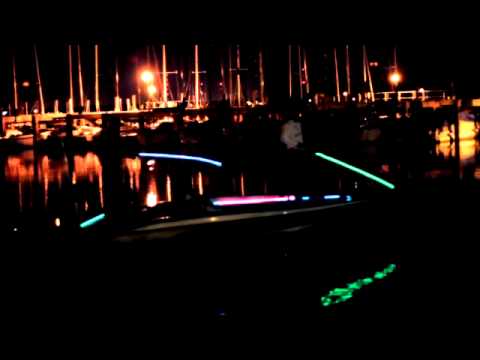
Night fishing is one of the most rewarding experiences any angler can enjoy, but it comes with a unique challenge: visibility. Knowing whether your line is moving, whether a fish has taken your bait, or whether your lure is working the water correctly can make or break your entire session. That is exactly where fishing pole tip lights step in. These compact, innovative lighting accessories have transformed the way anglers fish after dark, turning an uncertain nighttime experience into a highly productive and enjoyable outing. Whether you are a complete beginner just getting started with night fishing or a seasoned pro looking to refine your setup, understanding how tip lights work, which ones to choose, and how to use them effectively can give you a serious edge on the water.
What Are Fishing Pole Tip Lights and Why Do They Matter
Fishing pole tip lights are small LED or luminescent devices that attach directly to the tip section of your fishing rod. Their primary purpose is to illuminate the very end of your rod so you can detect bites, monitor line movement, and track your lure’s action in low-light or completely dark conditions. Think of them as a night-vision upgrade for your rod. Instead of squinting into the darkness and hoping you catch that subtle twitch on your line, a tip light makes it unmistakably visible.
For anglers who fish during dawn, dusk, or overnight hours, a quality tip light is not a luxury—it is a practical necessity. Many species like catfish, walleye, and bass feed more actively at night, which means missing a bite because you simply could not see your rod tip is leaving fish—and potentially trophies—on the table.
How Fishing Pole Tip Lights Work
At their core, fishing pole tip lights use light-emitting diodes or chemiluminescent technology to produce a glow at the terminal end of your rod. The mechanism varies depending on the type of light, but the goal remains the same: make your rod tip visible without spooking fish.
LED-Powered Tip Lights
LED tip lights are the most popular option among modern anglers. These battery-operated devices clip or slide onto the rod tip and emit a steady or blinking light. Many models come with adjustable brightness settings and multiple light modes, including solid white, green, blue, and even red. The advantage of LED lights is their reusability and brightness—they can last for dozens of fishing sessions on a single set of batteries.
Chemiluminescent (Glow Stick) Tip Lights
These are the simplest and most affordable option. Chemiluminescent sticks produce light through a chemical reaction when bent or activated. They are lightweight, require no batteries, and are perfect for casual or short-duration fishing trips. However, they are single-use, and the glow typically fades after a few hours.
Fiber-Optic Tip Indicators
Fiber-optic tip lights use a thin glass or plastic fiber that channels light from a source into the tip of the rod. These are incredibly discreet and produce a clean, pinpoint glow that is highly visible from a distance while remaining subtle in the water. They are a favorite among tournament anglers and purists who want maximum sensitivity with minimal distraction.
Types of Fishing Pole Tip Lights on the Market
The market for pole tip lights has expanded significantly in recent years, and anglers now have access to a wide range of designs suited for different fishing styles and rod types.
- Clip-On LED Tip Lights: These attach with a spring clamp or clip mechanism and work with most standard rod diameters. They are versatile and easy to install.
- Sliding Sleeve Lights: These slide over the rod tip like a cover and are ideal for rods with a narrower or tapered tip. They sit snugly and provide even illumination along the end of the rod.
- Magnetic Mount Lights: Using small magnets, these lights attach to the metal ferrules or guides near the tip of the rod. They are quick to install and remove, making them great for anglers who switch rods frequently.
- Built-In Glow Rod Tips: Some modern rods come with built-in LED strips or glow-in-the-dark materials integrated directly into the rod blank. These are sleek and seamless but tend to be more expensive.
Benefits of Using Tip Lights for Night Fishing
Adding a tip light to your fishing setup offers several tangible advantages that go well beyond simple visibility.
Improved Bite Detection

The most obvious benefit is the ability to see every movement at the rod tip. When fish nibble, tug, or fully commit to your bait, the light amplifies the motion, giving you instant feedback. This is especially critical when using sensitive techniques like drop-shotting, ned rigs, or live bait presentations where bites can be incredibly subtle.
Enhanced Lure Tracking
Tip lights also help you monitor how your lure or bait is moving through the water column. Whether you are working a crankbait along a rocky bank or slowly retrieving a soft plastic through submerged vegetation, seeing your rod tip’s arc tells you exactly what your lure is doing below the surface.
Better Line Visibility
In dark conditions, your fishing line can nearly vanish against the water. A tip light casts just enough illumination along the rod to help you see your line’s path from the reel to the water, making it easier to detect slack, tangles, or contact with structure.
Reduced Eye Strain and Fatigue
Straining to see your rod tip in the dark causes fatigue and frustration. A reliable tip light eliminates this problem, allowing you to focus entirely on fishing rather than fighting your own eyesight.

Comparison Table: LED vs. Chemiluminescent vs. Fiber-Optic Tip Lights
| Feature | LED Tip Lights | Chemiluminescent | Fiber-Optic |
| Brightness | High (adjustable) | Medium | Moderate to High |
| Battery Required | Yes | No | Sometimes |
| Reusable | Yes | No (single use) | Yes |
| Duration | 20–100+ hours | 4–8 hours | 50+ hours |
| Price Range | $10–$35 | $1–$5 per stick | $15–$40 |
| Visibility in Rain | Excellent | Good | Excellent |
| Fish Spook Risk | Low (adjustable) | Low | Very Low |
| Best For | All-around night fishing | Casual/short trips | Tournament/serious anglers |
How to Choose the Right Fishing Pole Tip Light
Selecting the ideal tip light depends on several factors, including your fishing style, rod type, budget, and the conditions you typically fish in.
- Compatibility with Your Rod: Measure your rod tip diameter and choose a light that fits securely. Clip-on models are the most forgiving, but sleeve and magnetic options require a proper match.
- Battery Life and Power Source: If you fish long overnight sessions, rechargeable LED lights or high-capacity battery models are essential. For shorter trips, chemiluminescent sticks are convenient and cost-effective.
- Light Color: Green and blue LEDs are generally the most visible in dark water conditions. Red lights are less disruptive to fish and can be useful in ultra-clear lakes. White light is bright but can scatter more in murky water.
- Water Resistance: Fishing is inherently wet, so always choose tip lights rated for waterproof or water-resistant use. Look for IPX6 or IPX7 ratings for reliable performance.
- Ease of Installation: You do not want to fumble with a complicated mount in the dark. Opt for lights that install in seconds and stay put against vibration and wind.
Expert Tips for Using Tip Lights Effectively
- Mount the light at the very last tip section for maximum sensitivity and the most visible glow without adding weight that affects rod action.
- Use green or blue light for dark water and murky conditions—these wavelengths penetrate deeper and are more visible to both you and your target species.
- Turn off your tip light when not actively fishing to conserve battery and avoid attracting unwanted attention from fish that may become wary of persistent light sources.
- Combine tip lights with glow-in-the-dark or UV-reactive lures for a multi-sensory approach that draws fish from greater distances.
- Carry spare batteries or backup chemiluminescent sticks as part of your night fishing kit. Losing your light mid-session is the last thing you want.
- Clean your tip lights after each use to remove salt, dirt, and residue that can degrade performance over time.
Top Fishing Pole Tip Lights Worth Considering in 2025
While specific product recommendations can change rapidly, several brands have built strong reputations for quality pole tip lights. Look for models from companies known for fishing electronics and accessories that offer durable construction, reliable LED chips, and secure mounting systems. Reading recent angler reviews and watching demonstration videos can help you compare real-world performance before making a purchase.
Conclusion
Fishing pole tip lights are one of those small upgrades that deliver outsized results. They remove the single biggest barrier to successful night fishing—visibility—while adding minimal weight, cost, or complexity to your setup. Whether you prefer the rugged simplicity of a chemiluminescent stick or the refined precision of a fiber-optic LED system, there is a tip light solution that fits your style and budget. The next time you head out after dark, equip your rod with a quality tip light and experience the difference firsthand. You may wonder how you ever fished at night without one.
Frequently Asked Questions
1. Are fishing pole tip lights safe for all types of fishing rods?
Most tip lights are designed to be universal and work with spinning rods, baitcasting rods, and fly rods. However, always check the manufacturer’s specifications for compatibility with your rod’s tip diameter and construction material. Fiberglass and carbon fiber rods generally accommodate clip-on and sleeve lights without any issues.
2. Do fishing pole tip lights scare away fish at night?
When used correctly, tip lights are unlikely to scare fish away. The light is positioned above the waterline at the rod tip and is not submerged. Fish are far more likely to be spooked by sudden movements, shadows, or noise than by a small LED glow on a rod above them. Choosing green or blue light further minimizes any potential disturbance.
3. How long do battery-powered fishing pole tip lights last on a single charge or set of batteries?
Quality LED tip lights typically last between 20 and 100 hours depending on brightness settings and battery type. Rechargeable lithium-ion models can last 40–80 hours on a single charge, while standard AA battery-powered units may run 20–50 hours. Chemiluminescent sticks last approximately 4–8 hours per activation.
4. Can I use fishing pole tip lights in freshwater and saltwater fishing?
Yes, but you must ensure the tip light you choose is rated for saltwater use or at minimum is waterproof with corrosion-resistant materials. Saltwater environments are harsher on electronics, so rinsing your tip light with fresh water after each saltwater session will significantly extend its lifespan.
5. What is the best color light for night fishing tip lights?
Green and blue are widely considered the best colors for night fishing tip lights. Green light is highly visible in most water and light conditions, while blue light is effective in deeper or clearer water and tends to be less disruptive to fish behavior. Some anglers also use red for ultra-low-light environments where minimal disturbance is critical.
6. How do I install a fishing pole tip light on my rod?
Installation is straightforward for most designs. Clip-on lights simply spring onto the last tip section of your rod. Sleeve lights slide over the tip and lock in place. Magnetic lights attach to metal ferrules or guides. Always ensure the light is secure but does not restrict the natural flex of the rod tip, as this can reduce sensitivity and affect bite detection.