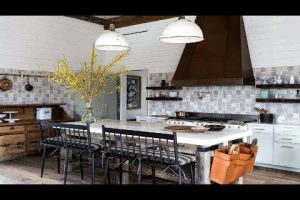
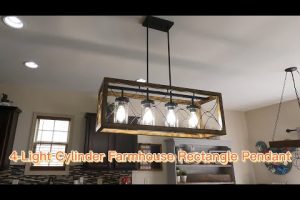
When most homeowners think about a kitchen renovation, they focus on countertops, cabinetry, or flooring — but kitchen fixtures are the unsung heroes that tie the entire space together. From the faucet you reach for every morning to the pendant light that sets the mood during dinner parties, fixtures are the functional and decorative elements that make a kitchen truly work for you. Whether you are planning a full remodel or simply upgrading a few key components, understanding what qualifies as a kitchen fixture and how to choose the right ones can save you time, money, and endless frustration.
What Are Kitchen Fixtures? A Complete Overview
The term fixtures in kitchen refers to permanently installed or semi-permanent components that serve both practical and aesthetic purposes. Unlike appliances such as refrigerators or ovens, fixtures are typically built into the kitchen’s infrastructure. They include elements like sink systems, faucets, lighting units, cabinet hardware, and even integrated ventilation hoods. Think of fixtures as the connective tissue of your kitchen — they bridge the gap between raw construction and a livable, comfortable space.
What makes kitchen fixtures so important is that they affect your daily routine more than almost any other design element. A poorly placed light fixture can turn meal prep into a chore, while a low-quality faucet can leak, drip, and corrode within just a few years. On the flip side, the right fixtures elevate your kitchen’s functionality, energy efficiency, and overall resale value.
Types of Kitchen Fixtures: From Essential to Premium
Not all kitchen fixtures are created equal, and the choices available today span a wide range of styles, materials, and price points. Let us break down the major categories you will encounter when shopping for fixtures.

Sinks and Faucets
The sink and faucet combo is arguably the most critical fixture in any kitchen. Modern options include undermount sinks, farmhouse (apron-front) sinks, and composite granite basins. Faucets range from basic single-handle models to high-arc pull-down designs with touchless sensors. When selecting a sink, consider the basin material — stainless steel remains popular for its durability, while fireclay and quartz composite offer a more premium, easy-to-clean surface.
For faucets, look for ceramic disc valves, which last significantly longer than rubber washers. Brands like Moen, Delta, and Kohler dominate this space, but newer companies are producing excellent budget-friendly alternatives that do not compromise on performance.
Lighting Fixtures

Kitchen lighting is layered, meaning you should think beyond a single overhead fixture. Under-cabinet LED strips, pendant lights over islands, and recessed ceiling cans each serve a distinct purpose. Task lighting ensures you can chop vegetables without straining your eyes, while ambient lighting creates a warm atmosphere for entertaining. Accent lighting highlights architectural features or open shelving displays.
LED technology has revolutionized kitchen lighting fixtures. They consume a fraction of the energy, last thousands of hours longer than incandescent bulbs, and now come in warm color temperatures that eliminate the harsh, blue-white glow many people associate with LED lights.
Cabinet Hardware and Handles
It is easy to overlook drawer pulls and cabinet knobs, but these small fixtures contribute enormously to your kitchen’s visual identity. Knobs work well for a classic, traditional look, while long handles or pulls suit modern and minimalist aesthetics. Materials like brushed nickel, matte black, brass, and oil-rubbed bronze each convey a different mood and pair differently with countertop and cabinet finishes.
Range Hoods and Ventilation
A range hood is one of the most overlooked yet essential kitchen fixtures. It removes grease, smoke, odors, and excess heat, protecting both your cabinetry and your indoor air quality. Ducted hoods exhaust air outside, while ductless recirculating models use charcoal filters to clean the air before returning it to the room. Under-cabinet and island-mounted hoods are popular choices depending on your kitchen layout.
Plumbing and Drain Fixtures
Less glamorous but equally important, plumbing-related fixtures include garbage disposals, dishwashers connections, and water filtration systems integrated into your sink setup. A high-quality disposal with a multi-grinding system can handle everything from vegetable scraps to small bones, while under-sink filtration systems improve both taste and clarity of your drinking water.
How to Choose the Right Kitchen Fixtures
Selecting the perfect fixtures requires balancing several factors. Here are some practical guidelines to keep in mind.
Material Matters
The material you choose directly impacts durability, maintenance, and visual appeal. Stainless steel is the go-to for sinks and faucets because it resists corrosion and stains. Brass offers a timeless look but requires regular polishing to maintain its shine. Matte finishes are trending because they hide fingerprints and water spots better than polished surfaces.
Style Coordination
Your fixtures should complement the overall design language of your kitchen. A farmhouse sink pairs beautifully with subway tile and open shelving, while a sleek undermount sink works best with contemporary cabinetry and quartz countertops. Mismatched finishes — like a brushed nickel faucet paired with oil-rubbed bronze cabinet handles — can create visual chaos unless you intentionally mix metals with a unifying element.
Budget and Longevity
It is tempting to cut costs on fixtures, but these are the elements you interact with daily. Investing in well-built faucets and lighting fixtures pays off through fewer repairs, better performance, and sustained aesthetic appeal. A good rule of thumb is to allocate roughly 10 to 15 percent of your total kitchen budget to fixtures alone.
Kitchen Fixtures Comparison
| Fixture Type | Best For | Avg. Cost Range | Lifespan |
| Stainless Steel Sink | Durability, easy cleaning | $150 – $500 | 15–25 years |
| Fireclay Sink | Classic look, heavy use | $400 – $1,200 | 20–30 years |
| Pendant Lighting | Task and ambient lighting | $50 – $300 per fixture | 10–20 years |
| Touchless Faucet | Hygiene, convenience | $200 – $600 | 5–10 years |
| Ducted Range Hood | Maximum ventilation | $300 – $1,500 | 10–20 years |
| Brass Cabinet Handles | Premium aesthetics | $10 – $50 per pair | 15–25 years |

Installation Tips and Common Mistakes
Even the best fixtures can cause problems if installed incorrectly. Here are expert tips to ensure a smooth installation process.
- Always measure before purchasing. Sink dimensions, mounting hole sizes, and clearance for faucet spouts vary widely. A faucet that looks perfect on paper may not fit your sink’s configuration.
- Turn off water supply before starting any plumbing work. This seems obvious, but it is the number one mistake beginners make.
- Use silicone sealant for undermount sinks rather than plumber’s putty, which can dry out and crack over time.
- Install dimmer switches for your lighting fixtures. This allows you to adjust brightness for cooking, cleaning, and entertaining without replacing bulbs.
- Hire a licensed electrician for hardwired fixtures. Pendant lights and recessed cans often require direct wiring into your home’s electrical system, which should only be handled by a professional.
One mistake that trips up many homeowners is failing to account for fixture clearance and proportion. An oversized pendant light over a small kitchen island looks cluttered, while a tiny chandelier in a large open-plan space gets lost visually. As a general rule, the bottom of a pendant should hang 30 to 36 inches above the countertop or island surface.
Maintenance and Longevity of Kitchen Fixtures
Keeping your kitchen fixtures in top condition does not require a lot of effort, but consistency matters. Clean stainless steel sinks and faucets with a mild detergent and a microfiber cloth — avoid abrasive scouring pads that can scratch the protective coating. For brass fixtures, a dedicated metal polish applied every few months prevents tarnish from building up. Lighting fixtures should be dusted regularly, and bulbs should be replaced promptly when they dim or flicker.
Check under your sink periodically for signs of leaks, loose connections, or corrosion. Catching a small drip early can prevent costly water damage to your cabinets and flooring. Similarly, clean range hood filters monthly — grease buildup reduces ventilation efficiency and can become a fire hazard over time.
FAQs About Kitchen Fixtures
What is the difference between kitchen fixtures and kitchen appliances?
Kitchen fixtures are built-in components like sinks, faucets, lighting, and cabinet hardware, while kitchen appliances are standalone machines such as refrigerators, ovens, and dishwashers that can typically be unplugged and moved.
How often should I replace my kitchen faucet?
A quality kitchen faucet lasts anywhere from 7 to 15 years depending on usage and water quality. Signs that replacement is needed include persistent leaking, corroded spray heads, and mineral buildup that affects water flow.
Can I mix metal finishes in my kitchen fixtures?
Yes, mixing metals is increasingly popular, but it works best when you limit yourself to two finishes and repeat each throughout the space. For example, use brushed nickel faucets and lighting alongside brass cabinet pulls for a layered, curated look.
What is the most energy-efficient kitchen lighting fixture?
LED strip lights installed under cabinets are the most energy-efficient option, consuming up to 75% less energy than traditional incandescent lighting while providing excellent task illumination for food preparation areas.
Are touchless kitchen faucets worth the investment?
Touchless faucets improve hygiene, reduce water waste, and add a modern feel to your kitchen. They are especially valuable in households with young children or individuals with mobility limitations that make turning handles difficult.
Final Thoughts on Kitchen Fixtures
Kitchen fixtures are far more than functional add-ons — they are the details that define how your kitchen feels, performs, and holds its value over time. By selecting high-quality materials, coordinating styles thoughtfully, and maintaining your fixtures properly, you create a space that is both beautiful and built to last. Whether you are drawn to the warmth of brass hardware, the sleekness of touchless faucets, or the efficiency of LED lighting, the right fixtures transform an ordinary kitchen into the heart of your home.