


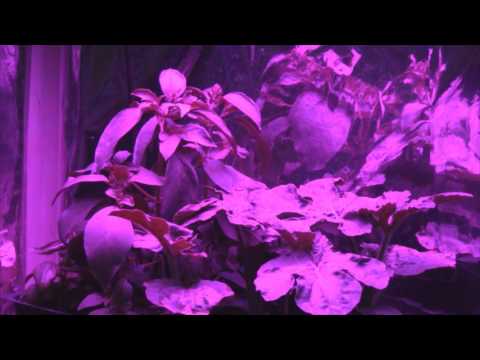
Growing basil indoors has become one of the most popular pursuits for home gardeners, culinary enthusiasts, and health-conscious cooks alike. Whether you are cultivating sweet basil on a kitchen windowsill or tending to several pots under a dedicated indoor garden setup, one factor can make or break your harvest: the quality and type of light your plants receive. A basil grow light is far more than a simple accessory — it is the engine behind healthy leaf production, robust flavor development, and year-round harvesting. If you have ever struggled with leggy, pale, or slow-growing basil indoors, the answer almost always lies in the light source. In this comprehensive guide, we will explore everything you need to know about choosing, setting up, and optimizing grow lights for basil, from beginner-friendly tips to advanced strategies that serious growers swear by.
Why Basil Needs the Right Grow Light
Basil is a sun-loving herb that evolved to thrive in bright, direct sunlight. In its natural habitat, the plant receives six to eight hours of intense solar radiation daily, which drives photosynthesis, essential oil production, and vigorous vegetative growth. When you bring basil indoors, you are essentially replicating — or attempting to replicate — that same energy environment. Without adequate light, basil plants become etiolated, meaning they stretch tall and spindly in search of photons, sacrificing leaf density and flavor. A high-quality basil grow light solves this problem by delivering the specific light spectrum and intensity that basil needs to flourish regardless of the season or your geographic location.
The light spectrum matters enormously here. Blue light promotes compact, bushy growth and healthy leaf development, while red light fuels flowering and overall plant vigor. Basil grown for culinary purposes benefits most from a balanced spectrum that emphasizes blue wavelengths, which keeps the plant stocky and leafy rather than diverting energy into premature flowering. This is why many indoor gardeners specifically select full-spectrum LED grow lights over generic household bulbs, which often lack the spectral balance needed for meaningful herb production.
Best Grow Lights for Basil — A Detailed Comparison
LED Grow Lights for Basil

LED grow lights have revolutionized indoor herb cultivation, and for good reason. They are energy-efficient, emit very little heat, and last for tens of thousands of hours. When selecting an LED grow light for basil, look for fixtures labeled as full-spectrum or those with a color temperature between 4000K and 6500K. These ranges closely mimic natural daylight and support robust vegetative growth. Adjustable dimmable LEDs are especially valuable because they let you fine-tune light intensity as your basil matures or as seasonal daylight changes.
Fluorescent Grow Lights

Compact fluorescent lights (CFLs) and T5 fluorescent tubes have long been a go-to option for growing herbs indoors. They are affordable, widely available, and produce a respectable amount of blue-spectrum light ideal for basil. However, fluorescent fixtures are less energy-efficient than modern LEDs and generate more heat over time. If you are on a tight budget or just starting out, a T5 fluorescent setup can absolutely produce excellent basil — but you will likely want to upgrade to LEDs as you scale your indoor garden.
Incandescent and HID Lights
Traditional incandescent bulbs and high-intensity discharge (HID) lights are generally not recommended for growing basil indoors. Incandescent bulbs waste most of their energy as heat and produce an unbalanced spectrum that can stress plants. HID systems, while powerful, are overkill for a single herb pot and consume significant electricity. They also generate excessive heat that can scorch delicate basil leaves if positioned too closely.
| Light Type | Energy Efficiency | Heat Output | Spectrum Quality | Best For |
| LED Full-Spectrum | Excellent | Low | Excellent | All indoor basil setups |
| T5 Fluorescent | Good | Moderate | Very Good | Small-scale herb gardens |
| CFL | Fair | Moderate | Good | Single-pot beginner setups |
| Incandescent | Poor | High | Poor | Not recommended for basil |
| HID | Poor | Very High | Good (but unbalanced) | Large-scale grow operations only |
How Many Hours of Light Does Basil Need
One of the most frequently asked questions among indoor basil growers is: how many hours of light does basil actually need? The answer depends on the growth stage and the intensity of your light source. Generally, basil requires 12 to 16 hours of light per day when grown under artificial grow lights. Since basil is not a photoperiod-sensitive plant, it does not require a strict dark period to trigger flowering, but providing a consistent six to eight hours of darkness can promote overall plant health and prevent stress.
If you are using high-intensity LEDs, you can get away with 12 hours of light and still achieve dense, flavorful foliage. With lower-intensity fluorescent fixtures, extending the photoperiod to 14–16 hours compensates for the reduced output. The key is to monitor your plants closely. Dark green, compact leaves with strong stems indicate your basil is receiving sufficient light. Yellowing leaves, elongated stems, and slow growth are telltale signs of light deprivation.
Tips for Growing Basil Under Grow Lights
- Position your light correctly. For LEDs, hang the fixture approximately 6 to 12 inches above the canopy of your basil plants. For fluorescent tubes, a distance of 4 to 6 inches works well because they emit less intense light. Adjust the height as the plant grows to maintain optimal light penetration.
- Use a timer. Consistency is critical. Plug your grow light into an automatic timer set to a 14-hour on / 10-hour off cycle. This removes guesswork and ensures your basil receives the same photoperiod every single day, which promotes uniform, predictable growth.
- Rotate your pots regularly. Basil naturally grows toward the light source, which can cause uneven development. Rotating each pot a quarter turn every two days ensures all sides of the plant receive balanced exposure, resulting in a fuller, more symmetrical plant.
- Pair light with proper watering. Under grow lights, indoor basil can dry out faster than it would in a natural outdoor setting. Check soil moisture daily, especially if your light fixture generates any heat. Water thoroughly when the top inch of soil feels dry, but never let pots sit in standing water.
- Feed your basil appropriately. Indoor basil grown under lights benefits from a diluted liquid fertilizer applied every two to four weeks. A balanced, nitrogen-rich formula supports the leafy growth that you are cultivating, and it compensates for nutrients that are washed out during frequent watering.
- Prune frequently. Regular pinching of the top leaves encourages bushier growth and prevents the plant from bolting prematurely. Under grow lights, basil can grow rapidly, so pruning every two to three weeks keeps the plant productive and prevents it from becoming leggy.
Common Problems When Growing Basil Under Grow Lights
Even with the best setup, indoor basil growers occasionally encounter challenges. Leggy growth is the most common issue and almost always points to insufficient light intensity or excessive distance between the bulb and the plant. If your basil is stretching toward the light with large gaps between leaf nodes, move the fixture closer or increase the daily light duration. Pale or yellowing leaves can indicate a spectrum deficiency, particularly a lack of blue light, or it may signal nutrient issues unrelated to the grow light itself. White or bleached leaf tips typically mean the light is positioned too close and is causing photodamage. Lowering the fixture by a few inches usually resolves this immediately.
Overheating is another concern, especially with older fluorescent or HID setups. While modern LEDs run cool, any grow light should be paired with adequate air circulation. A small oscillating fan not only keeps temperature in check but also strengthens basil stems by simulating gentle wind exposure, producing sturdier plants that better withstand harvesting.
FAQs About Basil Grow Lights
Can I use a regular desk lamp to grow basil indoors?
A standard desk lamp with an LED or CFL bulb can work for a single small basil plant, but it will likely lack the intensity and spectrum needed for robust growth over time. Regular household bulbs are designed for illumination, not photosynthesis. For consistently healthy basil, invest in a purpose-built grow light with a full-spectrum output and sufficient wattage to cover the plant canopy effectively.
What is the best LED grow light wattage for basil?

For a small to medium basil setup, a grow light rated between 20 and 40 watts is usually sufficient. If you are growing multiple pots in a single area, you will need a higher-wattage fixture or multiple smaller lights arranged to provide even coverage. The key metric is not just wattage but photosynthetic photon flux density (PPFD), which measures the actual light reaching the plant. Aim for a PPFD range of 150 to 250 µmol/m²/s for basil grown purely for leaf production.
Do basil grow lights use a lot of electricity?
Modern LED grow lights are remarkably efficient. A typical 30-watt LED unit running for 14 hours a day consumes approximately 420 watt-hours per day, or roughly 12.6 kilowatt-hours per month. At average U.S. electricity rates, that translates to about $1.50 to $2.00 per month — a minimal cost compared to purchasing fresh basil at the grocery store year-round.
Can grow lights cause basil to bolt prematurely?
Bolting occurs when basil shifts energy from leaf production into flower and seed development, which makes the leaves bitter and tough. While light intensity and duration play a role, bolting is more commonly triggered by temperature stress and mature plant age. Keeping your grow light at the correct distance and maintaining ambient temperatures below 80°F (27°C) helps delay bolting and extends your harvest window significantly.
How close should a basil grow light be placed?
For LED grow lights, maintain a distance of 6 to 12 inches from the top of the basil canopy. For fluorescent T5 tubes, 4 to 6 inches is ideal because they emit less intense light. Start at the farther end of the range and observe your plants for a week. If growth is vigorous and leaves remain a healthy deep green, the distance is appropriate. If leaves begin curling or bleaching, raise the fixture slightly.
Final Thoughts on Choosing and Using a Basil Grow Light
Growing basil indoors with a dedicated grow light is one of the most rewarding investments you can make for your kitchen and your well-being. Fresh basil brings vibrant flavor to countless dishes, and having it available year-round eliminates the frustration of seasonal scarcity. By understanding your plant’s light requirements, choosing the right fixture from the options available, and following practical setup and maintenance tips, you can cultivate lush, aromatic basil plants that rival anything you would find at a farmers’ market. Whether you are a complete beginner taking your first steps into indoor gardening or an experienced grower refining your setup, the right basil grow light transforms an ordinary windowsill or spare room into a thriving herb garden that delivers fresh harvests month after month. The science is clear, the technology is accessible, and the results are delicious — so turn on that light and watch your basil flourish.