If you have ever walked into an indoor garden or a commercial grow tent and noticed the eerie purple glow bouncing off the leaves, you have witnessed full spectrum grow lights in action. These lighting systems have completely transformed the way we grow plants indoors, from tiny balcony herb gardens to massive commercial operations. Unlike traditional grow lights that blast plants with a single color wavelength, full spectrum grow lights replicate the natural sunlight that plants have evolved under for millions of years. Understanding how these lights work, which type suits your setup, and how to use them effectively can mean the difference between a struggling indoor garden and a thriving one. This guide dives deep into everything you need to know about full spectrum lighting for plant growth, whether you are a complete beginner or a seasoned indoor horticulturist looking to refine your setup.
What Are Full Spectrum Grow Lights?
Full spectrum grow lights are artificial lighting systems designed to emit wavelengths across the entire visible light spectrum, closely mimicking natural sunlight. The term “full spectrum” refers to the ability of a light source to produce a balanced blend of blue, green, yellow, orange, red, and sometimes ultraviolet (UV) and infrared (IR) wavelengths. Plants rely on different parts of the light spectrum for various growth processes. Blue light drives vegetative growth and leafy development, while red light is critical for flowering and fruiting. Green light penetrates deeper into the canopy, reaching lower leaves that other wavelengths miss. By combining these wavelengths in a single fixture, full spectrum LED grow lights and other lighting technologies provide plants with a comprehensive light recipe that supports every stage of their life cycle.
The Science Behind Light Spectra and Plant Biology
To truly understand why full spectrum lighting matters, you need to grasp the concept of photosynthetically active radiation, or PAR. PAR is the range of light wavelengths, roughly between 400 and 700 nanometers, that plants use for photosynthesis. Within this range, chlorophyll a and chlorophyll b pigments absorb light most efficiently in the blue (around 430–450 nm) and red (around 640–680 nm) zones. However, green light (500–600 nm) scatters within the leaf structure and reaches deeper canopy layers, which is why a balanced spectrum produces healthier overall growth. The color temperature of a light, measured in Kelvin (K), also plays a role. Lights rated at 5000K to 6500K lean toward the blue end of the spectrum, mimicking midday sunlight, while lights around 2700K to 3000K lean red, resembling sunset conditions. Full spectrum grow lights typically span from 3000K to 6500K or higher, ensuring a broad and balanced output that supports both vegetative and reproductive growth phases.
Why Full Spectrum Lighting Is Essential for Indoor Growing
Indoor plants are entirely dependent on the light you provide them. Without adequate and balanced illumination, they will stretch, produce fewer flowers, grow weak stems, and become vulnerable to pests and disease. Full spectrum lighting solves this problem by delivering the complete range of wavelengths that plants need for healthy development. In a natural outdoor environment, plants receive unfiltered sunlight that shifts throughout the day and across seasons. Full spectrum grow lights replicate this dynamic, giving indoor growers the ability to control photoperiods, light intensity, and spectral quality with precision. Whether you are starting seeds, growing leafy greens, nurturing succulents, or flowering fruit-bearing plants, a quality full spectrum light source ensures that your plants receive the exact photons they need at every growth stage. This leads to faster germination, stronger root development, denser foliage, improved flower production, and higher yields overall.
Types of Full Spectrum Grow Lights Compared
The market for indoor horticultural lighting has exploded in recent years, and several technologies now offer full spectrum output. Each type has distinct advantages and trade-offs depending on your growing space, budget, and plant goals.
| Type | Spectrum Range | Energy Efficiency | Lifespan | Best For |
| Full Spectrum LED | 380–780 nm (with UV/IR) | High (2.0–3.5 μmol/J) | 50,000+ hours | All growth stages, home & commercial |
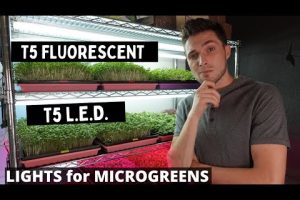
| T5 Fluorescent | 400–700 nm (balanced) | Moderate | 20,000 hours | Seedlings, clones, small spaces |
| Compact Fluorescent (CFL) | 400–700 nm | Moderate | 10,000 hours | Small herb gardens, desk grows |
| CMH / LEC (Ceramic Metal Halide) | 380–780 nm (broad) | Moderate | 15,000–20,000 hours | Flowering, premium quality harvests |
| HPS with Spectrum Booster | 350–750 nm (red-heavy) | Low to Moderate | 10,000–18,000 hours | Supplemental flowering, large scale |
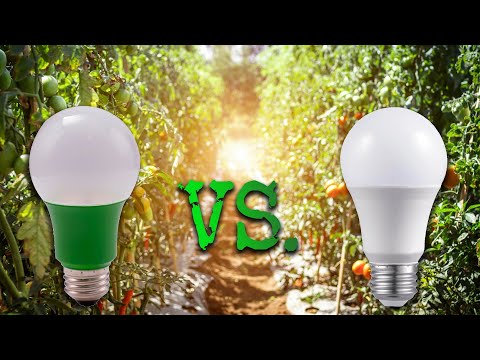
Full spectrum LED grow lights have become the dominant choice for most indoor growers because of their exceptional energy efficiency, low heat output, customizable spectrum controls, and long operational lifespan. LED fixtures allow you to adjust the ratio of blue to red light, dial in dimming levels, and even program sunrise and sunset transitions. Fluorescent options like T5 tubes remain popular for beginners because they are affordable and produce minimal heat, making them ideal for small spaces and starter kits. Ceramic Metal Halide (CMH) lights offer a very natural full spectrum that many growers prefer for the quality and flavor of their harvests, though they consume more power and generate more heat than LEDs.
How to Choose the Right Full Spectrum Grow Light for Your Setup
Selecting the best full spectrum grow light depends on several factors, including the size of your growing area, the type of plants you are cultivating, and your budget. Start by measuring the footprint of your grow space in square feet. Most LED grow light manufacturers provide a recommended coverage area per watt, typically ranging from 30 to 50 watts per square foot depending on the light intensity and the plant species. For low-light plants like herbs and leafy greens, you can get away with 15 to 20 watts per square foot, while high-light flowering plants such as tomatoes, peppers, and cannabis may require 30 to 50 watts per square foot for optimal results.
Next, consider the light intensity, measured in micromoles per square meter per second (μmol/m²/s), also known as photosynthetic photon flux density (PPFD). Most vegetable and flowering plants thrive under a PPFD range of 200 to 600 μmol/m²/s, while high-demand crops benefit from 600 to 1000 μmol/m²/s. Look for grow lights that provide a PAR map or coverage chart so you can verify that light distribution is even across your canopy. Also, pay attention to the driver quality and heat dissipation design of LED fixtures, as these factors directly impact longevity and performance. A well-built full spectrum LED panel with a reliable driver will outperform a cheaper unit by a significant margin over time.
Best Practices for Installing and Using Full Spectrum Grow Lights
Proper installation and usage are just as important as choosing the right fixture. Hang your grow lights at the correct distance from the plant canopy to avoid light burn or insufficient illumination. As a general rule, full spectrum LED lights should be positioned 12 to 24 inches above the canopy during the vegetative phase and 18 to 36 inches during the flowering phase, though specific distances vary by wattage and model. Always start at a greater distance and gradually lower the lights over several days while monitoring your plants for signs of stress such as curling leaves or bleached tips.
Set your light schedule according to the growth stage. Most plants need 16 to 18 hours of light during vegetative growth and 12 hours of uninterrupted darkness to trigger flowering. Use a reliable timer to automate this photoperiod, as consistent dark periods are essential for plant metabolic processes. Keep the grow area well-ventilated, since even low-heat LED fixtures benefit from air circulation that removes warm air from the canopy level. Clean your light fixtures periodically to remove dust, which can reduce light output by up to 15 percent over time. Finally, invest in a quality PAR meter or quantum sensor if you want to measure actual light intensity at canopy level, giving you the data needed to fine-tune your setup for maximum efficiency.
Expert Tips to Maximize Your Grow Light Performance
- Use reflective surfaces. Mylar film, white paint, or reflective roofing material on the walls of your grow tent can increase light penetration by up to 30 percent, ensuring that every leaf receives adequate photons.
- Supplement with UV and IR. Some full spectrum LED grow lights include UV-A and IR diodes that trigger beneficial plant responses, including increased essential oil production and stronger stem development.
- Rotate your plants regularly. Even with excellent light distribution, plants naturally grow toward the light source. Rotating pots every few days promotes even growth and prevents lanky, weak stems.
- Monitor ambient temperature. Keep the grow room temperature between 68°F and 78°F during lights-on periods. Excessive heat combined with intense light can cause heat stress, even with low-wattage fixtures.
- Upgrade incrementally. If you are scaling up your indoor garden, add lights gradually rather than all at once. This lets you observe how each fixture interacts with your specific growing environment before committing to a full retrofit.
Common Mistakes to Avoid with Full Spectrum Grow Lights
One of the biggest mistakes new growers make is assuming that more light is always better. Excessive light intensity leads to photoinhibition, where the plant’s photosynthetic machinery becomes damaged and actually reduces growth. Another common error is ignoring the light requirements of different plant species. A shade-tolerant fern and a light-hungry tomato plant have vastly different needs, and using the same light schedule and intensity for both will yield poor results. Additionally, many growers overlook the importance of light uniformity. If your grow light creates hot spots and dark zones across the canopy, some plants will thrive while others underperform. Using a dimmable fixture or adjusting the hanging height can help distribute light more evenly. Finally, never underestimate the role of darkness. Plants need a consistent dark period to respire and process nutrients, and interrupting this cycle with light leaks can severely disrupt flowering and overall plant health.
Frequently Asked Questions
Can I use full spectrum grow lights for all types of plants? Yes, full spectrum grow lights are suitable for virtually all plant species, from leafy greens and herbs to flowering ornamentals and fruiting crops. The ability to adjust spectrum ratios and intensity makes them versatile enough to meet the needs of plants at any growth stage.
How many hours per day should I run full spectrum grow lights? Most plants thrive under 12 to 16 hours of artificial light per day. Seedlings and clones generally need 16 to 18 hours, while mature vegetative plants do well with 14 to 16 hours. Flowering plants typically perform best under a strict 12-hour light and 12-hour dark cycle to trigger bloom development.
Are full spectrum LED grow lights better than HPS lights? Full spectrum LEDs offer superior energy efficiency, lower heat output, longer lifespan, and the ability to customize the light spectrum. While HPS lights remain popular in commercial cannabis cultivation, LEDs have become the preferred choice for most indoor growers due to their versatility and long-term cost savings.
Do full spectrum grow lights include UV and infrared light? Many high-quality full spectrum LED fixtures include supplemental UV-A and IR diodes in addition to the visible spectrum. These wavelengths can enhance plant resilience, essential oil production, and secondary metabolite development, though they are not strictly necessary for basic plant growth.

What wattage full spectrum grow light do I need for a 4×4 grow tent? For a standard 4×4 foot grow tent, a full spectrum LED light rated at 200 to 400 watts is typically sufficient for most plants. Low-light plants like lettuce and herbs require around 200 watts, while high-light flowering plants like tomatoes or cannabis benefit from 350 to 450 watts for optimal coverage and canopy penetration.
Final Thoughts
Full spectrum grow lights represent the gold standard in indoor horticultural lighting, offering a balanced, efficient, and highly effective way to replicate sunlight for plants grown indoors. Whether you are setting up your first small herb garden on a kitchen windowsill or designing a professional-grade grow room, understanding the nuances of light spectrum, intensity, and photoperiod will empower you to make smarter decisions. Invest in quality fixtures, monitor your plants closely, and be willing to adjust your setup as you learn. The rewards of a well-lit indoor garden — fresh produce, beautiful blooms, and the satisfaction of year-round cultivation — make every watt and every effort worth it.