


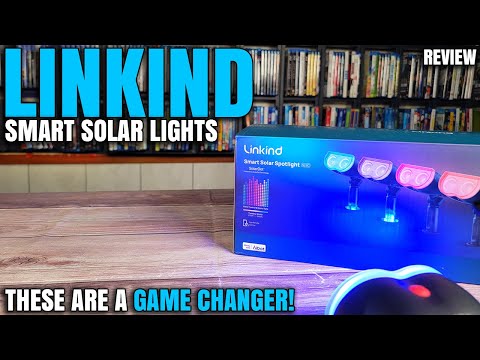
If you are searching for the best solar lights to transform your outdoor space, save on electricity bills, and add reliable illumination without wiring headaches, you have come to the right place. Solar-powered lighting has evolved dramatically over the past few years, moving from dim, short-lived alternatives to genuinely high-performance fixtures that rival traditional hardwired options. Whether you need landscape accent lighting, bright motion-sensor security lights, or ambient string lights for your patio, this comprehensive guide covers everything you need to know — from buying criteria and top-rated models to expert installation tips that maximize brightness and longevity.
Why Solar Lights Deserve a Spot in Your Outdoor Setup
Solar landscape lighting has become one of the fastest-growing segments in the home improvement industry, and for good reason. These fixtures harness free, renewable energy from the sun, eliminating the need for electrical outlets, extension cords, or professional installation. Beyond the obvious cost savings, solar lights offer remarkable flexibility. You can place them anywhere that receives adequate sunlight, making them ideal for garden borders, walkways, fences, docks, and even remote areas where running power lines would be prohibitively expensive.
Modern solar outdoor lighting also comes with significant environmental benefits. By relying on photovoltaic panels and rechargeable lithium-ion or NiMH batteries, these fixtures produce zero carbon emissions during operation. Many leading brands now integrate smart sensors, multiple lighting modes, and weather-resistant construction, making solar options competitive with — and sometimes superior to — conventional wired alternatives.
Top Factors to Consider When Choosing the Best Solar Lights
Not all solar-powered fixtures are created equal. Before you buy, understanding the key specifications that separate premium models from cheap knockoffs will save you money and frustration.
Solar Panel Quality and Charging Efficiency
The solar panel is the heart of every solar light fixture. Monocrystalline silicon panels consistently outperform polycrystalline alternatives, offering conversion efficiency rates between 15% and 23%. Higher-quality panels capture more photons even under cloudy or partially shaded conditions, which directly impacts how much energy gets stored overnight. Look for models with adjustable panels or panels that can be positioned independently from the light head — this lets you angle the panel toward direct sunlight while mounting the fixture where you actually need illumination.
Battery Capacity and Runtime
Battery capacity, measured in milliamp-hours (mAh), determines how long your solar lights stay lit after dark. Most quality solar garden lights use 1800mAh to 3000mAh rechargeable batteries, while larger flood lights may incorporate 4000mAh or higher cells. Lithium batteries generally outperform older nickel-based options, offering longer lifespans, faster charging, and better performance in cold weather. Runtime varies significantly based on brightness settings — a solar light running on low mode may last 10 to 12 hours, while full-brightness operation might drain the battery in 4 to 6 hours.
Brightness and Lumens Output
Lumens measure the total amount of visible light a fixture produces. For pathway and accent lighting, 50 to 200 lumens creates a pleasant, subtle glow. Motion-sensor security lights typically need 300 to 1000 lumens to effectively illuminate large areas and deter intruders. Solar flood lights designed for driveways and commercial spaces often exceed 1500 lumens. Pay attention to whether manufacturers list “peak lumens” (a brief maximum output that quickly dims) or sustained lumens — the latter is the metric that matters for real-world performance.
Best Solar Lights by Category
Best Solar Pathway Lights
Solar pathway lights are the most popular category, and for good reason. They line gardens, walkways, and driveways with gentle, consistent illumination. Top performers in this segment feature stainless steel or brass housings, tempered glass panels, and integrated LED chips rated for 50,000 hours or more. Look for models with separate solar panels so you can hide the charging unit behind a planter or fence while placing the light stake exactly where you want it.
Best Solar Motion Sensor Lights
Solar motion-activated lights serve double duty as security fixtures and path illuminators. These units detect movement within a range of 10 to 30 feet and switch to full brightness instantly. Premium models offer adjustable sensitivity, multiple detection zones, and programmable timers that keep the light on for a set duration after detecting motion. Brands like Aootek, BOFU, and BAXIA Technology have earned strong reputations in this category for delivering bright, dependable performance at accessible price points.
Best Solar String Lights
Solar string lights bring a warm, inviting atmosphere to patios, pergolas, and outdoor events. Modern versions use warm-white LED bulbs (typically 2700K to 3000K color temperature) that mimic the glow of traditional incandescent strands without the energy waste. IP65 and IP67 waterproof ratings ensure these lights survive rain, snow, and humidity. Look for designs with copper wire casing, which is both flexible and weather-resistant, and models that include USB charging ports so you can top off the battery during extended cloudy periods.
Best Solar Flood Lights
For serious outdoor illumination — think driveways, backyards, construction sites, and campsite security — solar flood lights deliver the highest lumen outputs in the solar lighting market. These fixtures typically mount on walls or stakes and feature wide 120-degree beam angles. The best solar flood lights incorporate human body infrared sensors, adjustable brightness modes (high, medium, low, and SOS), and durable ABS or aluminum alloy housing that withstands harsh weather conditions.
Comparison Table: Top-Rated Solar Lights
| Model / Category | Lumens | Battery | Runtime (Full Bright) | Key Feature |
| URPOWER Solar Pathway Lights (6-pack) | 120 lm each | 600mAh AAA NiMH | 8–10 hours | Separate solar panel design |
| Aootek 2000Lm Solar Motion Light | 2000 lm | 4000mAh Li-ion | 10–12 hours (low) | 3 lighting modes + PIR sensor |
| BOFU Solar Flood Light (2-Pack) | 4000 lm each | 5000mAh Li-ion | 8–10 hours | IP67 waterproof + remote control |
| Mpow Solar String Lights (22ft) | 0.5W per bulb | 2000mAh Li-ion | 8–12 hours | 8 modes + USB backup charging |
| LITOM Solar Flood Light (5000Lm) | 5000 lm | 6800mAh Li-ion | 12–15 hours (low) | Adjustable panel + 3 head angles |
Expert Tips for Maximizing Solar Light Performance
Even the best solar lights underperform if they are installed or maintained incorrectly. Follow these proven strategies to get the most out of every fixture.
- Position panels for direct southern exposure. In the Northern Hemisphere, south-facing surfaces receive the most consistent sunlight throughout the day. Avoid placing solar panels near trees, awnings, or tall structures that cast shadows, especially during peak sun hours between 10 a.m. and 3 p.m.
- Clean solar panels regularly. Dust, pollen, bird droppings, and leaf debris can reduce charging efficiency by 20% to 40%. A quick wipe with a damp cloth every two weeks keeps panels operating at peak capacity.
- Switch to low or medium brightness modes for longer runtime. Most solar lights offer multiple brightness settings. Using medium mode instead of full brightness can nearly double your nightly runtime, which is especially valuable during winter months when daylight hours are shorter.
- Pre-charge batteries before first use. Fully charge new solar lights in direct sunlight for 12 to 24 hours before installing them. This initializes the battery cells and ensures the first night of operation is as bright and long-lasting as possible.
- Replace batteries annually in heavy-use fixtures. Rechargeable batteries degrade over time, typically losing 20% to 30% of their original capacity after 12 to 18 months of daily cycling. Stocking a few replacement batteries keeps your solar lighting system performing like new.
Conclusion
The best solar lights today deliver impressive brightness, long runtime, and durable construction that rivals traditional wired alternatives across nearly every category — from elegant pathway stakes to powerful motion-sensor flood lights. The key is matching the right product to your specific needs: pathway aesthetics, security coverage, ambient décor, or heavy-duty area illumination. By prioritizing solar panel quality, battery capacity, and real-world lumens output rather than marketing hype, you can build a solar lighting system that looks beautiful, operates reliably, and pays for itself through lower energy bills within the first season.

Frequently Asked Questions (FAQs)
How long do the best solar lights last on a single charge?
Runtime depends on battery capacity, brightness mode, and weather conditions. Most quality solar pathway lights last 8 to 12 hours on a full charge at medium brightness, while solar flood lights running at full power typically last 6 to 10 hours. Choosing lower brightness modes extends runtime significantly, making solar lights practical for all-night illumination even on partially cloudy days.
Do solar lights work on cloudy days and during winter?
Yes, but with reduced charging efficiency. Monocrystalline solar panels can still generate 10% to 25% of their rated output on heavily overcast days. During winter, shorter daylight hours and lower sun angles mean panels receive fewer charging hours. Placing panels in optimal positions and occasionally cleaning snow or ice off the surface helps maintain performance year-round.
What is the difference between monocrystalline and polycrystalline solar panels in solar lights?
Monocrystalline panels are cut from a single silicon crystal, offering higher efficiency (typically 18% to 23%) and better low-light performance. Polycrystalline panels are made from multiple silicon fragments and are slightly less efficient (13% to 16%) but also less expensive. For solar lights, monocrystalline panels are almost always the better choice because they maximize energy capture in limited space.
Can I use solar lights in areas with little direct sunlight?

You can, but you should choose models with larger solar panels and higher-capacity batteries. Some solar lights feature separate panels that you can position in the sunniest spot while mounting the light fixture in a shaded area. Additionally, selecting lights with low-power modes extends runtime even when daily charging is limited. However, fully shaded locations will significantly reduce performance regardless of the model.
Are solar motion sensor lights worth it for home security?
Absolutely. Solar motion-activated lights provide an effective, wire-free security solution that illuminates dark areas the moment someone approaches. The sudden burst of brightness startles intruders and draws attention, while the solar-powered design means there are no cables to cut or outlets to rely on. Look for models with adjustable sensitivity, wide detection angles, and multiple brightness modes for the most versatile home security setup.