Finding the best grow lights for your indoor garden can feel overwhelming with the sheer number of options flooding the market today. Whether you are a hobbyist nurturing a handful of houseplants or a serious cultivator managing a full indoor grow operation, choosing the right lighting setup directly impacts everything from photosynthesis efficiency to harvest quality. Good grow lights do far more than simply illuminate your plants — they replicate the precise wavelengths of natural sunlight that drive vegetative growth, flowering, and fruiting. In this comprehensive guide, we will break down the science behind grow light technology, compare the most popular types available, and give you actionable recommendations tailored to every skill level. If you have been searching for the best LED grow lights for indoor plants or wondering how to select a grow light that actually delivers results, this article covers it all.
What Makes a Grow Light Effective for Indoor Plants
Understanding what separates a mediocre light from a genuinely effective grow light requires a basic grasp of plant photobiology. Plants rely on specific wavelengths within the photosynthetically active radiation (PAR) range, which spans roughly 400 to 700 nanometers. However, research shows that the most useful wavelengths fall between 400–500 nm (blue light) and 600–700 nm (red light). Blue light promotes compact, bushy growth and strong leaf development, while red light drives flowering and fruit production.
Key Metrics You Should Understand
When evaluating grow lights, manufacturers throw around acronyms and numbers that can be confusing. Here are the essential metrics to know:
- PPE (Photosynthetic Photon Efficacy): Measures how efficiently a light converts electricity into usable photosynthetic photons, expressed in micromoles per joule (µmol/J).
- PPF (Photosynthetic Photon Flux): The total amount of PAR a light produces per second, measured in micromoles per second (µmol/s).
- PPFD (Photosynthetic Photon Flux Density): The amount of PAR that actually reaches your plant canopy, measured in micromoles per square meter per second (µmol/m²/s).
- DLI (Daily Light Integral): The total amount of light your plants receive over a 24-hour period, which varies depending on light intensity and photoperiod duration.
Choosing a grow light with strong PPE and sufficient PPFD output for your canopy size is the single most important decision you can make for indoor plant health.
Types of Grow Lights Compared
The indoor gardening world offers several lighting technologies, each with distinct advantages and trade-offs. Below is a detailed comparison of the four most common types found on the market today.
| Type | Efficiency (µmol/J) | Lifespan | Heat Output | Best For |
| LED | 2.0–3.5+ | 50,000–100,000 hours | Low | All stages, home and commercial |
| Fluorescent (T5/T8) | 1.5–2.0 | 10,000–20,000 hours | Low–Medium | Seedlings, clones, small spaces |
| HPS (High-Pressure Sodium) | 1.0–1.7 | 10,000–24,000 hours | High | Flowering, large-scale setups |
| CMH/LEC (Ceramic Metal Halide) | 1.5–2.5 | 8,000–15,000 hours | Medium–High | Full-cycle growing, specialty crops |
LED Grow Lights
Light Emitting Diode technology has become the gold standard for indoor horticulture, and for good reason. Modern full-spectrum LED grow lights deliver an optimized blend of blue, red, white, and sometimes far-red wavelengths that closely mimic natural sunlight. They run cool, consume significantly less electricity than older technologies, and can be dialed in with dimming controls to match each growth stage. Brands like Mars Hydro, Spider Farmer, and HLG (Horticulture Lighting Group) have built strong reputations among serious growers.
Fluorescent Grow Lights
T5 fluorescent tubes remain a popular choice for beginners because they are affordable, widely available, and produce minimal heat. They work exceptionally well for growing seedlings, cloning, and nurturing small herb gardens. However, fluorescent lights lack the intensity needed for large-scale flowering and fruiting, making them a stepping stone rather than a long-term solution.
HPS and CMH Systems
High-Pressure Sodium lamps have powered commercial greenhouses for decades. They produce intense light in the red and orange spectrum that encourages robust flowering. The downside is significant heat generation and higher electricity consumption. CMH (Ceramic Metal Halide) lights offer a broader spectrum and slightly better efficiency, making them a strong full-cycle option for growers who prefer traditional lamp technology.
How to Choose the Right Grow Light for Your Space
Selecting the ideal grow light depends on several practical factors that go beyond brand reputation. Here is a step-by-step approach to narrowing your options:
- Measure your growing area. Calculate the square footage of your canopy. A 2×2 foot tent needs a different wattage than a 4×8 tent.
- Determine your plant type and growth stage. Fruiting plants like tomatoes and peppers demand higher PPFD levels than leafy greens or herbs.
- Check your electrical capacity. Higher-wattage fixtures require proper circuit support. A 1000-watt LED draw can trip a standard household outlet.
- Consider heat management. If your growing space lacks ventilation, low-heat LED panels are a safer choice than HPS systems.
- Set a realistic budget. Quality LED grow lights for a home setup typically range from $100 to $500, while commercial-grade units can exceed $1,000.
Coverage Guidelines by Wattage
As a general rule of thumb for LED grow lights, aim for roughly 30–50 watts of actual power draw per square foot of canopy for flowering plants. For vegetative growth and lower-light plants, 15–25 watts per square foot is usually sufficient. Always refer to the manufacturer’s coverage chart and adjust hanging height to achieve the target PPFD range for your specific crop.
Best Grow Lights for Beginners
If you are just starting out with indoor gardening, simplicity and affordability should guide your choice. Look for lights that offer a full-spectrum output, are easy to install, and come with adjustable hanging hardware. A 100–200 watt LED panel is ideal for a small 2×2 to 3×3 grow tent. These entry-level fixtures typically deliver enough intensity for leafy greens, herbs, and smaller flowering plants without overwhelming a novice grower. The Spider Farmer SF1000 and the Mars Hydro TS1000 are frequently recommended models that balance performance with value.
Advanced Grow Lighting Strategies
For experienced growers managing multiple light cycles or large-scale operations, advanced strategies become essential. Light supplementation using supplementary bars can fill canopy gaps and improve lower-leaf photosynthesis. Light scheduling — adjusting photoperiods to 18/6 for vegetation or 12/12 for flowering — requires timers or smart controllers that integrate with your grow room environment. Additionally, light height adjustment over the course of a plant’s lifecycle ensures that seedlings receive gentler intensity while mature, flowering plants get maximum photon delivery.
Another expert-level consideration is spectrum tuning. Some premium LED fixtures allow you to shift the red-to-blue ratio during different growth phases. Increasing blue during vegetative growth produces tighter internodal spacing and darker foliage, while boosting red during bloom phases encourages tighter node spacing and heavier fruit set.
Expert Tips for Maximizing Plant Growth with Grow Lights
- Hang lights at the correct distance. Too close and you risk light burn or bleaching; too far and plants stretch and underperform. Start at 24–30 inches above the canopy and adjust based on plant response.
- Use a PAR meter or quantum sensor. Measuring actual PPFD at canopy level removes guesswork and helps you fine-tune light placement for uniform coverage.
- Reflective walls matter. Mylar, white paint, or reflective sheeting bounce unused photons back toward your plants, increasing effective light intensity without extra energy cost.
- Rotate your plants regularly. Even with excellent coverage, edge plants receive less light. Rotating pots every few days promotes even growth.
- Clean your fixtures periodically. Dust accumulation on LED diodes or reflectors can reduce light output by 5–10%, quietly undermining your results.

Frequently Asked Questions
What is the best type of grow light for home use?
LED grow lights are widely considered the best option for home use due to their energy efficiency, low heat output, long lifespan, and full-spectrum capabilities. They suit everything from a single houseplant on a windowsill replacement to a dedicated indoor garden tent.
How many watts do I need per square foot for growing?
For most flowering plants, aim for 30–50 watts of actual draw per square foot of growing space. Low-light plants like lettuce and herbs can thrive on 15–25 watts per square foot, while high-light demanding crops like cannabis or strawberries benefit from the higher end of that range.
Can I use a regular household bulb to grow plants indoors?

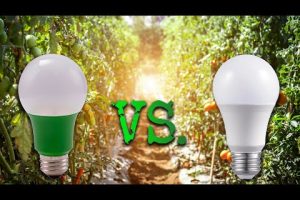
Standard incandescent or LED household bulbs lack the specific wavelength balance that plants need for healthy growth. While some plants can survive under ambient room lighting, they will grow leggy and produce poorly without dedicated grow lights that deliver sufficient blue and red spectrum photons.
How many hours per day should grow lights be on?
Most indoor plants thrive under 12–16 hours of light per day. For vegetative growth, an 18/6 cycle (18 hours on, 6 hours off) is standard. For flowering plants, a 12/12 photoperiod triggers bloom development. Always provide at least 6 hours of uninterrupted darkness, as plants use this dark period for critical metabolic processes.
Do full-spectrum LED grow lights replace sunlight effectively?
High-quality full-spectrum LED grow lights can effectively replace sunlight for indoor cultivation. They deliver the complete range of wavelengths plants use for photosynthesis, including the critical blue and red bands. When paired with proper intensity (PPFD), duration, and photoperiod management, LED grow lights can produce results that match or even exceed outdoor growing under certain conditions.
Conclusion
Choosing good grow lights is one of the most impactful decisions you can make for your indoor garden. From understanding PAR metrics and spectrum requirements to selecting the right fixture type and positioning for your space, every detail matters. Whether you are a beginner exploring your first herb garden or a seasoned grower optimizing a commercial operation, investing in quality lighting — particularly modern full-spectrum LED panels — pays dividends in healthier plants, higher yields, and greater growing consistency. Use the guidelines, comparison tables, and expert tips in this article to make an informed decision, and your indoor garden will reward you with vigorous, thriving plants season after season.