Electricity conservation is far more than a trendy buzzword—it is a critical practice that directly impacts your monthly utility bills, your household’s environmental footprint, and the long-term stability of energy grids around the world. Whether you are a homeowner looking to trim expenses, a renter curious about sustainable living, or a business operator exploring energy efficiency strategies, understanding the real facts behind electricity conservation can transform the way you think about power consumption. The data is compelling, the methods are accessible, and the benefits extend well beyond simply flipping a switch off. In this comprehensive guide, we will walk you through the most important electricity conservation facts, practical strategies, and expert insights that will help you make smarter energy decisions every single day.
Why Electricity Conservation Matters More Than Ever
The global demand for electricity has surged dramatically over the past few decades, driven by population growth, increased digital connectivity, and the proliferation of electronic devices in everyday life. According to the International Energy Agency, global electricity consumption is projected to rise by more than 50 percent by 2050 if current trends continue unchecked. This growing appetite for power puts immense strain on fossil fuel resources, accelerates greenhouse gas emissions, and heightens the risk of rolling blackouts during peak demand periods. Electricity conservation serves as the first line of defense against these interconnected challenges. By reducing unnecessary consumption at the individual and community level, households and businesses can ease the burden on power plants, lower carbon emissions, and contribute to a more resilient energy infrastructure.
Many people assume that large-scale industrial changes are the only way to make a meaningful difference. In reality, residential and commercial electricity use accounts for a significant share of total consumption in most countries. This means that everyday decisions—like upgrading to efficient lighting or adjusting thermostat settings—carry enormous collective weight. Understanding this reality is the foundation of effective energy stewardship.
Surprising Electricity Conservation Facts You Should Know
You may already know that turning off lights saves energy, but the deeper facts about electricity conservation reveal just how impactful small changes can be. Here are some of the most eye-opening statistics and insights that every consumer should be aware of:

- Phantom loads drain up to 10 percent of household electricity. Devices in standby mode—such as televisions, chargers, and gaming consoles—continue drawing power even when turned off. This phenomenon, known as vampire energy or phantom load, can cost the average American household between $100 and $200 per year.
- LED bulbs use up to 80 percent less energy than traditional incandescent bulbs. Switching a single incandescent bulb to an LED equivalent saves roughly 75 watts per hour, which adds up significantly over thousands of hours of use.
- A refrigerator manufactured before 2001 can consume twice as much electricity as a modern Energy Star-rated model. Upgrading an old refrigerator is one of the single highest-impact electricity conservation moves a household can make.
- Heating and cooling account for approximately 50 percent of total home energy use. This makes HVAC systems the largest single contributor to residential electricity consumption in most climates.
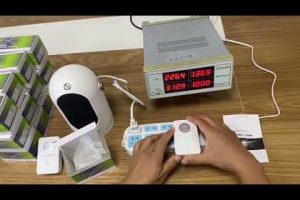
- Smart power strips can reduce standby power consumption by up to 75 percent. These devices automatically cut power to connected electronics when they enter standby mode.
The Hidden Cost of Idle Electronics
One of the most overlooked electricity conservation facts involves devices that draw power continuously throughout the day. A typical home might have 20 or more electronics plugged in at any given time, each contributing a small but cumulative drain. Over the course of a year, this idle consumption can exceed the energy used by some household appliances during active operation. The good news is that addressing phantom loads is simple, inexpensive, and delivers immediate savings on your electricity bill.
The Science Behind Saving Electricity
At its core, electricity conservation is rooted in the principles of energy efficiency—the practice of achieving the same output while using less input. In electrical terms, this means reducing wattage without sacrificing performance or comfort. Modern appliances are designed with advanced components like inverter compressors, variable-speed motors, and precision sensors that optimize energy use in real time. When you understand the science, it becomes clear that conservation is not about sacrificing convenience; it is about leveraging smarter technology and better habits to waste less.
Key concepts that underpin effective electricity conservation include:
- Power factor optimization: Reducing the gap between real power and apparent power in electrical systems, particularly in commercial and industrial settings.
- Load shifting: Moving energy-intensive tasks—such as running dishwashers or laundry machines—to off-peak hours when electricity demand and rates are lower.
- Thermal efficiency: Minimizing heat loss in buildings through insulation, weatherstripping, and energy-efficient windows, which reduces the electricity needed for heating and cooling.
- Demand-side management: Coordinating energy use across multiple consumers to flatten peak demand curves and reduce stress on the grid.
Each of these strategies represents a different layer of electricity conservation, from individual appliance choices to community-wide behavioral shifts. The more layers you adopt, the greater your cumulative impact.
Practical Electricity Conservation Tips for Every Homeowner
Implementing electricity conservation in your daily life does not require a complete overhaul of your home or lifestyle. Here are actionable tips organized by effort level and impact:
Beginner-Level Strategies
- Turn off lights when leaving a room.
- Unplug phone chargers and small appliances when not in use.
- Use natural daylight during daytime hours whenever possible.
- Set your thermostat to a comfortable but moderate temperature—around 68°F in winter and 78°F in summer.
Intermediate-Level Strategies
- Replace all incandescent bulbs with LED alternatives throughout your home.
- Install a programmable or smart thermostat to automate temperature adjustments.
- Seal air leaks around windows, doors, and ductwork with weatherstripping or caulking.
- Run dishwashers and washing machines only with full loads and use cold water settings when possible.
Advanced-Level Strategies
- Upgrade to Energy Star-certified appliances, including refrigerators, washing machines, and HVAC systems.
- Install solar panels or participate in community solar programs to offset grid electricity use.
- Conduct a professional home energy audit to identify specific inefficiencies and prioritize upgrades.
- Invest in smart power strips and energy monitoring devices to track real-time consumption patterns.
Comparing Energy-Saving Methods: What Works Best?
Not all electricity conservation methods deliver the same return on investment. The table below compares common strategies by estimated annual savings, upfront cost, and ease of implementation:
| Conservation Method | Est. Annual Savings | Upfront Cost | Ease of Implementation |
| Switching to LED bulbs | $50–$100 | Low ($20–$50) | Very Easy |
| Installing a smart thermostat | $100–$150 | Medium ($100–$250) | Easy |
| Sealing air leaks and adding insulation | $150–$300 | Medium ($100–$500) | Moderate |
| Upgrading to Energy Star appliances | $100–$200 per appliance | High ($500–$2,000) | Requires Replacement |
| Installing rooftop solar panels | $600–$1,500 | High ($10,000–$25,000) | Complex (requires professional installation) |
As the comparison shows, some of the most effective electricity conservation measures—like LED upgrades and smart thermostats—require minimal investment while delivering significant savings over time. This makes them ideal starting points for households at any level of experience with energy management.
Frequently Asked Questions
What are the most effective electricity conservation facts for reducing monthly bills?
The most impactful strategies include switching to LED lighting, sealing air leaks, using a programmable thermostat, and eliminating phantom loads from idle electronics. Combining these methods can reduce a typical household’s electricity consumption by 20 to 30 percent, translating to meaningful savings on monthly utility bills.
How does electricity conservation benefit the environment?
Reducing electricity demand directly decreases the amount of fossil fuels burned at power plants, which lowers carbon dioxide and other greenhouse gas emissions. Over time, widespread electricity conservation contributes to cleaner air, reduced water usage in energy production, and slower depletion of finite natural resources.

What is phantom load, and how can I reduce it?
Phantom load refers to the electricity consumed by devices that remain plugged in but are in standby or off mode. To reduce phantom load, use smart power strips that automatically cut power to connected devices, unplug chargers when not in use, and choose electronics with low standby power ratings.
Are electricity conservation methods cost-effective for renters?
Absolutely. Renters can implement low-cost or no-cost conservation strategies such as using LED bulbs (which often stay with the apartment), adjusting thermostat settings, unplugging unused devices, and using smart power strips. Many of these methods require no permanent modifications to the property and still deliver noticeable savings.
What role do smart home devices play in electricity conservation?
Smart home devices—including smart thermostats, energy monitors, and automated lighting systems—provide real-time data and automated controls that optimize energy use. These technologies make electricity conservation effortless by learning your habits, adjusting settings automatically, and identifying waste patterns you might not notice manually.
Can electricity conservation actually make a difference on a large scale?
Yes. When millions of households and businesses adopt conservation practices, the aggregate effect is enormous. Grid operators rely on demand-side conservation to manage peak loads, reduce the need for new power plant construction, and integrate renewable energy sources more effectively. Individual actions, scaled across communities, drive systemic change.
Conclusion
Electricity conservation is not a single action—it is a mindset that combines awareness, smart technology, and consistent habits to reduce energy waste and maximize efficiency. The electricity conservation facts presented in this article demonstrate that even small changes, when practiced consistently, yield significant financial and environmental rewards. From the beginner-friendly habit of turning off lights to advanced investments like solar panels and energy audits, there is a conservation strategy suitable for every household and budget. The path to a more energy-efficient life starts with understanding where your electricity goes and making intentional choices to use less of it. By embracing these practices today, you protect your wallet, support a cleaner planet, and help build a more sustainable energy future for generations to come.