


A color changing LED bulb has completely transformed the way we think about lighting in homes, offices, and commercial spaces. Gone are the days when a light bulb simply served one purpose: to illuminate a room. Today’s smart lighting solutions offer dynamic color options, seamless app control, and the ability to set the perfect mood for any occasion. Whether you are looking to create a relaxing ambiance in your living room, add vibrant energy to a party setup, or enhance productivity in a workspace, a color changing LED bulb delivers unmatched versatility and creative freedom.
In this comprehensive guide, we will explore everything you need to know about RGB and multi-color LED technology, from understanding how these bulbs work to selecting the best option for your specific needs. We will cover types, benefits, compatibility considerations, expert installation tips, and practical recommendations that will help you make an informed purchase decision with confidence.
What Is a Color Changing LED Bulb?

A color changing LED bulb is an advanced lighting fixture that combines multiple LED chips — typically red, green, and blue — inside a single bulb housing. By mixing these primary colors at varying intensities, the bulb can produce millions of different shades and hues. This technology, commonly known as RGB (Red, Green, Blue), allows users to shift between colors dynamically through a remote control, a smartphone app, or built-in automation features.
Unlike traditional incandescent bulbs that emit a fixed warm or cool white light, color changing LED bulbs give you full creative control over your lighting environment. Many models also support adjustable white temperature ranges, allowing you to transition from a soft warm glow to a crisp daylight tone without switching bulbs or rewiring your fixtures.
How Do RGB LED Bulbs Work?
The internal architecture of a color changing LED bulb is surprisingly sophisticated. Each bulb contains three separate LED dies — one red, one green, and one blue — mounted on a shared circuit board. A microcontroller regulates the electrical current flowing through each die, determining the brightness level of each color channel independently. By blending these three channels, the bulb produces the desired output color across the entire visible spectrum.
Some premium models extend beyond basic RGB by adding a fourth white LED chip, creating RGBW technology. This additional white diode produces cleaner, more accurate whites and expands the overall color gamut. The result is smoother gradients, better skin tones in well-lit rooms, and more realistic pastel shades that standard RGB bulbs often struggle to reproduce.
Types of Color Changing LED Bulbs
Not all color shifting bulbs are created equal. Understanding the different categories available will help you narrow down your options.
- Standard RGB LED Bulbs — The most common type, offering roughly 16 million colors. They work with standard E26 or E27 screw-in sockets and are compatible with most household fixtures without requiring additional hardware.
- RGBW LED Bulbs — Featuring an added white LED chip, these bulbs deliver superior white light quality alongside rich color output. They are ideal for living rooms, bedrooms, and areas where neutral lighting quality matters.
- RGBIC LED Bulbs — Standing for Red, Green, Blue, Independent Control, these advanced bulbs can display multiple colors simultaneously within a single fixture. Each segment operates independently, enabling complex patterns and dynamic effects.
- Smart Color Changing Bulbs — Wi-Fi or Bluetooth-enabled bulbs that integrate with ecosystems like Google Home, Amazon Alexa, Apple HomeKit, or Samsung SmartThings. These allow voice control, scheduling, scene creation, and music synchronization.
- Dimmable Color LED Bulbs — Designed for environments where brightness control is essential, these bulbs let you dim colors and white light, creating subtle mood transitions throughout the day.
Benefits of Using Color Changing LED Bulbs
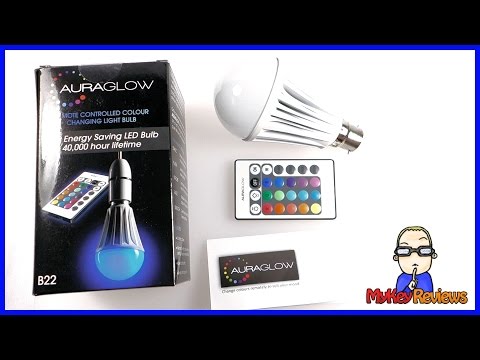
The advantages of switching to a tunable, multi-color lighting solution extend far beyond aesthetics. Here is why homeowners and business owners are making the switch.
- Energy Efficiency: LED technology consumes up to 80% less electricity than traditional incandescent bulbs while lasting up to 25,000 hours. A color changing LED bulb uses even less power when displaying darker colors, since fewer LED channels are active at full intensity.
- Mood Enhancement: Research in environmental psychology suggests that lighting color and temperature significantly impact mood, focus, and relaxation. Warm tones promote calmness, while cooler, brighter colors boost alertness and concentration in workspaces.
- Long-Term Cost Savings: Although the upfront cost of a smart color bulb may be higher than a standard bulb, the combination of long lifespan and low energy consumption means significant savings on electricity bills and replacement costs over time.
- Versatility and Customization: With thousands of color options and programmable scenes, you can transform a room’s atmosphere in seconds — from a cozy dinner setting to an energetic game night setup.
- Smart Home Integration: Modern color changing bulbs sync seamlessly with broader smart home ecosystems, enabling automation routines, voice commands, and remote control from anywhere in the world.
How to Choose the Right Color Changing LED Bulb
Selecting the best color changing LED bulb requires evaluating several key factors to ensure compatibility, performance, and value for money.
Consider the Socket Type and Compatibility
Before purchasing, verify the socket type of your existing fixtures. The vast majority of residential bulbs use the standard E26 (North America) or E27 (Europe and international) screw-in base. Always check the fixture specifications to avoid compatibility issues.
Evaluate Color Range and CRI
The Color Rendering Index (CRI) measures how accurately a light source reproduces colors compared to natural sunlight. Look for bulbs with a CRI rating of 80 or above for vibrant, true-to-life colors. Bulbs with a CRI of 90 or higher deliver exceptional color fidelity, which matters for photography, art display, and interior design applications.

Smart Features vs. Standalone Control
If you already invest in a smart home ecosystem, prioritize bulbs that support your preferred platform — Alexa, Google Assistant, or Apple HomeKit. For simpler setups, bulbs with a dedicated remote control or Bluetooth app offer a cost-effective alternative without requiring a hub.
Brightness and Dimming Capabilities
Measured in lumens, brightness is a critical specification. For general room lighting, aim for 800 lumens or higher (equivalent to a 60-watt incandescent). If you plan to use the bulb for accent lighting or mood settings, a dimmable model with a wide brightness range provides the most flexibility.
Color Changing LED Bulb Comparison
The table below compares the most popular categories of color changing LED bulbs across key performance metrics to help you make an informed side-by-side evaluation.
| Type | Color Channels | CRI Range | Lifespan | Smart Compatible | Price Range |
| Standard RGB | 3 (RGB) | 70–80 | 15,000–20,000 hrs | No (remote only) | $8–$15 |
| RGBW | 4 (RGB + White) | 80–90 | 20,000–25,000 hrs | Select models | $12–$25 |
| Smart RGBW | 4 (RGB + White) | 80–95 | 15,000–25,000 hrs | Yes (Wi-Fi/BT) | $15–$45 |
| RGBIC Multi-Zone | Multiple independent | 80–90 | 20,000–30,000 hrs | Yes (app) | $20–$50 |
The price differences reflect the number of LED chips, build quality, smart connectivity hardware, and brand reputation. For the best value, an RGBW smart bulb in the $15–$25 range offers an excellent balance of features, durability, and color performance for most households.
Installation and Smart Integration Tips
Installing a color changing LED bulb is as simple as screwing it into a standard socket and powering it on. However, getting the most out of your smart lighting setup requires a few strategic decisions.
- Place Your Hub or Router Nearby: If your bulbs connect via Wi-Fi or a dedicated hub, ensure your wireless signal reaches the fixture location. Weak connectivity leads to laggy responses and dropped commands.
- Create Lighting Scenes and Schedules: Most smart lighting apps let you save preset scenes — such as “Movie Night,” “Focus Mode,” or “Morning Wake-Up.” Programming these scenes saves time and ensures consistent ambiance.
- Use Color Temperature Wisely: Reserve warmer temperatures (2700K–3000K) for bedrooms and living areas where relaxation is the goal. Use cooler temperatures (4000K–5000K) for kitchens, offices, and study spaces.
- Avoid Overloading Circuits: Although LED bulbs draw minimal current, connecting too many smart bulbs on one circuit with a dimmer switch can cause flickering. Check your fixture’s maximum rating beforehand.
- Keep Firmware Updated: Smart bulbs periodically receive firmware updates that improve performance and add new features. Enable automatic updates in your app settings to keep bulbs running at peak efficiency.
Frequently Asked Questions
Can I use a color changing LED bulb in any standard light fixture?
Yes, most color changing LED bulbs use standard E26 or E27 screw-in bases, making them compatible with virtually any household lamp, pendant, or fixture. Just verify the socket type and maximum wattage rating on your fixture before installation. Enclosed fixtures may trap heat, so opt for bulbs rated for enclosed use if you plan to install them in recessed or globe-style housings.
Do color changing LED bulbs consume more electricity than regular LED bulbs?
Not significantly. While an RGB bulb uses slightly more energy than a single-color LED because it has three or four chips, the difference is negligible in practice. A typical smart RGB bulb consumes between 7 and 10 watts at full brightness, compared to 9–12 watts for a standard LED equivalent. Choosing energy-efficient models from reputable brands will keep your power consumption minimal.
Are smart color changing bulbs worth the investment?
For most households, yes. The ability to control color, brightness, and scheduling through a smartphone or voice assistant adds convenience, enhances ambiance, and can contribute to energy savings when paired with automation routines. If you already have a smart home setup, integrating color changing bulbs is one of the most impactful upgrades you can make.
How long do color changing LED bulbs typically last?
Most quality color changing LED bulbs have a rated lifespan of 15,000 to 25,000 hours, which translates to approximately 15 to 25 years of average daily use at three hours per session. Factors like frequent switching, high ambient temperatures, and voltage fluctuations can shorten this lifespan, so choosing bulbs with good thermal management is a wise decision.
Can I sync color changing LED bulbs with music or media?
Many smart color changing bulbs support music synchronization through companion apps. The built-in microphone detects beats and audio frequencies, adjusting colors in real time to match rhythm. This feature is popular for parties, gaming setups, and home theater environments where immersive lighting enhances the experience.
Conclusion
A color changing LED bulb represents far more than a simple upgrade to your home lighting — it is a gateway to a fully customizable, energy-efficient, and intelligent illumination system. From RGB and RGBW chip technology to practical considerations like socket compatibility, smart integration, and color rendering quality, this guide has covered the essential knowledge needed to confidently select and use these versatile bulbs. By investing in the right color changing LED technology, you gain the power to reshape any space, set the perfect mood for every occasion, and enjoy years of reliable, beautiful lighting with minimal maintenance and effort.