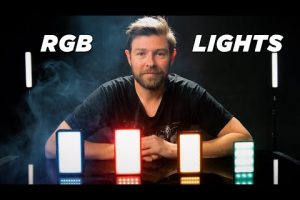
When you are shooting photos or recording video, lighting can make or break your final result. A LED light for camera is one of the most versatile and practical tools a photographer or videographer can own. Unlike traditional tungsten or fluorescent lights, modern LED panels and LED video lights offer adjustable color temperatures, low power consumption, and exceptional durability. Whether you are a beginner capturing family moments on a smartphone or a professional filmmaker lighting a cinematic scene on a DSLR or mirrorless camera, understanding how to choose and use the right LED light can transform your content. This guide covers everything you need to know about selecting, setting up, and mastering LED camera lights for stunning visual results.
What Is LED Light for Camera and Why It Matters
An LED light for camera refers to any light-emitting diode-based illumination source designed to work alongside cameras for photography, videography, streaming, or content creation. These lights have largely replaced older lighting options because they produce minimal heat, offer flicker-free operation, and provide consistent color rendering. Color temperature is one of the most critical specifications — most LED camera lights allow you to shift between warm and cool tones, typically ranging from 2700K to 6500K. This flexibility means you can match ambient lighting or create a specific mood without swapping bulbs or gels.
The importance of proper lighting extends beyond just visibility. Lighting directly affects skin tones, shadow depth, contrast ratios, and overall image sharpness. A well-lit subject looks more natural, professional, and visually appealing. In video production, inconsistent lighting causes banding, flicker, and color cast issues that are extremely difficult to fix in post-production. This is why investing in a quality camera LED light is one of the highest-return decisions any content creator can make.
How LED Video Lights Work in Photography and Filmmaking
LEDs produce light by passing an electric current through a semiconductor material, which emits photons. Modern camera LED lights use COB (Chip-on-Board) or SMD (Surface-Mounted Device) LED arrays to generate bright, even illumination. COB LEDs are particularly popular in the filmmaking world because they produce a concentrated, smooth beam with minimal hotspots. SMD LEDs are commonly found in smaller, more portable panels designed for vlogging and on-camera use.

Most professional LED lights for cameras also include a diffusion layer or frost filter that softens the light output, reducing harsh shadows and creating a more natural look. Some advanced models incorporate CRI (Color Rendering Index) ratings of 95 or above, meaning the light accurately reproduces colors as the human eye perceives them. For anyone serious about visual quality, a high CRI rating should be non-negotiable.
Types of LED Lights for Camera Use
Not all LED lights are created equal, and choosing the right type depends on your shooting scenario, budget, and gear. Here are the most common categories:
- On-Camera LED Panels: Compact, lightweight units that mount directly onto the camera’s hot shoe or accessory rail. Ideal for vloggers, run-and-gun journalists, and travel photographers.
- LED Video Panels: Larger, flat panels designed for desk setups, interview setups, or studio work. Often include dimming controls, color temperature adjustments, and rechargeable batteries.
- LED Tube Lights: Flexible, tubular LED strips or rigid tubes used for accent lighting, background illumination, or creative lighting effects in video production.
- LED Ring Lights: Circular lights that surround the camera lens, producing even, shadowless illumination. Popular for beauty shots, product photography, and social media content.
- COB LED Lights: High-intensity, focused lights used in professional film sets, interviews, and studio environments where brightness and light quality are paramount.
- LED Softboxes and Panels with Diffusers: Combine LED light sources with softbox or umbrella accessories to create broad, flattering light for portraits and close-ups.

Key Features to Consider When Choosing a Camera LED Light
With so many options available, narrowing down your choice can be overwhelming. Here are the essential features you should evaluate before purchasing an LED light for camera:
- Brightness (Lumens): Measure the light output in lumens. For outdoor or large-room shooting, look for at least 1000–3000 lumens. For close-up work and interviews, 300–1000 lumens may be sufficient.
- Color Temperature Range: A wider range (2700K–6500K or beyond) gives you more creative control and allows you to adapt to various lighting environments.
- CRI and TLCI: A CRI of 90 or higher ensures natural-looking colors. TLCI (Television Lighting Consistency Index) is especially relevant for video work.
- Power Source: Rechargeable lithium-ion batteries, USB-C charging, or standard AC adapters — choose based on your shooting location and runtime needs.
- Dimming and Controls: Smooth dimming from 0–100% and intuitive controls (dial, app, or remote) make on-set adjustments fast and precise.
- Size and Weight: For handheld or on-camera use, portability is key. For studio setups, larger panels with higher output are more appropriate.
- Mounting Options: Check for standard 1/4-inch or 3/8-inch threaded mounts, magnetic bases, or cold shoe adapters that fit your camera setup.
Best LED Lights for Camera: Comparison Table
| Product | Type | Brightness | CRI | Best For |
| Aputure MC Pro | On-Camera Panel | 160 lumens | 96+ | Travel and vlogging |
| Godox SL-60W | COB LED Light | 60W equivalent | 95+ | Studio portraits and interviews |
| Elgato Key Light | LED Panel | Adjustable dimming | 95+ | Streaming and desk setups |
| Neewer 660 LED Panel | LED Video Panel | 1320 lumens | 95+ | Budget-friendly video lighting |
| Nanlite Forza 60B | COB LED | 60W equivalent | 95+ | Professional filmmaking |
| Lume Cube Panel Pro | On-Camera LED | 1200 lumens | 95+ | Hybrid photography and video |
This comparison table highlights a range of options across price points and use cases. The Aputure MC Pro is a pocket-sized powerhouse perfect for creators who need a lightweight, portable option. The Godox SL-60W and Nanlite Forza 60B are excellent choices for studio work where maximum brightness and light quality matter. Budget-conscious creators will find the Neewer 660 LED Panel to be a solid performer that punches well above its price point.

Practical Tips for Using LED Camera Lights
Having the right LED light for camera is only half the battle — knowing how to use it effectively makes all the difference. Here are expert tips that apply across skill levels:
- Position your light at a 45-degree angle to the subject for a natural, flattering look. This creates gentle shadows that add depth without being harsh.
- Use diffusion whenever possible. Even the best LED panels can produce unflattering hotspots without a softbox, diffusion panel, or sheer fabric filter.
- Match your light’s color temperature to the ambient light. If you are shooting in a room with warm indoor lighting, set your LED panel to around 3200K to avoid mixed color casts.
- Control spill light. Use barn doors, flags, or black wrap to prevent light from hitting backgrounds or reflective surfaces you do not want illuminated.
- Layer your lighting. Combine a key light, fill light, and backlight for a three-point lighting setup that adds dimension and professional quality to your footage.
- Watch for flicker. When shooting video, always match your LED light’s frequency to your camera’s frame rate and shutter speed to avoid flickering in the final clip.
Common Mistakes to Avoid
Even experienced creators sometimes make lighting mistakes that drag down their footage. One of the most common errors is over-lighting the subject, which flattens textures and removes natural dimension. Another mistake is ignoring color temperature mismatches — mixing daylight LED panels with tungsten ambient light creates ugly color casts that are time-consuming to correct in editing. Additionally, many beginners place the LED light directly behind the camera, which produces flat, shadowless images that look artificial and uninteresting.
Another overlooked issue is power management. Running high-brightness LED lights for extended periods can drain batteries quickly or cause overheating in enclosed setups. Always monitor your battery levels and choose models with built-in thermal protection for long shooting sessions.
Conclusion
An LED light for camera is an indispensable tool for anyone serious about producing high-quality visual content. From compact on-camera panels for vloggers to powerful COB lights for professional filmmakers, the modern LED lighting market offers solutions for every budget and skill level. By understanding the key features — brightness, color temperature, CRI, and mounting flexibility — you can make an informed purchase that elevates your work immediately. Combine the right LED light with solid positioning, diffusion, and layered lighting techniques, and you will notice an immediate improvement in the professionalism and visual impact of your photos and videos.
Start with one reliable LED panel, practice different lighting setups, and gradually build your lighting kit as your skills and projects grow. The investment pays dividends in every frame you capture.
Frequently Asked Questions
What is the best LED light for camera for beginners? For beginners, the Neewer 660 LED Panel or the Elgato Key Light are excellent starting points. They offer adjustable brightness and color temperature at affordable price points, making them ideal for learning lighting fundamentals without a significant investment. These lights also connect easily to cameras, tripods, or desk setups, giving new creators room to experiment.
How do I choose the right brightness for my LED camera light? Consider your primary shooting environment. If you film indoors in small rooms, 300–1000 lumens is usually sufficient. For outdoor shoots or larger spaces, look for 1000–3000 lumens or more. A useful rule of thumb is that higher lumens give you more flexibility to adjust brightness down, while low-output lights may be too dim to compensate for bright ambient sunlight.
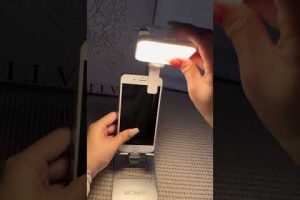
Can I use an LED light for camera on a smartphone? Absolutely. Many compact LED panels and ring lights are designed specifically for smartphones. Look for lights with adjustable color temperature and brightness, and consider a light with a phone mount or clip for easy attachment. The key is to position the light at an angle that reduces harsh shadows on your face while keeping the screen visible and glare-free.
What CRI rating should I look for in a camera LED light? A CRI of 90 or above is recommended for most photography and video work. If you are shooting subjects with diverse skin tones or products where color accuracy matters — such as food photography or makeup tutorials — aim for a CRI of 95 or higher. This ensures that colors appear natural and true to life under your LED lighting.
How do I prevent flicker when shooting video with LED lights? Flicker occurs when the LED light’s frequency does not synchronize with your camera’s frame rate. To prevent this, match your light’s frequency settings to your shooting parameters: use a 50Hz light for 25fps or 50fps, and a 60Hz light for 30fps or 60fps. Many modern LED camera lights include an auto-sync or flicker-free mode that eliminates this issue automatically.