Upgrading your vehicle’s lighting system is one of the most impactful changes you can make, both for visibility and aesthetics. Automotive LED bulbs have revolutionized the way drivers illuminate the road, replacing outdated halogen and incandescent technology with superior alternatives that deliver exceptional brightness, energy efficiency, and longevity. Whether you are searching for the best H11 LED bulb, exploring 9005 LED headlight upgrades, or simply looking for a reliable LED fog light replacement, understanding what makes automotive LED bulbs stand out is essential before making your purchase. This comprehensive guide dives deep into everything you need to know about automotive LED bulbs — from the different types and benefits to installation tips, compatibility considerations, and expert recommendations.
What Are Automotive LED Bulbs?
Automotive LED bulbs are light-emitting diode-based replacements designed specifically for vehicles. Unlike traditional halogen bulbs that rely on a heated filament to produce light, LED bulbs generate illumination through semiconductor technology. This fundamental difference results in significantly higher efficiency, lower power consumption, and dramatically longer lifespans. The automotive LED bulb market has exploded in recent years, with options now available for headlights, fog lights, tail lights, turn signals, dashboard indicators, and interior cabin lighting.
When people search for terms like “LED bulbs for cars,” “car LED bulb replacement,” or “vehicle LED lighting upgrade,” they are looking for solutions that outperform factory-installed halogen units. Modern automotive LED bulbs can produce between 3,000 and 12,000 lumens per bulb, far exceeding the typical 700 to 1,200 lumens emitted by standard halogen alternatives. This massive improvement in luminous output is why LED conversion kits have become so popular among car enthusiasts and daily drivers alike.
Types of Automotive LED Bulbs
Not all LED bulbs serve the same purpose. Understanding the different categories of automotive LED bulbs ensures you select the correct replacement for each lighting application in your vehicle.
Headlight LED Bulbs
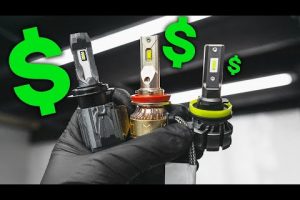
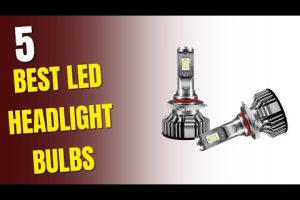
Headlight LED bulbs are the most sought-after automotive LED bulbs on the market. Popular base types include H1, H4 (9003), H7, H11, 9005 (HB3), and 9006 (HB4). High-quality headlight LED bulbs feature precision-engineered reflectors or lens designs that focus the light beam correctly, minimizing glare for oncoming traffic while maximizing road illumination. When shopping for headlight LED bulbs, look for models with integrated heat sinks, fan cooling systems, or aluminum housings that manage thermal dissipation effectively.
Fog Light LED Bulbs
LED fog light bulbs are designed to cut through fog, rain, and snow with a wide, flat beam pattern. Common sizes include H11, H8, H9, 5202, and H3. These automotive LED bulbs typically feature a lower color temperature around 4,300K to 5,000K, which provides better penetration in adverse weather conditions compared to cooler 6,500K or higher color temperatures.
Tail Light and Signal LED Bulbs
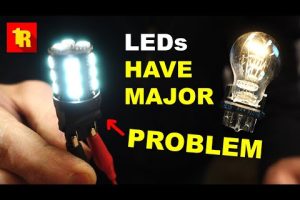
Tail light and turn signal LED bulbs replace the single filament found in traditional automotive bulbs with multiple diodes arranged for 360-degree visibility. Popular replacements include the P21W, 7440, 7443, 3157, and 4057 base types. These LED bulbs for cars illuminate faster than incandescent filaments, giving following drivers an additional fraction of a second of reaction time — a meaningful safety advantage.
Interior and Dome LED Bulbs
Interior automotive LED bulbs include map lights, courtesy lights, and dashboard illumination. Common sizes are T10, W5W, 158, and 194. These bulbs prioritize even, flicker-free illumination and are available in various color temperatures to customize your vehicle’s cabin ambiance.
Benefits of Upgrading to Automotive LED Bulbs
The advantages of switching from halogen to LED lighting extend far beyond just brightness. Here are the key benefits that make automotive LED bulbs the preferred choice for modern vehicles:
- Superior Brightness and Beam Quality — Automotive LED bulbs produce significantly more lumens per watt than halogen alternatives, delivering sharper, whiter light that improves nighttime driving visibility.
- Energy Efficiency — LED bulbs consume approximately 70% to 80% less power than halogen bulbs, reducing the load on your vehicle’s electrical system and minimizing alternator strain.
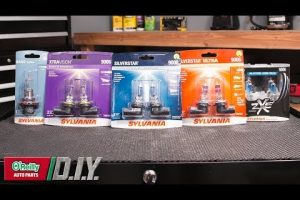
- Extended Lifespan — A quality automotive LED bulb can last between 30,000 and 50,000 hours, compared to roughly 500 to 1,000 hours for a standard halogen bulb. This means fewer replacements and lower long-term maintenance costs.
- Instant Illumination — LEDs reach full brightness instantly, unlike halogens that require a warm-up period. This rapid response is critical for brake lights and turn signals.
- Durability — With no fragile filament, LED bulbs are resistant to vibrations, shocks, and impacts, making them ideal for off-road vehicles and rough terrain driving.
- Aesthetic Appeal — The crisp white or cool daylight color temperature of automotive LED bulbs gives modern vehicles a distinctive, premium look that enhances both the exterior and interior appearance.
How to Choose the Right Automotive LED Bulb
Selecting the correct LED bulb for your vehicle requires more than matching the base type. Several factors determine whether an automotive LED bulb will deliver optimal performance in your specific application.
- Base Compatibility: Always verify the bulb base matches your vehicle’s socket. Common bases include H1, H7, H11, 9005, 9006, H4, and various wedge bases.
- Lumens Output: For headlight applications, aim for 3,000 to 6,000 lumens per bulb for a balanced beam. Higher-output bulbs may cause blinding glare without proper beam shaping.
- Color Temperature: 4,300K to 5,500K offers the best combination of brightness and visibility. Avoid 8,000K and above for primary driving lights, as they produce a blue tint that reduces effective illumination.
- Heat Management: Look for bulbs with aluminum heat sinks, active fan cooling, or thermally conductive housings. Poor thermal management is the leading cause of LED bulb failure.
- CAN-Bus Compatibility: Many modern vehicles use CAN-bus systems that monitor bulb status. Non-CAN-bus-compatible automotive LED bulbs may trigger error messages or hyperflashing on turn signals. Error-free LED bulbs with integrated resistors solve this problem.
- DOT and ECE Certification: For street-legal compliance, choose automotive LED bulbs that meet Department of Transportation or Economic Commission for Europe lighting standards.
Automotive LED Bulb Comparison

The table below compares popular automotive LED bulb types based on key performance metrics to help you make an informed decision.
| Bulb Type | Typical Lumens | Color Temp Range | Avg Lifespan | Common Use |
| H11 LED | 4,000 – 6,000 lm | 4,300K – 6,500K | 30,000+ hrs | Headlights & Fog Lights |
| 9005 LED | 5,000 – 12,000 lm | 4,300K – 6,000K | 30,000+ hrs | High Beam Headlights |
| H4 (9004) LED | 6,000 – 10,000 lm | 4,300K – 6,000K | 30,000+ hrs | Dual Filament Headlights |
| H1 LED | 3,500 – 5,500 lm | 4,300K – 6,500K | 30,000+ hrs | Headlights |
| P21W LED | 200 – 400 lm | 3,000K – 6,500K | 30,000+ hrs | Tail & Signal Lights |
| T10 Wedge LED | 100 – 300 lm | 3,000K – 6,500K | 30,000+ hrs | Interior & Dome Lights |
Installation Tips and Common Mistakes
Installing automotive LED bulbs is generally straightforward, but several mistakes can compromise performance or even cause damage to your vehicle’s electrical system.

- Always disconnect the battery before installation. Working on a live electrical system risks short circuits and potential damage to your vehicle’s wiring harness or onboard computer modules.
- Handle bulbs with gloves or a clean cloth. Oils from your skin can create hot spots on the LED diode surface, leading to premature failure and reduced light output.
- Do not force the bulb into the socket. If the base does not fit easily, double-check the bulb type. Forcing an incorrect bulb can damage the socket or the LED driver circuit board.
- Ensure proper beam alignment after installation. Even the best automotive LED bulbs will cause glare if they are not seated correctly in the reflector housing. Test the beam pattern on a wall before driving at night.
- Use anti-flicker adapters or resistors when needed. Many vehicles, especially European models like BMW, Audi, Mercedes-Benz, and Volkswagen, require CAN-bus decoders to prevent error messages and flickering.
- Check local regulations before upgrading headlights. Some jurisdictions restrict aftermarket headlight bulb types and brightness levels. Always ensure your LED bulbs meet local DOT or ECE compliance standards.
Are Automotive LED Bulbs Street Legal?
This is one of the most frequently asked questions in the automotive lighting community. The short answer is: it depends on the specific bulb and your local regulations. In the United States, DOT-approved LED bulbs that meet Federal Motor Vehicle Safety Standard (FMVSS) No. 108 are street legal for most applications. In Europe, ECE-certified LED bulbs carry the regulatory stamp for road use. However, many aftermarket LED bulbs marketed as high-performance upgrades do not carry DOT or ECE certification, making their street legality ambiguous. Always check your local laws and verify certification markings on the bulb packaging before purchasing.
Frequently Asked Questions
What is the best automotive LED bulb for H4 headlight conversion?
The H4 (9004/9003) dual-filament LED bulb category has matured significantly in recent years. Top-performing options from brands like BeamTech, Auxbeam, and MIGHTEU feature built-in intelligent driver modules, fan-cooled aluminum heat sinks, and optimized reflector compatibility. When choosing an H4 LED bulb, prioritize models with a balanced low beam and high beam output, a color temperature around 5,000K to 5,500K for maximum visibility, and CAN-bus compatibility to avoid error codes on vehicles with bulb-monitoring systems.
Can I replace halogen bulbs with LED bulbs in any vehicle?
In most cases, yes — you can swap halogen bulbs for LED equivalents as long as you match the base type correctly. However, certain vehicles with projector lens housings, adaptive headlight systems, or integrated wiring harnesses may require additional adapters or modifications. Always verify compatibility with your vehicle’s make, model, and year before purchasing an LED conversion kit.
Why do my LED bulbs flicker after installation?
Flickering is the most common issue when installing automotive LED bulbs and is almost always caused by a CAN-bus or driver load mismatch. Vehicles manufactured after 2005 increasingly use onboard computer systems that monitor bulb status. When an LED bulb draws significantly less power than the original halogen filament, the system interprets this as a burnt-out bulb, resulting in flickering or dashboard warnings. Adding a decoder resistor or using error-free LED bulbs with built-in resistors resolves this problem immediately.
How long do automotive LED bulbs last compared to halogens?
Quality automotive LED bulbs rated at 30,000 to 50,000 hours of operational lifespan outlast standard halogen bulbs by a factor of 30 to 50 times. A halogen bulb that lasts approximately 450 hours will need replacement roughly 60 times before a single LED bulb reaches its rated end of life. Of course, actual lifespan depends on operating conditions, heat management, and build quality.
Is it worth upgrading to LED bulbs for fog lights?
Absolutely. Automotive LED bulbs for fog lights provide noticeably sharper, more focused illumination in fog, rain, and dust compared to halogen units. The instant-on capability and superior color rendering of LED technology make fog light upgrades one of the most cost-effective and immediately noticeable automotive LED bulb modifications you can perform.
Final Thoughts
Automotive LED bulbs represent a significant advancement in vehicle lighting technology that delivers tangible improvements in safety, efficiency, and style. From the initial purchase decision to proper installation and long-term maintenance, making informed choices ensures you get the maximum return on your LED upgrade investment. Whether you are replacing factory halogen headlight bulbs, upgrading tail lights for better visibility, or customizing your vehicle’s interior lighting, the right automotive LED bulbs can transform your driving experience overnight. Focus on compatibility, thermal management, and certification to find automotive LED bulbs that perform reliably, last for years, and keep you safely illuminated on every journey.