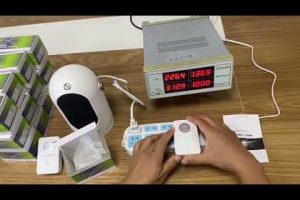
If you’ve been searching for a practical way to reduce your electricity bill without sacrificing comfort, you’ve likely come across the term electric saver. Also known as a power saver device or energy saving box, an electric saver promises to optimize your electricity consumption, stabilize voltage levels, and potentially cut down on wasted energy. But do these devices actually deliver on their claims? And more importantly, how do you choose the right one for your home or business? This comprehensive guide breaks down everything you need to know about electric savers — from how they work and what they can do, to expert recommendations that help you get real, measurable results.

What Is an Electric Saver and How Does It Work?
An electric saver is a power optimization device designed to improve the efficiency of electrical systems by correcting the power factor and reducing reactive energy waste. In simple terms, when your appliances and machinery draw electricity, not all of that energy is converted into useful work. Some of it gets stored and released back and forth in the form of reactive power — and that wasted energy still counts on your utility meter.
The Science Behind Power Factor Correction
Most household and commercial appliances — motors, compressors, fluorescent lighting — are inductive loads. These loads create a phase difference between voltage and current, which lowers the power factor. A lower power factor means your electrical system is less efficient, and your utility company may even charge you penalties for poor power factor in commercial settings. An electric saver typically contains capacitors that compensate for this reactive power, bringing the power factor closer to unity. The result is a cleaner, more efficient flow of electricity that reduces overall consumption.
Key Components Inside an Electric Saver
Understanding what’s inside an electric power saver helps you evaluate its quality and potential. Most units include:
- Capacitor banks — the core component responsible for power factor correction
- Voltage regulation circuitry — helps stabilize incoming voltage to protect appliances
- Thermal protection — prevents overheating and ensures safe operation
- Indicator LEDs or displays — show real-time status and energy savings
Benefits of Using an Electric Saver at Home and in Commercial Spaces
The advantages of integrating an electricity saver device into your electrical setup go beyond just lowering your monthly bill. Here are the most impactful benefits that homeowners and business owners consistently report:
- Lower electricity bills — by reducing wasted reactive energy, many users report savings between 10% and 25% on their monthly power costs.
- Extended appliance lifespan — stabilized voltage means less stress on motors, compressors, and other sensitive components, helping your devices last longer.
- Reduced carbon footprint — consuming less electricity directly translates to fewer greenhouse gas emissions from power generation.
- Improved power quality — reduced harmonic distortion and voltage fluctuations create a cleaner electrical environment.
- Potential utility incentives — some commercial and industrial customers qualify for rebates when they maintain a high power factor.
Residential Applications
For homeowners, a plug-in electric saver or a whole-house energy saving box can make a noticeable difference, especially in homes with high-inductive loads like central air conditioning, refrigerators, washing machines, and well pumps. The electricity cost reduction is most pronounced in households that run multiple motors simultaneously or experience frequent voltage fluctuations from the grid.
Commercial and Industrial Use Cases
In commercial environments — manufacturing plants, warehouses, restaurants, and retail stores — the impact multiplies. Large motors in HVAC systems, conveyor belts, pumps, and compressors all draw significant reactive power. Installing a properly sized electric power saver unit can dramatically reduce demand charges and reactive energy fees, which often represent a hidden but substantial portion of a commercial electricity bill.
Types of Electric Savers Available on the Market
Not all electricity saving devices are created equal. The market offers several distinct categories, each suited to different applications and budgets.

Plug-in Electric Savers
These compact, portable units plug directly into a wall outlet and claim to optimize energy for the circuits on the same electrical panel. They are affordable — typically ranging from $20 to $50 — and easy to install without any electrical work. However, their capacity is limited, and skeptics often question whether a single plug-in unit can meaningfully affect the power factor of an entire household.
Hardwired Electric Saver Units
These are permanently installed at your electrical panel or distribution board by a licensed electrician. Hardwired units offer higher capacitor capacity, more robust voltage regulation, and the ability to correct power factor across multiple circuits simultaneously. They are the preferred choice for serious energy savings and are commonly used in commercial and industrial settings.
How to Choose the Right Electric Saver for Your Needs
Selecting the ideal power savings device requires understanding your specific electrical profile. Here are the factors you should evaluate:
- Your power factor baseline — hire a licensed electrician to measure your current power factor using a power quality analyzer. If it’s already above 0.95, the savings potential is modest.
- Total connected load — match the electric saver’s kVAR rating to your reactive power demand. An undersized unit won’t deliver meaningful results.
- Voltage stability in your area — if you experience frequent voltage sags or surges, prioritize units with built-in voltage regulation.
- Certifications and safety standards — look for UL listing, CE marking, or equivalent certifications that confirm the unit meets international safety standards.
- Warranty and support — reputable manufacturers offer warranties of at least two to five years, which signals confidence in their product’s durability.
Electric Saver vs. Traditional Energy-Saving Methods
To put the value of an electric saver in perspective, here’s a comparison table that contrasts it with other common energy-saving strategies:
| Method | Upfront Cost | Energy Savings | Maintenance Required | Appliance Protection |
| Electric Saver Device | Low to Moderate | 10–25% | Minimal | Yes |
| LED Lighting Upgrade | Moderate | 5–15% (lighting only) | Low | No |
| Smart Thermostat | Moderate | 5–12% (HVAC only) | Low | Indirect |
| Solar Panel Installation | High | 40–100% (offset) | Moderate | Yes |
| Appliance Replacement | Very High | 15–40% (per appliance) | None | N/A |
The beauty of an electric saver is its low barrier to entry. Unlike solar panels or full appliance replacements, a power saving device requires minimal upfront investment and zero behavioral changes. You don’t have to remember to turn anything off or change any daily habits — it works silently in the background.
Expert Tips for Maximizing Your Electric Saver’s Performance
Even the best electricity saving box won’t deliver optimal results if it’s not deployed correctly. Here are professional tips to squeeze every bit of benefit from your investment:
- Install it at your main electrical panel — a whole-house installation at the meter or breaker box ensures all circuits benefit from power factor correction.
- Place it away from moisture and heat sources — capacitors degrade faster in hot, humid environments, which reduces their effectiveness over time.
- Pair it with a power quality audit — before and after installation, have a professional measure your kWh consumption and power factor to quantify actual savings.
- Don’t oversize — installing a unit with far more capacity than your reactive power demand wastes money and can actually cause overvoltage conditions.
- Combine with behavioral changes — an electric saver works best alongside smart energy habits like using efficient LED bulbs, sealing drafts, and running major appliances during off-peak hours.
Frequently Asked Questions About Electric Savers
Does an electric saver really reduce electricity bills?
Yes, but the extent of savings depends on your existing power factor, the size of your inductive loads, and the capacity of the device. Users with poor power factors and heavy motor usage typically see the most significant electricity cost reduction. Independent tests and user reports consistently confirm measurable kWh savings, especially in commercial and industrial settings.
Can I install an electric saver myself?
Plug-in models are designed for DIY installation — just insert them into a wall outlet. However, hardwired whole-house units require connection at your electrical panel, which should always be performed by a licensed electrician to ensure safety and code compliance.
How long does it take to see results from an electric power saver?
Most users report noticing a difference on their electricity bill within one to two billing cycles. The device begins working immediately upon installation, but savings accumulate over time and become visible when you compare monthly consumption figures.
Are electric savers safe for all types of appliances?
Electric savers are safe for virtually all household and commercial appliances. In fact, by stabilizing voltage and reducing electrical stress, they often extend the operational life of motors, compressors, and other inductive equipment. The devices do not interfere with electronic devices, computers, or sensitive equipment when properly installed.
What size electric saver do I need for a typical home?
For an average household, a unit rated between 10 kVAR and 20 kVAR is generally sufficient. However, the best approach is to have a licensed electrician perform a power audit to determine your exact reactive power demand before purchasing a device.
Conclusion
An electric saver is one of the most accessible, affordable, and low-maintenance tools available for improving energy efficiency and reducing electricity costs. Whether you’re a homeowner looking to shave a few dollars off your monthly bill or a business owner seeking to eliminate reactive energy penalties, the right power saver device can deliver tangible, measurable results. The key is to understand your electrical profile, choose a properly sized and certified unit, and install it correctly. When these elements align, an electricity saver device becomes a quietly powerful asset in your broader strategy for smart energy management — saving money, protecting your appliances, and contributing to a more sustainable future.