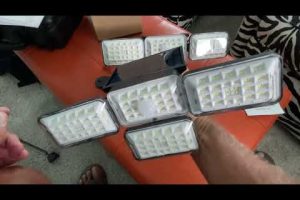
Fence solar lights have become one of the most popular outdoor lighting solutions for homeowners looking to enhance both the security and aesthetic appeal of their property. Unlike traditional fence lighting that requires complex wiring and electrical connections, solar-powered alternatives harness the sun’s energy to deliver reliable illumination throughout the night. Whether you are upgrading an existing backyard fence, securing a garden perimeter, or simply adding charm to your outdoor space, solar fence lights offer a practical, eco-friendly, and cost-effective answer. In this comprehensive guide, we will explore everything you need to know about selecting, installing, and maintaining fence solar lights that deliver outstanding performance season after season.
What Are Fence Solar Lights?
Fence solar lights are self-contained lighting units designed to mount directly onto fence posts, rails, or panels using sunlight-charged batteries and integrated photovoltaic panels. Each unit typically includes a small solar panel, a rechargeable battery, LED bulbs, and a light sensor that automatically activates illumination at dusk. These devices eliminate the need for external wiring, plug-in outlets, or manual switching, making them one of the most convenient outdoor lighting options available today. Modern solar fence lighting has evolved significantly, with advanced LED technology, improved solar panel efficiency, and smart motion-sensor integration transforming what was once a niche product into a mainstream home improvement staple.
Benefits of Installing Solar Fence Lights
The advantages of choosing solar-powered fence lighting extend far beyond simple convenience. Here is a detailed look at why more homeowners are making the switch.
- Energy Independence: Solar fence lights operate entirely off the electrical grid, which means zero electricity bills and no dependency on outdoor power outlets.
- Easy Installation: Most models require no tools, no wiring, and no professional assistance. You simply clip, slide, or stake them onto your fence and they are ready to go.
- Enhanced Security: Well-lit perimeters deter trespassers, animals, and potential intruders, making solar fence lights a valuable addition to any home security strategy.
- Environmentally Friendly: By using renewable solar energy, these lights reduce your carbon footprint and contribute to a more sustainable lifestyle.
- Low Maintenance: With no wiring to deteriorate and no bulbs to frequently replace (most LEDs last 25,000 hours or more), solar fence lights demand minimal upkeep.
- Versatile Aesthetics: Available in warm white, cool white, amber, color-changing, and decorative styles, solar fence lights suit virtually any design preference.

Types of Fence Solar Lights
Post-Mount Solar Fence Lights
Post-mount solar fence lights are designed to attach directly to the top or side of a fence post using brackets, screws, or clips. These units often feature a raised solar panel that charges throughout the day and a downward-facing LED head that casts light along the fence line. They are ideal for wooden, metal, and vinyl fences and come in styles ranging from rustic lantern designs to sleek modern profiles.
Clip-On Solar Fence Lights
Clip-on models are specifically engineered to grip onto horizontal fence rails or pickets without any drilling or permanent modification. They typically feature a spring-loaded or adjustable clip mechanism that holds the light firmly in place. Clip-on solar fence lights are perfect for renters or anyone who wants a non-invasive lighting solution. They are lightweight, easy to reposition, and often come in sets of multiple units for comprehensive coverage.
In-Ground Solar Stake Lights for Fences
While not directly mounted on the fence itself, in-ground solar stake lights are frequently used alongside fence lines to create continuous ambient illumination. These units feature a pointed stake that pushes into the soil next to the fence, with the light head angled upward or outward. They work beautifully for outlining property boundaries, illuminating garden fences, and adding a soft glow to pathways that run parallel to your fence.

How to Choose the Right Solar Fence Lights
Selecting the best fence solar lights for your property requires considering several key factors that directly impact performance and satisfaction.
- Solar Panel Efficiency: Look for models with monocrystalline solar panels, which offer higher conversion rates (typically 15-22%) compared to polycrystalline alternatives. Better panel efficiency means faster charging and longer illumination times.
- Battery Capacity: Lithium-ion batteries outperform NiMH (nickel-metal hydride) options in terms of charge retention, lifespan, and performance in cloudy conditions. A battery capacity of 2000mAh or higher ensures reliable all-night operation.
- LED Brightness and Color Temperature: Measured in lumens, brightness determines how well the light illuminates your fence area. For security purposes, aim for 50-100 lumens per light. For ambiance, 10-30 lumens with warm color temperature (2700K-3000K) creates a welcoming atmosphere.
- Water Resistance Rating: Ensure the lights carry an IP65 or higher ingress protection rating to withstand rain, snow, dust, and humidity without internal damage.
- Motion Sensor Compatibility: Many modern fence solar lights include built-in PIR (passive infrared) motion sensors that activate the light when movement is detected, saving battery life while maximizing security impact.
Installation Tips for Fence Solar Lights
Even though solar fence lights are famously easy to install, following a few expert recommendations will significantly improve their performance and longevity.
- Position the solar panel facing south (in the Northern Hemisphere) to maximize daily sun exposure and charging efficiency.
- Install lights at consistent intervals along the fence — typically every 6 to 8 feet — for uniform coverage and a professional look.
- Clean the solar panel surface regularly with a soft cloth to remove dust, pollen, and debris that can reduce charging efficiency by up to 30%.
- Avoid placing lights in the shadow of trees, buildings, or tall shrubs, as even partial shading can dramatically reduce solar panel output.
- Allow the battery to fully charge for 8 to 12 hours during the first installation before expecting optimal nighttime performance.
Comparison: Popular Solar Fence Light Types
| Type | Installation Method | Best For | Avg. Runtime |
| Post-Mount Solar Fence Lights | Bolt or clip onto fence posts | Permanent perimeter lighting | 8-12 hours |
| Clip-On Solar Fence Lights | Spring clip on fence rails | Rental properties, temporary setups | 6-10 hours |
| In-Ground Stake Lights | Push into soil beside fence | Boundary definition, ambient glow | 6-8 hours |
| Motion-Activated Solar Lights | Mount or stake, sensor active | Security-focused applications | 4-6 hours (on motion trigger) |
| String Solar Fence Lights | Hook or tie onto fence | Decorative patio and garden fencing | 6-10 hours |
Expert Tips for Maximizing Solar Fence Light Performance
Getting the most out of your fence solar lights involves more than just mounting them and forgetting about them. Here are proven strategies used by landscaping professionals and lighting designers.
Seasonal Adjustments: During winter months or overcast seasons, the reduced sunlight hours can shorten your lights’ runtime. Angle the solar panels more steeply to capture lower winter sun, and consider removing snow or leaf debris from the panels daily.
Battery Replacement: Most quality solar fence lights allow for battery replacement after 2-3 years of use. Swapping in a fresh lithium battery restores performance to near-new levels and extends the overall lifespan of the fixture.
Strategic Zoning: Divide your fence line into zones based on function — brighter, motion-activated lights near gates and entry points, and softer ambient lights along garden-facing sections. This layered approach maximizes both security and visual appeal.
Reflective Surfaces: Placing a small mirror or reflective material behind the light fixture can amplify the illuminated area by up to 40%, effectively doubling the coverage without increasing power consumption.
Conclusion
Fence solar lights represent one of the smartest investments you can make for your outdoor space. They combine ease of installation, energy efficiency, enhanced security, and aesthetic versatility into a single product that works reliably without costing you a dime in electricity. Whether you choose post-mount fixtures for a permanent, polished look, clip-on models for flexibility, or motion-activated options for maximum security, the key to success lies in selecting high-quality components, positioning them strategically, and maintaining them properly. With the right solar fence lighting setup, your property will shine brighter, stay safer, and look more inviting every single night.

Frequently Asked Questions
How long do fence solar lights last on a single charge?
The runtime of fence solar lights depends on battery capacity, solar panel efficiency, and local sunlight conditions. Most quality models provide 6 to 12 hours of illumination per full charge. Models with lithium-ion batteries and larger solar panels tend to deliver the longest runtime, especially when the solar panel receives at least 6 to 8 hours of direct sunlight daily.
Do solar fence lights work on cloudy or rainy days?
Yes, fence solar lights continue to charge on cloudy days, though at a reduced rate compared to direct sunlight. Modern monocrystalline solar panels can capture diffused light effectively, and lithium batteries retain charge well even after partial charging days. However, you may notice shorter nighttime illumination periods during extended periods of overcast weather.
Can I install solar fence lights on a metal or vinyl fence?
Absolutely. Most fence solar lights are designed to work with wood, metal, vinyl, and composite fence materials. Clip-on models with rubber-lined grips work especially well on metal and vinyl rails without causing damage. Post-mount models typically include adjustable brackets that accommodate various fence post sizes and shapes.
Are solar fence lights waterproof enough for all weather conditions?
High-quality fence solar lights are rated IP65 or IP67, meaning they are fully protected against water jets and temporary immersion. This makes them suitable for rain, snow, hail, and high humidity environments. However, it is advisable to periodically check the seal integrity of cheaper models, as degraded gaskets can allow moisture to enter the housing and damage internal components.
What is the average lifespan of solar fence lights?
With proper maintenance, including regular battery replacement every 2 to 3 years and periodic solar panel cleaning, quality fence solar lights can last 5 to 8 years or longer. LED bulbs typically outlast the fixture housing itself, with most rated for 25,000 to 50,000 hours of continuous use. The solar panel efficiency may degrade slightly after 5 years, but it usually still provides adequate charging performance.