Fences with solar lights have transformed the way homeowners approach outdoor security, curb appeal, and energy efficiency. Unlike traditional fence lighting that requires complex wiring, professional electricians, or expensive electricity bills, solar-powered fence lighting offers a hands-free, environmentally friendly alternative that works beautifully across residential driveways, garden perimeters, commercial properties, and rural acreage. Whether you are a first-time homeowner looking to upgrade your backyard or a property manager seeking cost-effective landscape lighting solutions, understanding how solar fence lights work, which types deliver the best performance, and how to install them correctly can make all the difference. This guide covers everything from the fundamentals to advanced selection strategies, practical installation tips, and expert maintenance advice so you can make a confident, informed decision.
What Are Fences with Solar Lights?
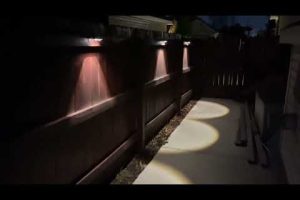
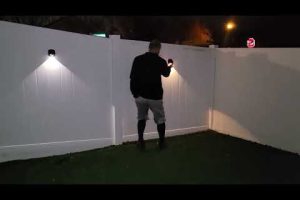
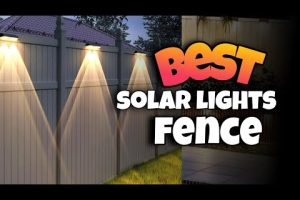
Fences with solar lights refer to fencing systems or light fixtures that are powered entirely by small photovoltaic panels, converting sunlight into stored electrical energy during the day and illuminating the fence line after dark. These units typically include a built-in LED bulb, a rechargeable battery (usually lithium-ion or NiMH), a solar panel, and a durable housing designed to withstand weather exposure. The fixtures mount directly onto fence posts, rails, or pickets, creating a continuous perimeter glow that enhances visibility, deters trespassers, and highlights the architectural lines of your property. Solar fence lighting has evolved dramatically over the past decade, with modern LED technology delivering brighter lumens, longer run times, and smarter motion-sensing capabilities than older models ever could.
Types of Solar Fence Lights
Not all solar fence lighting products are created equal. Understanding the main categories helps you match the right fixture to your specific needs, whether you prioritize security, aesthetics, or energy savings.
1. Solar Post Cap Lights
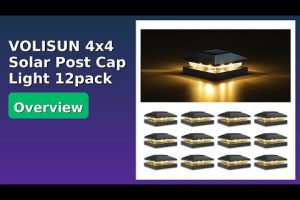
Post cap solar lights are the most popular option for residential picket fences and ornamental ironwork. They sit atop each fence post and emit a soft, ambient glow. These fixtures are compact, weather-resistant, and relatively affordable. They are ideal for decorative purposes and mild security enhancement but typically produce lower lumens than other types.

2. Solar Flood Lights on Fence Posts
These heavier-duty units mount to the side of a fence post or directly onto the fence panel. Solar flood lights produce intense, wide-beam illumination, often ranging from 100 to 500 lumens or more. They are excellent for security applications, motion detection zones, and lighting large perimeter areas around pools, gardens, or outbuildings.
3. Solar String Lights for Fences

String lights woven through a fence create a warm, inviting atmosphere perfect for patios, entertainment areas, and boutique-style properties. Modern solar string lights use warm-white or color-changing LEDs and are designed with weatherproof connectors for reliable outdoor performance.
4. Solar Rail Lights
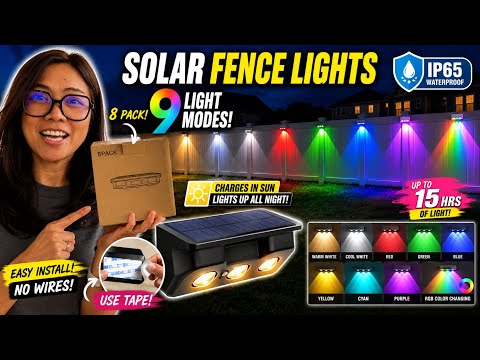
Rail-mounted solar lights attach directly to horizontal fence rails rather than individual posts. They provide a continuous line of light along the fence and are especially popular for metal and vinyl fencing systems where post spacing is large.
Key Benefits of Installing Solar Fence Lights
Solar-powered fence lighting delivers advantages that go far beyond simple illumination. Here are the most compelling reasons homeowners and property managers are making the switch:
- Zero electricity costs: Solar panels charge during daylight hours, meaning every hour of light at night is completely free.
- Easy installation: Most solar fence lights use simple bolt-on or clip-on mounting brackets that require no wiring, no electrician, and no permits.
- Enhanced security: A well-lit fence line eliminates dark hiding spots around your property, discouraging intruders and improving nighttime visibility for cameras and motion sensors.
- Increased property value: Landscape lighting is consistently ranked among the top features that boost curb appeal and resale value.
- Environmentally friendly: Solar lighting produces no carbon emissions, relies on renewable energy, and reduces strain on local power grids.
- Low maintenance: With no wiring to degrade and no bulb replacements needed for LED units rated for 25,000+ hours, upkeep is minimal.
How to Choose the Right Solar Fence Lights
Selecting the best solar fence lights for your property involves evaluating several technical and practical factors. Here is a step-by-step framework to guide your purchase decision.
- Determine your primary goal: Are you installing for security, decoration, or pathway guidance? Security-focused setups benefit from motion-activated flood lights with higher lumens, while decorative projects suit post cap or string light designs.
- Check solar panel quality: Monocrystalline solar panels charge faster and perform better in low-light conditions compared to polycrystalline or amorphous panels. Look for panels rated at least 1–2 watts for reliable overnight runtime.
- Examine battery capacity: Lithium-ion batteries (typically 18650 cells) offer superior charge retention, longer lifespan, and better cold-weather performance compared to NiMH alternatives. A capacity of 2,000 mAh or higher ensures longer illumination per charge.
- Consider lumens and beam angle: For security, aim for 100 lumens or more with a narrow beam angle. For ambiance, 10–30 lumens with a wide spread works well.
- Verify IP rating: An IP65 or higher waterproof rating ensures the fixture survives rain, snow, and humidity without internal damage.
- Measure fence spacing: Count your fence posts or rails to determine the number of fixtures needed. Most installers recommend one light per post for continuous coverage.
Step-by-Step Installation Guide
Installing solar fence lights is straightforward, but proper placement maximizes charging efficiency and lighting performance.
- Clean the fence post or rail surface with a damp cloth to remove dirt and debris.
- Attach the mounting bracket or slide the fixture onto the post, ensuring the solar panel faces south (in the Northern Hemisphere) for maximum sun exposure.
- Secure the fixture using the included screws, bolts, or clips. Tighten firmly but avoid over-torquing plastic housings.
- Switch the unit to the “ON” position and let the solar panel charge for at least 6–8 hours of direct sunlight before testing at night.
- Adjust the light head angle to direct illumination where it is needed most.
Comparison Table: Best Solar Fence Light Types
| Type | Lumens Range | Best For | Avg. Runtime | Price Range |
| Post Cap Lights | 5–30 lumens | Decorative ambiance | 6–10 hours | $10–$30 each |
| Flood Lights | 100–500 lumens | Security & perimeter | 8–14 hours | $25–$80 each |
| String Lights | 1–5 lumens per bulb | Aesthetic atmosphere | 6–12 hours | $15–$40 per set |
| Rail Lights | 10–50 lumens | Continuous line lighting | 8–12 hours | $20–$50 each |
Expert Tips for Maximizing Performance
Even the best solar fence lights can underperform without proper care. Here are professional tips that make a significant difference:
- Trim overhanging branches: Shade from trees or structures reduces solar charging efficiency by up to 50%. Ensure each panel receives unobstructed sunlight from 9 AM to 3 PM.
- Clean solar panels monthly: Dust, pollen, and bird droppings block photons. A quick wipe with a microfiber cloth restores full charging power.
- Use reflective surfaces: Placing a small piece of reflective tape or aluminum foil behind the solar panel can increase charging by 10–15%.
- Seasonal adjustment: In winter, lower the angle of solar panels to capture the lower winter sun. In summer, a steeper angle reduces overheating and improves battery longevity.
- Pair with motion sensors: Combining solar lights with PIR (passive infrared) motion sensors extends battery life dramatically by only activating lights when movement is detected.
Common Mistakes to Avoid
Many homeowners experience disappointing results with solar fence lighting because of avoidable errors. Skipping pre-installation placement planning, choosing fixtures with undersized batteries for large perimeter runs, and installing lights in shaded zones are the three most common mistakes. Another frequent oversight is ignoring seasonal daylight variations — a setup that works perfectly in summer may fail to charge adequately during short winter days. Finally, purchasing the cheapest models from unverified sellers often results in poor build quality, dim LEDs, and batteries that degrade within months.
Frequently Asked Questions
What are the best solar fence lights for security purposes? Motion-activated solar flood lights with 200+ lumens, lithium-ion batteries, and IP65 waterproof ratings are the top choice for perimeter security. Brands like Aootek, LITOM, and BEAOMY consistently rank well in independent reviews for reliable nighttime illumination and responsive motion detection.
How long do solar fence lights last on a single charge? Runtime depends on battery capacity, LED wattage, and daily sun exposure. Most quality solar fence lights last between 6 and 14 hours on a full charge. Models with larger 2,000+ mAh batteries and efficient LEDs deliver the longest overnight performance.
Can solar fence lights work in cloudy or rainy climates? Yes, but performance decreases. Monocrystalline solar panels are the most efficient in low-light and diffuse conditions. In persistently overcast regions, choosing fixtures with larger solar panels and higher battery capacity compensates for reduced daily charging.
Do solar fence lights require any wiring or electrical connections? No. Solar fence lights are completely self-contained units that require no wiring, no external power source, and no electrical permits in most jurisdictions. This makes them ideal for remote properties, rental homes, and renters who cannot modify electrical systems.
How do I maintain solar fence lights for optimal longevity? Clean the solar panel every two to four weeks, replace rechargeable batteries every 2–3 years as capacity naturally degrades, and ensure the LED housing remains sealed and free of moisture ingress. Storing units indoors during extended periods of non-use also preserves battery health.
Are solar fence lights worth the investment compared to wired options? Absolutely. While wired landscape lighting may offer marginally brighter output, the installation cost, wiring complexity, ongoing electricity expense, and maintenance burden make solar fence lights the superior value proposition for the vast majority of residential and small commercial applications.
Conclusion
Fences with solar lights represent one of the smartest upgrades you can make to any property. They blend security, aesthetics, and sustainability into a single, maintenance-light solution that pays for itself within the first few months through eliminated electricity costs. By selecting the right type of solar fence light, positioning fixtures for maximum solar exposure, and following simple maintenance practices, you will enjoy a beautifully illuminated perimeter for years to come. Whether you are lighting a residential backyard fence, a commercial parking area, or a sprawling rural property, solar-powered fence lighting delivers proven results that traditional wired systems simply cannot match in ease of use and total cost of ownership.