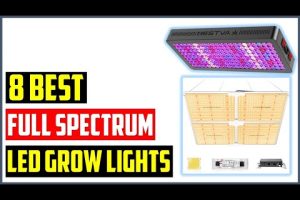
Indoor gardening has transformed dramatically over the past decade, and one of the biggest reasons growers everywhere are achieving better yields and healthier plants is the rise of the full spectrum LED grow light. If you are serious about cultivating plants indoors — whether that means thriving houseplants, medicinal herbs, or high-performance cannabis crops — understanding how full spectrum lighting works and why it matters is absolutely essential. Unlike older grow light technologies that bombarded plants with a single narrow wavelength of light, full spectrum LED panels replicate the natural sunlight plants would receive outdoors, delivering a balanced blend of blues, reds, whites, and even ultraviolet and infrared wavelengths across the entire photosynthetically active radiation (PAR) range. In this comprehensive guide, we will break down everything you need to know about full spectrum LED grow lights, from how they function and the key benefits they offer, to practical buying advice and expert tips that will help you maximize your indoor garden’s potential.
What Is a Full Spectrum LED Grow Light?
A full spectrum LED grow light is an advanced horticultural lighting system designed to emit light across the entire visible and near-visible electromagnetic spectrum, closely mimicking the wavelength profile of natural sunlight. The term “full spectrum” refers to the fact that the light output spans from approximately 380 nanometers in the ultraviolet range all the way through to 780 nanometers in the deep infrared range. This broad emission profile is critically important because plants use different wavelengths for different biological processes. Blue light (400–500 nm) drives vegetative growth, chlorophyll production, and compact leaf development, while red light (620–700 nm) powers flowering, fruiting, and the photoperiod responses that trigger blooming. A quality full spectrum grow light blends these wavelengths seamlessly, so your plants receive balanced illumination at every growth stage — from seedling and clone propagation through vegetative expansion and into heavy flowering.
What sets modern full spectrum LED technology apart from older solutions like high-pressure sodium (HPS) lamps or standard white LEDs is the precision of the spectral output. Manufacturers now use hybrid LED chip configurations, incorporating 3W and 5W diodes in specific ratios, often supplemented with specialized UV and IR LED beads. The result is a light source that not only looks natural to the human eye — producing a clean, white glow rather than the harsh pink or orange tint of traditional grow lights — but also functions naturally for photosynthesis and photomorphogenesis, the process by which plants interpret light signals to regulate growth patterns, stem elongation, and defense responses.
How Full Spectrum LED Grow Lights Work
Understanding the science behind these lights helps you make smarter purchasing decisions. A full spectrum LED grow light panel contains multiple individual LED diodes, each engineered to emit a specific narrow-band wavelength. These diodes are arranged on a printed circuit board and driven by a constant-current driver that ensures stable, flicker-free output. The key metric to understand is the photosynthetically active radiation (PAR) range, which covers wavelengths between 400 and 700 nm and represents the light that plants actually use for photosynthesis. However, modern research has shown that extending into the UV-A (315–400 nm) and far-red (700–780 nm) ranges can further enhance plant metabolism, influencing secondary metabolite production, anthocyanin development, and even pest resistance.
When you switch on a full spectrum LED panel, the combined output creates what is often described as a “white” light with subtle color cues — a warm white base with hints of violet and deep red. This is what allows the light to serve both the functional purpose of driving photosynthesis and the practical purpose of letting you visually inspect your plants under a natural-looking illumination. Many premium units also include a dimming feature and adjustable spectrum controls, allowing growers to shift the red-to-blue ratio during different growth phases without changing the fixture itself.
Key Benefits of Using Full Spectrum LED Grow Lights
The advantages of choosing a full spectrum LED grow light over older or narrower-spectrum alternatives are substantial. Here is why serious growers are making the switch:
- All-in-one growth stage support: You do not need to swap lights between the vegetative and flowering phases. A single full spectrum panel supports seedlings, clones, vegetative growth, and blooming seamlessly.
- Energy efficiency and lower electricity costs: Modern LED diodes convert up to 2.7 micromoles per joule (μmol/J) of electrical energy into usable photosynthetic light, dramatically outperforming HPS and metal halide systems that waste a significant portion of energy as heat.
- Reduced heat output: Because LEDs are inherently cool-running, you can hang lights closer to the canopy without burning plants, which increases light intensity per square foot and improves canopy penetration.
- Longer lifespan and durability: A high-quality full spectrum LED grow light can deliver consistent output for 50,000 to 100,000 hours, far outlasting traditional bulbs that degrade rapidly over months.
- Improved plant quality and secondary metabolite production: The inclusion of UV and IR wavelengths encourages plants to produce terpenes, flavonoids, and cannabinoids, resulting in more aromatic, potent, and visually appealing harvests.
- Compact and versatile design: Modern panels are slim, lightweight, and often feature passive cooling with aluminum heat sinks, making them easy to install in tents, grow rooms, vertical farms, and even windowless closets.
Energy Savings Compared to Traditional Lighting
One of the most compelling reasons indoor growers invest in full spectrum LED technology is the dramatic reduction in power consumption. A 300W full spectrum LED panel can easily replace a 600W HPS fixture while delivering equal or superior light intensity in the PAR range. Over a year of continuous operation, this difference translates into hundreds of dollars saved on electricity bills. For commercial growers managing large-scale facilities, the cumulative savings are transformative, directly improving profit margins and return on investment.
Full Spectrum LED Grow Light vs. Other Grow Light Types
Choosing the right lighting system can feel overwhelming when you are bombarded with options. Below is a direct comparison that clarifies where full spectrum LED technology stands relative to the competition.
| Feature | Full Spectrum LED | HPS/MH | Standard White LED |
| Spectrum Coverage | UV through IR, balanced for all growth stages | Narrow (mostly red/orange for HPS, blue-white for MH) | Limited to visible white; lacks UV/IR |
| Energy Efficiency | High (2.5–2.7 μmol/J) | Low (0.9–1.1 μmol/J) | Moderate |
| Heat Output | Low; safe for close canopy hang | High; requires ventilation and distance | Low to moderate |
| Lifespan | 50,000–100,000 hours | 10,000–24,000 hours | 30,000–50,000 hours |
| Upfront Cost | Moderate to high | Low | Low to moderate |
| Yield Quality | Excellent; enhanced terpene and cannabinoid profiles | Good but can cause stretching and heat stress | Average; lacks spectral balance |
The comparison table above makes one thing clear: while full spectrum LED grow lights may carry a higher initial price tag, the combination of energy savings, longevity, superior plant quality, and operational simplicity makes them the clear long-term choice for virtually every indoor growing application.
How to Choose the Right Full Spectrum LED Grow Light
Not all full spectrum LED grow lights are created equal, and navigating the market requires a bit of know-how. Here are the factors that matter most when making your selection:
- Wattage and coverage area: Match the light’s wattage to the square footage of your growing space. A general rule of thumb is 30–50 watts of actual power draw per square foot of canopy for flowering plants. A 200W fixture typically covers a 3×3 to 4×4 footprint effectively.
- Diodes and chip quality: Look for fixtures using Samsung, Mean Well, or similar reputable LED drivers and diode brands. Bridgelux and Epileds are also respected. Avoid generic no-name diodes that degrade quickly and produce inconsistent spectrum output.
- Dimmability and spectrum control: Premium full spectrum grow lights include a dimmer knob or remote control and sometimes allow you to adjust the blue-to-red ratio. This is incredibly useful for tailoring light intensity and spectral balance to specific plant types and growth stages.
- Passive cooling design: A robust aluminum heat sink with quiet, effective passive airflow keeps diodes cool and extends lifespan. Avoid fixtures that rely solely on fans, which introduce moving parts that eventually fail.
- Warranty and brand reputation: Stick with manufacturers that offer at least a 3–5 year warranty and have verifiable customer reviews. Brands with transparent testing data and real-world grower testimonials build lasting trust.
Expert Tips for Maximizing Results with Full Spectrum LED Lights
Simply buying a high-quality full spectrum LED grow light is only half the equation. How you install, position, and manage your lighting determines the real-world results you will see. Here are expert tips that consistently deliver better outcomes:
- Hang the light at the correct height: During the seedling and clone stage, keep full spectrum panels 24–36 inches above the canopy. Move the light closer to 18–24 inches during vegetative growth, and reduce to 12–18 inches during flowering for maximum light penetration.
- Use a light meter or PAR map: Invest in a quantum sensor or use the manufacturer’s PPFD (photosynthetic photon flux density) map to ensure even light distribution across your entire growing area. Uneven coverage creates hotspots and weak zones that stunt uniform plant development.
- Implement a proper photoperiod: Most flowering plants thrive under an 18/6 light cycle during vegetation and 12/12 during bloom. Use a reliable timer to maintain consistency — plants are highly sensitive to light schedule disruptions.
- Supplement with CO₂ for advanced setups: If you are running high-intensity full spectrum lights in a sealed grow tent, adding supplemental CO₂ (1200–1500 ppm) can dramatically boost photosynthetic rates and overall yield.
- Clean your fixtures regularly: Dust accumulation on LED lenses can reduce light output by up to 10–15%. A simple wipe-down every two weeks keeps your full spectrum panels performing at peak efficiency.
Frequently Asked Questions About Full Spectrum LED Grow Lights
Can I use a full spectrum LED grow light for all types of indoor plants? Absolutely. Full spectrum LED technology is versatile enough to support everything from low-light tropical houseplants and leafy greens to high-light flowering crops like tomatoes, peppers, and cannabis. The balanced wavelength output ensures that every plant receives the photons it needs across the PAR and beyond-PAR ranges, regardless of species or growth habit.

How far should I hang a full spectrum LED grow light from my plants? The hanging distance depends on the wattage of your fixture and the light intensity it produces. For a 200–300W panel, start at 24–30 inches during the early growth stages and gradually lower it to 15–20 inches during peak flowering. Always monitor your plants for signs of light stress — such as bleached or curled leaves — and adjust the height accordingly. Many premium models include a hanging kit with adjustable height for easy positioning.
Do full spectrum LED grow lights produce enough UV and IR for plant health? High-quality full spectrum LED grow lights include UV-A (380–400 nm) and far-red (700–780 nm) diodes that contribute to plant resilience, essential oil production, and photomorphogenic responses. However, the exact amount of UV and IR varies significantly between manufacturers. Always check the spectral emission chart provided by the brand to confirm that the fixture includes meaningful levels of these wavelengths rather than relying solely on the “full spectrum” marketing label.
Is a full spectrum LED grow light better than a quantum board-style LED light? Both are excellent options, but they differ in design philosophy. Quantum board-style lights use Samsung-style diodes arranged on a large board for even, wide-coverage distribution, while traditional full spectrum panel lights often use a more concentrated array of larger 3W or 5W diodes. Quantum boards tend to offer superior canopy penetration at a lower price point, while full spectrum panels often include UV/IR supplementation and more advanced dimming controls. The “best” choice depends on your specific growing space, budget, and crop goals.
How long do full spectrum LED grow lights last before needing replacement? Commercial-grade full spectrum LED grow lights maintain at least 80% of their original light output for approximately 50,000 to 100,000 hours of operation. For a grower running lights 18 hours per day, that translates to roughly 7–10 years of reliable service before any meaningful degradation in output. The LED chips themselves do not burn out like fluorescent or HPS bulbs; they simply dim gradually over time.
Conclusion
The full spectrum LED grow light represents the gold standard in modern indoor horticulture, combining energy efficiency, spectral precision, and long-term reliability into a single, powerful solution. Whether you are a beginner setting up your first grow tent or a seasoned commercial cultivator optimizing a multi-room facility, investing in a high-quality full spectrum grow light is one of the single most impactful decisions you can make for your garden. By understanding the spectrum, choosing the right fixture for your space, and following the expert tips outlined above, you will set your plants up for vigorous, healthy growth and maximize the quality and quantity of every harvest. The technology has matured to a point where there is simply no reason to rely on outdated lighting systems — the future of indoor growing is full spectrum, and it is already here.