Electronic conservation has become one of the most urgent and rapidly evolving topics in sustainability discussions worldwide. As our dependence on devices grows—from smartphones and laptops to industrial equipment and medical instruments—the need to preserve, protect, and extend the lifecycle of electronics becomes critical. This is not just about recycling old gadgets or plugging in a power strip; electronic conservation encompasses a holistic philosophy that includes device longevity, responsible disposal, energy optimization, digital preservation, and circular economy thinking. Whether you are a tech enthusiast, a business decision-maker, or a conscious consumer, understanding the principles and practices behind electronic conservation can profoundly reduce your environmental footprint while saving money and resources. In this comprehensive guide, we will explore every dimension of electronic conservation—from beginner-friendly tips to advanced strategies—so you can make informed decisions that align with a sustainable future.

What Is Electronic Conservation?
At its core, electronic conservation refers to the deliberate effort to minimize waste, maximize utility, and extend the useful life of electronic devices and systems. This concept goes far beyond simply throwing an old phone into a recycling bin. It involves designing with longevity in mind, maintaining devices properly, repairing instead of replacing, refurbishing for second-life use, and ensuring that end-of-life electronics are processed through responsible recovery channels. Electronic conservation intersects with several disciplines, including circular economy models, sustainable manufacturing, green computing, and digital archiving. It also touches on energy conservation, because keeping existing devices operational reduces the demand for energy-intensive new production cycles.
Why Electronic Conservation Matters in Today’s World
The global e-waste crisis paints a stark picture of why electronic conservation is no longer optional. According to the Global E-Waste Monitor, the world generated approximately 62 million metric tons of electronic waste in 2022, and that figure continues to climb annually. Less than a quarter of this waste is formally collected and recycled. The rest ends up in landfills, incinerators, or informal recycling operations that expose workers and communities to toxic substances like lead, mercury, cadmium, and brominated flame retardants.
Electronic conservation matters for several interconnected reasons:
- Resource depletion: Electronics require rare earth minerals, precious metals, and conflict minerals extracted under often harmful conditions. Conserving devices reduces the pressure to mine these finite resources.
- Carbon footprint reduction: Manufacturing a single smartphone generates roughly 70 kilograms of CO₂ emissions. Extending device lifespans directly cuts greenhouse gas output.
- Toxic pollution prevention: Proper conservation and recycling prevent hazardous materials from contaminating soil and water supplies.
- Economic savings: Consumers and businesses save significantly when devices are maintained, repaired, and reused rather than discarded.
- Data security: Responsible conservation practices ensure that sensitive data stored on devices is handled securely during disposal or recycling.
The Hidden Cost of Disposable Electronics Culture
Modern consumer electronics are often designed with planned obsolescence in mind—either through software updates that slow older hardware, proprietary parts that prevent independent repair, or aesthetic cycles that encourage frequent upgrades. This disposable culture is fundamentally at odds with electronic conservation. By understanding these design traps, consumers can make deliberate choices that counteract them, such as purchasing modular devices, supporting right-to-repair legislation, and prioritizing brands with strong sustainability commitments.
Core Principles of Electronic Conservation
Effective electronic conservation rests on a framework of interconnected principles that guide everything from personal habits to corporate policy decisions.
- Reduce: Before purchasing any electronic device, evaluate whether you truly need it or if existing devices can fulfill the requirement.
- Reuse: Extending the active life of a device through maintenance, upgrades, or passing it on to secondary users is the most powerful conservation strategy.
- Repair: Fixing broken components rather than replacing entire units preserves resources and reduces landfill burden.
- Refurbish: Professional refurbishment restores devices to functional and sometimes near-original condition for resale or redeployment.
- Recover: When a device truly reaches end-of-life, recovering valuable materials through certified recycling channels closes the loop.
Understanding the Circular Economy in Electronics
The circular economy model transforms the traditional linear “take-make-dispose” approach into a regenerative system. In the electronics sector, this means manufacturers design products for disassembly, use standardized components, offer repair services, and take back old devices for material recovery. Companies like Fairphone, Framework, and Patagonia’s electronics division are pioneering this approach by making devices that are modular, repairable, and built to last. Consumers benefit from lower long-term costs, and the planet benefits from reduced extraction and waste.

Practical Strategies for Conserving Electronics
Maintenance and Care

One of the simplest yet most impactful electronic conservation practices is proper device maintenance. Clean ports and vents regularly to prevent overheating, use surge protectors to guard against electrical damage, keep software updated for security and performance, and store devices in appropriate environmental conditions. A well-maintained laptop or smartphone can easily last five to seven years instead of two or three.
Upgrades Over Replacements
Instead of buying a new device when performance lags, consider upgrading individual components. Adding RAM, replacing a hard drive with a solid-state drive, swapping a degraded battery, or installing a fresh operating system can dramatically extend a device’s useful life. This approach applies across categories—from desktop computers and gaming consoles to cameras and audio equipment.
Supporting the Repair Movement
The right-to-repair movement has gained significant momentum in recent years, driven by consumer demand for access to replacement parts, repair manuals, and diagnostic tools. Independent repair shops and community repair events (known as Repair Cafés) are growing worldwide, offering affordable alternatives to manufacturer service centers. Purchasing spare parts and learning basic repair skills empowers individuals to take direct action in electronic conservation.
Energy-Efficient Electronics and Conservation Technology
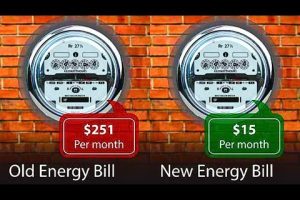
Electronic conservation also intersects with energy management. Smart power strips, energy monitoring devices, and efficient power supplies reduce the electricity consumed by electronic equipment. Features like automatic sleep modes, adjustable brightness settings, and efficient power supplies contribute to lower energy bills and a reduced environmental impact. For businesses managing data centers or office equipment, implementing power management policies and investing in energy-efficient hardware can yield substantial savings over time.
| Conservation Strategy | Typical Energy Savings | Cost Effectiveness | Implementation Difficulty |
| Smart power strips | 5-10% reduction | High | Low |
| Component upgrades (SSD, RAM) | 15-25% improvement in efficiency | Very High | Medium |
| Device lifecycle extension | Avoids 70+ kg CO₂ per device | Extremely High | Low |
| Energy-efficient replacements | 30-50% lower consumption | Medium | Medium |
| Certified recycling programs | Recovers materials; reduces mining energy | High (long-term) | Low |
Digital Preservation: Conserving Electronic Data and Heritage
Beyond physical devices, electronic conservation also applies to the preservation of digital information. Digital heritage conservation involves maintaining access to software, digital records, electronic archives, and multimedia content over time. As file formats become obsolete, storage media degrade, and platforms shut down, the risk of permanent digital loss grows. Strategies for digital conservation include regular data backups using multiple formats, migration to current file standards, use of archival-grade storage media, and participation in digital preservation initiatives like the Internet Archive.
Organizations and individuals should adopt a layered backup strategy: one local copy on reliable hardware, one offsite physical copy stored in a safe environment, and one cloud-based copy with a reputable provider. Versioning and metadata tagging further enhance the long-term accessibility and usability of preserved digital assets.
Expert Tips for Everyday Electronic Conservation
Integrating electronic conservation into daily life does not require technical expertise. Here are actionable recommendations that anyone can implement immediately:
- Adopt a 48-hour rule: Before purchasing any new electronic device, wait 48 hours to assess whether the purchase is truly necessary or just impulse-driven.
- Buy certified refurbished devices: Certified refurbished electronics undergo rigorous testing and often come with warranties, offering excellent value while reducing demand for new manufacturing.
- Use protective accessories: Quality cases, screen protectors, and thermal pads prevent physical damage that leads to premature device failure.
- Participate in manufacturer take-back programs: Many brands now offer trade-in and recycling programs that ensure devices are processed responsibly.
- Learn basic troubleshooting: Understanding common issues like software glitches, battery calibration, and connection problems can prevent unnecessary trips to repair shops or premature replacements.
- Educate others: Sharing knowledge about electronic conservation with friends, family, and colleagues amplifies the impact significantly.
Conclusion: Building a Culture of Electronic Conservation
Electronic conservation is not a niche concern—it is a fundamental responsibility that every individual, business, and policymaker must embrace. The convergence of environmental urgency, economic opportunity, and technological capability makes this the ideal moment to shift how we produce, consume, and dispose of electronics. By extending device lifespans, supporting repairable and modular designs, recovering valuable materials through certified recycling, and preserving digital heritage, we collectively reduce waste, conserve resources, and build a more sustainable technological ecosystem. Start with one action today—whether that is repairing a device instead of replacing it, donating an old phone, or simply learning what goes into your electronics—and build from there. Small consistent choices create transformative change.
Frequently Asked Questions About Electronic Conservation
What is the best way to recycle old electronics safely?
The safest method is to use certified e-waste recycling programs, such as those accredited by R2 (Responsible Recycling) or e-Stewards standards. These certifications ensure that recyclers follow strict environmental and worker safety protocols. Never dispose of electronics in regular household trash, and always wipe personal data before handing over any device for recycling.
How can I extend the lifespan of my smartphone through conservation practices?
Start by using a protective case and screen protector, avoid extreme temperatures, replace the battery when capacity degrades below 80%, keep software updated, and use a quality charger to protect battery health. These practices can extend smartphone lifespan by two to four years compared to typical usage patterns.
What role do manufacturers play in electronic conservation?
Manufacturers influence electronic conservation through design choices—modularity, availability of spare parts, software update longevity, and take-back programs. Companies that adopt Design for Environment (DfE) principles create products that are easier to repair, refurbish, and recycle, shifting the entire industry toward more sustainable practices.
Is refurbishing electronics really as good as buying new?
In most cases, yes. Certified refurbished electronics undergo comprehensive testing, component replacement where needed, and quality assurance processes. Many come with warranties equivalent to new products, and the environmental benefit of avoiding new manufacturing emissions is substantial—refurbishing one laptop saves approximately 200 kilograms of CO₂ emissions compared to producing a new unit.
What electronic items are most important to conserve and recycle?
Smartphones, laptops, tablets, and televisions are the highest priority items due to their volume, hazardous material content, and resource intensity. Batteries, in particular, should never enter landfills because they contain toxic chemicals and valuable materials like lithium, cobalt, and nickel that can be recovered through proper recycling channels.