


Bedroom LED lights have revolutionized the way we think about interior lighting, sleep environments, and mood-setting within our personal spaces. Whether you are a college student looking for an affordable ambient upgrade or a homeowner investing in a full smart lighting ecosystem, LED technology offers unmatched versatility, energy efficiency, and design flexibility. In this comprehensive guide, we will explore everything you need to know about bedroom LED lights — from the different types available, to choosing the right color temperature, placement strategies, budget comparisons, and expert installation tips that will help you create the perfect sleep-friendly and aesthetically stunning bedroom environment.
Why Bedroom LED Lights Are Worth Your Attention
Traditional incandescent bulbs and halogen fixtures are quickly becoming outdated, and for good reason. LED lights consume up to 80% less energy than conventional lighting alternatives, last significantly longer, and offer a level of customization that older technologies simply cannot match. When it comes to bedroom lighting specifically, LEDs give you the power to control brightness, color, and even scheduling through smart home integrations. This means you can shift from cool white light for reading to warm amber tones that promote melatonin production before bedtime — all without leaving your bed.

Beyond functionality, LED lights transform the visual character of a bedroom. They can highlight architectural details, create layered lighting depth, and serve as a focal point behind headboards or along ceiling edges. The result is a room that feels intentional, personalized, and deeply calming.
Types of LED Lights for Bedrooms
Not all LED lights are created equal, and understanding the different categories available will help you make an informed decision based on your specific needs, room layout, and design preferences.

LED Strip Lights
LED strip lights are among the most popular bedroom LED options for good reason. These thin, flexible strips can be adhered behind headboards, under bed frames, along crown molding, or even behind curtains to create a soft, indirect glow. Modern strips come with remote controls, smartphone app compatibility, and music-reactive modes that respond to ambient sound. They are ideal for creating an immersive, customizable atmosphere without the need for permanent fixture installations.
Smart LED Bulbs
Smart LED bulbs like Philips Hue, LIFX, and Wyze offer a more traditional form factor while packing advanced features. You can adjust color temperature from warm candlelight (around 2200K) to crisp daylight (6500K), set schedules, and integrate with voice assistants such as Alexa, Google Assistant, or Apple HomeKit. These bulbs are perfect for replacing existing fixtures with intelligent, mood-responsive lighting.
LED Light Panels and Backlit Headboards
For a more permanent and polished look, LED light panels and backlit headboards add a luxurious feel to any bedroom. These fixtures provide even, diffused light that reduces harsh shadows and creates a cinematic ambiance. They are particularly effective in master bedrooms where the headboard serves as a visual anchor and the lighting around it elevates the entire room’s design.
How to Choose the Right LED Lights for Your Bedroom
Selecting the ideal LED lighting setup involves understanding a few key technical specifications that directly impact comfort, functionality, and aesthetics.
Color Temperature: Warm vs. Cool Light
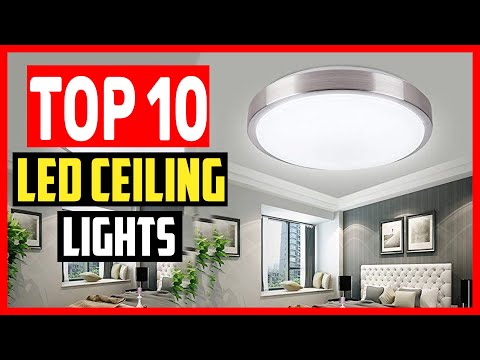
Color temperature, measured in Kelvin (K), plays a critical role in how your bedroom feels. Warm white LEDs (2200K–3000K) produce a cozy, golden glow that mimics incandescent lighting and supports natural sleep cycles. Neutral white (3500K–4000K) offers a balanced, clean look suitable for modern and minimalist bedroom designs. Cool white (5000K–6500K) provides a bright, alertness-boosting light best reserved for task areas like a reading nook or vanity mirror.
Brightness and Dimming Options
Measured in lumens, brightness should match the size of your bedroom and the purpose of the light. For ambient lighting, 200–400 lumens per fixture is typically sufficient. For task lighting near a desk or vanity, aim for 600–800 lumens. Always look for LED products with dimming capabilities, as the ability to adjust intensity gives you complete control over the atmosphere at any time of day.
Color Rendering Index (CRI)
The Color Rendering Index measures how accurately a light source reveals the true colors of objects compared to natural sunlight. For a bedroom, a CRI of 80 or above is recommended, especially near mirrors and dressing areas. Higher CRI LEDs ensure that skin tones look natural and fabrics appear vibrant under artificial light.
Best Placement Ideas for Bedroom LED Lighting
Strategic placement is what separates a generic LED setup from a truly transformative bedroom lighting design. Here are some proven placement strategies:
- Behind the headboard: Install LED strips or panels behind your headboard to create a soft backlit effect that adds depth and warmth to the room.
- Under the bed frame: LED strip lights beneath the bed frame provide a floating effect and make navigating the room at night safer and easier.
- Along ceiling edges: Cove lighting with LED strips hidden in ceiling recesses creates indirect ambient light that washes the walls with a soft glow.
- Inside shelving or wardrobes: Mini LED puck lights or strip lights inside built-in shelving add functional accent lighting and make it easier to find items.
- Around mirrors: LED vanity strips or circular LED mirror surrounds eliminate shadows and provide flattering, even illumination for grooming.
Brand Comparison and Budget Guide
Choosing the right brand involves balancing quality, features, warranty, and price. The table below compares leading bedroom LED light brands across key categories.
| Brand | Product Range | Price Range | Smart Features | Warranty |
| Philips Hue | Bulbs, strips, panels, accessories | $$ | Full smart integration, scenes, routines | 3 years |
| Govee | LED strips, bulbs, light bars | $ – $ | App control, music sync, Alexa/Google | 2 years |
| Wyze Bulb | Smart LED bulbs | $ | App control, scheduling, voice assistant | 1 year |
| LIFX | Bulbs, strips, outdoor | $ – $$ | No hub required, rich color palette | 2 years |
| LEDAccent | LED strips, puck lights | $ | Basic remote, no smart features | 1 year |
Budget-friendly options like Govee and Wyze deliver excellent value for casual users, while premium brands like Philips Hue and LIFX cater to those who want deep integration, advanced automation, and superior color accuracy.
Expert Tips for Installing Bedroom LED Lights
Even if you are not particularly handy, installing bedroom LED lights is surprisingly straightforward. Here are expert recommendations to ensure a clean, long-lasting setup:
- Clean surfaces before adhesive: Wipe the mounting surface with rubbing alcohol before applying LED strips. Dust and oils significantly reduce adhesive longevity.
- Use connectors, not cuts: Whenever possible, use pre-made connectors rather than cutting strips. This preserves the circuit and makes future adjustments easier.
- Hide power supplies: Keep LED drivers and power adapters tucked behind furniture or inside a ventilated cabinet to maintain a clean aesthetic.
- Plan your controller placement: Position smart controllers within range of your Wi-Fi router or hub to avoid connectivity dropouts.
- Test before final mounting: Power on the entire strip or fixture and test all colors and brightness levels before sticking it permanently in place.
- Consider dimmer wall switches: For hardwired LED fixtures, installing a compatible dimmer switch gives you instant, tactile control without relying on an app.
Frequently Asked Questions About Bedroom LED Lights
Are LED lights safe to leave on all night in the bedroom?
Yes, LED lights are extremely safe for overnight use. Unlike incandescent bulbs, LEDs produce minimal heat, which significantly reduces fire risk. Additionally, modern LED strips and bulbs are built with built-in thermal regulation circuits that prevent overheating even during extended operation. For best sleep hygiene, though, it is recommended to set warm color temperatures (2200K–2700K) and reduce brightness to a low level before sleep.
What color LED light is best for sleeping?
Warm amber and deep orange tones in the 2200K–2700K range are the most sleep-friendly LED colors. These wavelengths minimally suppress melatonin production, the hormone responsible for regulating sleep-wake cycles. Avoid blue and cool white LEDs (above 4000K) in the hours leading up to bedtime, as blue light can trick your brain into thinking it is daytime.
Can I install LED strip lights myself without professional help?
Absolutely. Most bedroom LED strip lights are designed for DIY installation with adhesive backing, peel-and-stick mounting, and plug-and-play connectivity. Basic tools like scissors (for cutting strips at marked intervals), a power outlet, and a smartphone for app control are all you need. For hardwired fixtures or ceiling-recessed installations, consulting a licensed electrician is advisable.
How long do LED bedroom lights typically last?
Quality LED bedroom lights have an average lifespan of 25,000 to 50,000 hours, which translates to roughly 15 to 25 years of typical daily use (about 6–8 hours per night). This longevity is one of the biggest financial advantages of LED technology, as replacement costs are minimal over time compared to traditional bulbs.
Do smart LED lights require a hub or bridge to work?
This depends on the brand and model. Products like Philips Hue require a Hue Bridge to unlock full smart features, while others like Wyze Bulbs and Govee strips connect directly to Wi-Fi and work without additional hardware. Always check product specifications before purchasing if you want to avoid extra accessories.
Conclusion: Building the Perfect Bedroom Light Setup
Bedroom LED lights are far more than a decorative trend — they are a fundamental tool for enhancing sleep quality, personalizing your space, and creating an atmosphere that truly reflects your style and lifestyle. By understanding the different types of LED products, selecting the right color temperature and brightness, placing lights strategically, and following expert installation practices, you can turn any bedroom into a sanctuary of comfort and visual appeal. Start with one or two LED strips or a smart bulb, experiment with colors and schedules, and gradually build a lighting setup that works seamlessly with your daily routine and aesthetic vision. The right bedroom LED lighting does not just illuminate a room — it transforms how you experience it every single night.