Exterior LED lighting has revolutionized the way homeowners and businesses illuminate their outdoor spaces, combining energy efficiency with stunning visual impact. Whether you’re looking to enhance curb appeal, improve safety around walkways, or create a warm and inviting atmosphere for evening gatherings, LED technology has become the gold standard in outdoor illumination. This comprehensive guide covers everything from the basics of exterior LED lighting to advanced strategies for designing a professional-grade outdoor lighting system that stands the test of time.
Why Exterior LED Lighting Is Transforming Home Design
The shift from conventional outdoor lighting to LED-based solutions has been nothing short of remarkable. Exterior LED lighting delivers superior brightness while consuming a fraction of the energy that traditional incandescent or halogen bulbs require. Homeowners are increasingly embracing outdoor LED fixtures not just for their functional benefits, but also for the architectural drama and mood they bring to any property.
Unlike older lighting technologies, modern exterior LED lights are engineered to withstand harsh weather conditions, including rain, snow, extreme heat, and freezing temperatures. Their robust construction means fewer replacements, lower maintenance costs, and a more reliable outdoor lighting experience year after year. The long lifespan of LED technology — often exceeding 50,000 hours — makes it a smart investment for anyone serious about their property’s exterior design.
Types of Exterior LED Lighting Solutions
Understanding the different categories of exterior LED lighting is essential for designing a setup that meets both aesthetic and functional goals. Here are the most popular types available on the market today:
Pathway and Step Lighting
Pathway LED lights are designed to line walkways, driveways, garden trails, and staircases. These fixtures typically feature low-profile designs with ground-level or flush mounting, ensuring they stay safe underfoot while providing subtle illumination. Common options include bollard lights, in-ground well lights, and solar-hybrid LED stake lights. They are ideal for guiding foot traffic safely after dark and for highlighting landscaping features like flower beds and hedges.
Floodlights and Security Lighting
LED floodlights are among the most powerful exterior lighting options available. They deliver wide-beam illumination across large areas such as garages, side yards, and building facades. Modern security LED floodlights often include motion sensor technology, allowing them to activate only when movement is detected, which conserves energy and startles potential intruders. Many models also feature adjustable color temperature settings and smart connectivity options.

Landscape and Accent Lighting
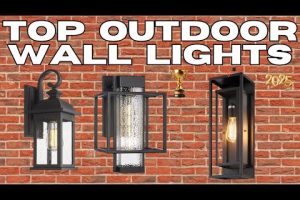
Accent lighting uses targeted LED spotlights and well lights to draw attention to specific architectural or natural features — think mature trees, stone walls, water fountains, or façade textures. Landscape LED lighting allows homeowners to create layers of depth and shadow, turning a plain backyard into a professionally designed outdoor space. Wall-mounted LED sconces and pendant fixtures also fall into this category and work beautifully for illuminating entryways and patio areas.
Pendant and String Lights
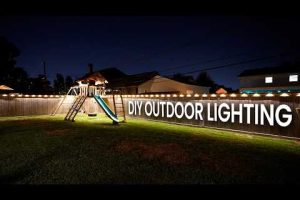
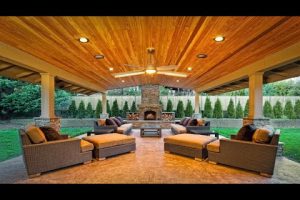
For a more decorative approach, exterior LED string lights and pendant fixtures have become incredibly popular for patios, pergolas, and deck areas. These lights create a warm, ambient glow perfect for entertaining guests or simply relaxing outdoors in the evening hours.
Key Factors to Consider When Choosing Exterior LED Lights
Selecting the right exterior LED lighting involves evaluating several technical and design considerations. Rushing the decision can lead to poor performance, premature failure, or an unflattering aesthetic.
- Ingress Protection (IP) Rating: Always check the IP rating of outdoor LED fixtures. An IP65 rating or higher ensures the light is fully protected against dust and water jets, making it suitable for exposed outdoor installations. For submerged or heavy-splash areas, look for IP67 or IP68.
- Color Temperature: LED lights come in a range of color temperatures measured in Kelvin (K). Warm white (2700K–3000K) creates a cozy, inviting glow perfect for patios and entryways. Cool white (4000K–5000K) delivers a crisp, modern look ideal for security lighting and task areas. Neutral white (3500K–4000K) offers a balanced option for landscape lighting.
- Lumens Output: Lumens measure brightness. For pathway lights, 100–300 lumens per fixture is typically sufficient. Floodlights and security lights may require 1,000 lumens or more depending on the coverage area.
- Dimmability and Smart Features: Many modern exterior LED lights are compatible with dimmer switches and smart home ecosystems like Alexa, Google Home, and Apple HomeKit. This allows you to adjust brightness levels and create custom lighting scenes.
- Build Material: Opt for fixtures made from corrosion-resistant materials such as marine-grade aluminum, stainless steel, or powder-coated steel. These materials resist rust and UV degradation far better than plastic alternatives.
LED vs. Traditional Exterior Lighting: A Side-by-Side Comparison

To truly appreciate the advantages of exterior LED lighting, it helps to compare them directly against traditional lighting technologies commonly used outdoors.
| Feature | LED Lighting | Halogen/Incandescent | CFL |
| Energy Efficiency | Up to 80% less energy than halogen | High energy consumption | Moderate energy consumption |
| Lifespan | 25,000–50,000+ hours | 1,000–5,000 hours | 8,000–15,000 hours |
| Weather Resistance | Excellent (IP65+ rated options) | Poor (fragile glass bulbs) | Moderate |
| Brightness (Lumens) | High, instant full brightness | Warm glow, slower warm-up | Moderate, slight warm-up |
| Heat Output | Low (cool to touch) | Very high (burn risk) | Moderate |
| Initial Cost | Higher upfront investment | Low upfront cost | Low to moderate |
| Long-Term Savings | Significant (lower energy + replacements) | Minimal | Moderate |
The table makes it clear that while LED fixtures may carry a higher upfront cost, the long-term return on investment is substantially better. Lower energy bills, minimal replacement needs, and superior durability make exterior LED lighting the clear winner for any serious outdoor illumination project.
Expert Tips for Maximizing Your Outdoor LED Setup
Even the best exterior LED lighting system can fall short if installation and design principles are ignored. Here are some expert-backed strategies to get the most out of your investment:
- Layer Your Lighting: Combine ambient, task, and accent lighting to create depth and visual interest. A well-layered outdoor space feels intentional and polished.
- Use Warm Tones for Gathering Spaces: Patios and seating areas benefit from warm white LEDs (2700K–3000K), which mimic the cozy feel of traditional incandescent light.
- Position Floodlights Strategically: Aim floodlights at walls and architectural features rather than directly into windows or neighboring properties to reduce light pollution and glare.
- Invest in Quality Transformers: If you use low-voltage LED systems, ensure your transformer is rated for the total wattage of your setup and is installed in a dry, ventilated location.
- Clean Fixtures Regularly: Dirt, pollen, and debris can significantly reduce light output. Wipe down LED fixtures every few months to maintain peak performance.
- Consider Professional Installation for Hardwired Systems: While plug-in and solar LED options are great for beginners, permanently wired exterior lighting should be installed by a licensed electrician to ensure safety and code compliance.
How Exterior LED Lighting Boosts Property Value
Beyond aesthetics and safety, exterior LED lighting has a measurable impact on property value. Real estate professionals consistently note that well-designed outdoor lighting is one of the top features buyers look for during evening viewings. A beautifully lit landscape creates an emotional connection, making prospective buyers feel at home before they even step inside.
According to the National Association of Realtors, outdoor lighting upgrades can yield a return on investment of up to 100–200% when factoring in energy savings, reduced maintenance, and increased perceived value. For homeowners planning to sell within the next few years, investing in high-quality exterior LED lighting is one of the most cost-effective improvements available.
Frequently Asked Questions
What is the best color temperature for exterior LED lighting around the home? Warm white LEDs in the 2700K–3000K range are widely considered the best choice for residential exteriors. They produce a soft, inviting glow that complements natural architectural materials like wood, stone, and brick. For modern homes with clean lines, neutral white (3500K–4000K) can create a sleeker, more contemporary feel.
How long do exterior LED lights typically last? Quality exterior LED fixtures can last between 25,000 and 50,000 hours, and some premium models exceed 50,000 hours. Assuming an average of 8 hours of nightly operation, a single fixture could last 8 to 17 years before needing replacement — far outpacing traditional lighting options.
Can exterior LED lights be installed in areas with heavy rainfall or snow? Absolutely. Look for fixtures with an IP65 or higher IP rating, which guarantees protection against water jets and heavy moisture. For areas prone to snow accumulation, choose fixtures rated for extreme cold temperatures, as some LED drivers can struggle in sub-zero conditions without proper cold-weather housing.
Are smart exterior LED lights worth the extra cost? Yes, smart LED lighting adds significant convenience and energy savings. Features like motion-activated scheduling, geofencing, color customization, and integration with voice assistants allow you to manage your outdoor lighting remotely. Over time, the energy savings from intelligent control systems can offset the higher initial cost.
What is the difference between LED floodlights and LED spotlights for outdoor use? LED floodlights emit a wide beam angle, typically 90–120 degrees, making them ideal for illuminating large areas like driveways and building exteriors. LED spotlights, on the other hand, produce a narrow beam of 10–45 degrees, which is perfect for accent lighting — focusing attention on a single tree, statue, or architectural detail with precision.
Do exterior LED lights attract insects? One of the biggest advantages of LED lighting is that it emits very little UV radiation, which is the primary attractant for flying insects. Warm-toned LEDs are particularly effective at minimizing bug activity compared to traditional incandescent bulbs, making them a much more enjoyable choice for outdoor entertaining spaces.
Final Thoughts on Exterior LED Lighting
Exterior LED lighting represents the perfect intersection of form and function. From boosting property value and enhancing security to creating unforgettable outdoor atmospheres for family and friends, the benefits extend far beyond simple illumination. Whether you are a first-time homeowner exploring outdoor lighting basics or a seasoned DIYer designing an advanced smart lighting system, LED technology offers the versatility, durability, and efficiency to bring your vision to life. Invest wisely, plan thoughtfully, and let your outdoor spaces shine with the brilliance that only LED lighting can deliver.