


When it comes to designing or renovating a bathroom, one of the most overlooked yet transformative elements is the ceiling light. The right bathroom ceiling light does more than simply illuminate a wet room — it sets the mood, enhances visibility for grooming tasks, and elevates the entire aesthetic of your space. Whether you are building a new home, updating a rental property, or simply replacing an outdated fixture, choosing the perfect ceiling light for your bathroom requires careful consideration of style, brightness, safety ratings, and room size. In this comprehensive guide, we walk you through everything you need to know about bathroom ceiling lights, from understanding different fixture types to making smart purchasing decisions that blend form and function.
Why Bathroom Ceiling Lights Matter More Than You Think
Lighting is the backbone of any interior space, and bathrooms are no exception. Unlike living rooms or bedrooms where ambient light can be soft and diffused, bathroom ceiling lights serve a dual purpose. They need to provide clear, even illumination for daily routines like shaving, applying makeup, and grooming, while also creating a comfortable, inviting atmosphere for relaxation. Poor lighting in a bathroom can make the space feel cramped, uninviting, and even unsafe. Conversely, a well-chosen bathroom ceiling light fixture can make a small powder room feel spacious and luxurious. The key lies in understanding how light temperature, placement, and fixture design interact with your bathroom’s layout and purpose.
Types of Bathroom Ceiling Lights
Flush Mount Ceiling Lights
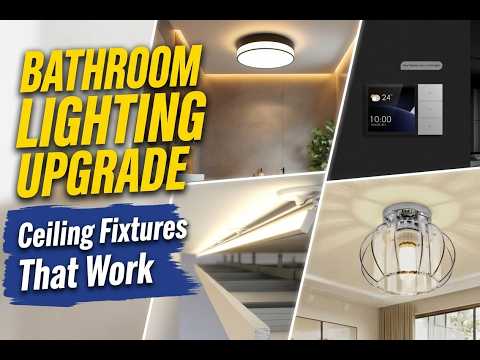
Flush mount bathroom ceiling lights sit directly against the ceiling with no gap between the fixture and the surface. These are ideal for bathrooms with low ceilings where a pendant or chandelier would feel oppressive. Flush mounts come in a wide variety of designs — from minimalist LED panels to decorative frosted glass domes. They provide broad, even light distribution and are among the easiest fixtures to install. For small bathrooms or half-baths, a flush mount is almost always the safest and most practical choice.
Recessed Ceiling Lights
Recessed lights, also known as downlights or can lights, are installed directly into the ceiling, creating a clean, streamlined look. These bathroom ceiling lights are incredibly popular in modern and contemporary bathroom designs because they save vertical space and deliver focused illumination. When installing recessed lights in a bathroom, always ensure they carry a damp-rated or wet-rated certification depending on their proximity to shower zones. Recessed fixtures work exceptionally well when paired with LED bulbs in warm or neutral color temperatures.
Semi-Flush Mount Fixtures
Semi-flush mount bathroom ceiling lights hang slightly below the ceiling, typically on a short stem or chain. They bridge the gap between flush mounts and pendants, offering a bit more visual interest without consuming excessive headroom. These fixtures are excellent for bathrooms with standard ceiling heights around eight feet. Semi-flush mounts often feature decorative elements like frosted glass shades, metal finishes, or fabric accents, making them a stylish choice for guest bathrooms and master en-suites alike.
Pendant Lights and Chandeliers for Bathrooms
While traditionally associated with dining rooms and kitchens, pendant lights and small chandeliers have found a strong foothold in bathroom design, especially over vanities and freestanding soaking tubs. A single large pendant or a cluster of mini pendants serves as a striking focal point while delivering task lighting. The critical consideration here is bathroom safety — always choose fixtures rated for damp or wet locations and maintain proper clearance from water sources. Pendant bathroom ceiling lights work best in spacious master bathrooms with vaulted or double-height ceilings.
How to Choose the Right Bathroom Ceiling Light
Selecting the ideal ceiling light for your bathroom involves evaluating several factors simultaneously. Below are the key considerations that will guide your decision:
- Bathroom Size: Measure your room dimensions. A small bathroom needs a fixture that delivers focused light without overwhelming the space, while a large bathroom may require multiple light sources or a larger single fixture.
- IP Rating: The Ingress Protection rating determines how resistant a fixture is to moisture and dust. For zones near showers and bathtubs, look for IP-rated fixtures — IP44 for damp zones and IP65 or higher for wet zones.
- Color Temperature: Bathroom ceiling lights typically perform best in the 3000K to 4000K range. Warm white (3000K) creates a relaxing spa-like ambiance, while neutral white (4000K) provides accurate color rendering for grooming and makeup application.
- Bulb Type: LED bulbs are the undisputed leader in bathroom lighting due to their energy efficiency, long lifespan, and minimal heat output. Choose dimmable LEDs for added flexibility.
- Style and Finish: Coordinate your fixture with other bathroom hardware such as faucets, towel bars, and cabinet finishes. Brushed nickel, matte black, polished chrome, and antique brass remain the most popular choices.
Bathroom Ceiling Light Installation Tips
Installing a new bathroom ceiling light is a manageable DIY project for those with basic electrical knowledge, but safety must always come first. Here are some practical installation tips:
- Turn off the power: Always switch off the circuit breaker before touching any wiring. Use a voltage tester to confirm the power is completely disconnected.
- Check the junction box weight rating: Bathroom ceiling lights can be heavier than you expect, especially large fixtures or those with glass shades. Ensure your junction box is rated to support the fixture’s weight.
- Follow moisture-rated guidelines: Never install a dry-rated fixture in a damp or wet zone. Use damp-rated fixtures within shower alcoves and wet-rated fixtures directly above bathtubs or in open shower areas.
- Use appropriate wiring connectors: Wire nuts rated for damp environments and electrical tape will help protect connections from moisture infiltration over time.
- Consider hiring a licensed electrician: If you are uncomfortable with any aspect of electrical work, the investment in professional installation is well worth the safety and peace of mind it provides.
Comparison Table: Bathroom Ceiling Light Types
| Fixture Type | Best For | Ceiling Height | Style | Ease of Installation |
| Flush Mount | Small bathrooms, low ceilings | Under 8 feet | Minimalist, traditional | Very Easy |
| Recessed Lighting | Modern designs, spacious bathrooms | 8+ feet | Contemporary, sleek | Moderate |
| Semi-Flush Mount | Standard bathrooms | 8 feet | Transitional, decorative | Easy |
| Pendant Lights | Large bathrooms, vanity lighting | 9+ feet | Modern, luxury, eclectic | Moderate |
| Chandelier | Master bathrooms, soaking tubs | 9+ feet | Classic, opulent | Difficult |
Best Bathroom Ceiling Lights by Budget
Finding the right fixture does not have to break the bank. Here is a practical breakdown by budget tier:
- Budget ($20–$60): Basic LED flush mount fixtures from brands like Hampton Bay, Utilitech, or Home Depot’s House of Hudson line offer reliable performance and clean aesthetics. Look for fixtures with integrated LED boards rated at 5000 lumens or above for adequate brightness.
- Mid-Range ($60–$200): This tier opens up options from designers like Rejuvenation, Kichler, and Progress Lighting. You will find superior build quality, better finishes, more refined designs, and often dimmable compatibility.
- Premium ($200+): Luxury bathroom ceiling lights from brands like Visual Comfort, Schoolhouse Electric, or Currey & Company feature artisan craftsmanship, custom finishes, and statement-making silhouettes that transform a bathroom into a spa retreat.

Common Mistakes to Avoid When Choosing Bathroom Ceiling Lights
Even experienced homeowners make lighting mistakes in the bathroom. Avoid these common pitfalls:
- Ignoring IP ratings: Installing a standard indoor fixture in a damp bathroom zone is a safety hazard that can lead to short circuits, corrosion, or electrical failure.
- Choosing the wrong size fixture: An oversized chandelier in a tiny half-bath creates visual clutter, while a tiny flush mount in a large master bathroom leaves the room feeling dark and unfinished.
- Overlooking color rendering: Bathroom ceiling lights with a Color Rendering Index (CRI) below 80 can make skin tones look washed out and make grooming tasks difficult. Aim for a CRI of 90 or above for the most accurate light.
- Skipping dimmer switches: A single fixed-brightness ceiling light limits your bathroom’s versatility. Installing a compatible dimmer allows you to shift from bright task lighting to a soft evening glow effortlessly.
- Neglecting maintenance: Bathroom ceiling lights accumulate moisture, dust, and mineral buildup over time. Periodically clean your fixtures and inspect seals to maintain performance and longevity.
Expert Tips for Maximizing Your Bathroom Ceiling Light Setup
Take your bathroom lighting to the next level with these professional recommendations. Layer your lighting by combining a central bathroom ceiling light with vanity sconces and LED strip lighting in niches. This approach eliminates harsh shadows on the face during grooming and creates depth and dimension in the room. Consider smart lighting systems that allow you to adjust brightness and color temperature from your phone or voice assistant. Finally, always test fixtures at home before committing — many retailers allow returns within 30 days if the light does not meet your expectations.
Frequently Asked Questions About Bathroom Ceiling Lights
Can I use a regular ceiling light in my bathroom?
Only if the fixture is rated for damp or wet locations depending on its proximity to water sources. Standard dry-rated indoor lights are not safe for bathroom environments and can pose serious electrical hazards.
What size bathroom ceiling light do I need?
A general rule of thumb is to add the room’s length and width in feet and convert the sum to inches for the ideal fixture diameter. For example, a 6-foot by 8-foot bathroom calls for a 14-inch wide flush mount or semi-flush fixture.
Are LED bathroom ceiling lights worth the investment?
Absolutely. LED bathroom ceiling lights consume up to 75% less energy than traditional incandescent bulbs, last 15,000 to 50,000 hours, produce minimal heat, and are available in a wide range of color temperatures and brightness levels.
How many bathroom ceiling lights do I need for adequate illumination?
Plan for approximately 20 to 30 lumens per square foot in a bathroom. A 100-square-foot bathroom needs between 2000 and 3000 lumens total from all light sources combined, which can come from a combination of a central ceiling light and supplementary fixtures.
What is the best color temperature for bathroom ceiling lights?
Most bathroom designers recommend 3500K to 4000K for a balanced light that is warm enough for comfort yet cool enough to provide accurate color rendering for grooming, shaving, and makeup application tasks.
Final Thoughts
Bathroom ceiling lights are far more than a functional necessity — they are a design statement that can redefine the look, feel, and usability of your most personal space. By understanding the different fixture types, prioritizing safety ratings, and aligning your choice with your bathroom’s size and style, you can create a lighting setup that is both beautiful and practical. Take your time, explore different options, and never underestimate the power of well-placed light to transform an ordinary bathroom into something extraordinary.