There is something almost magical about stepping into your backyard after sunset and watching a glowing orb drift lazily across your pool water. floating solar pool lights have transformed the way homeowners think about outdoor pool ambiance, combining solar energy technology with waterproof LED design to create an atmosphere that feels both luxurious and effortlessly simple. Unlike traditional pool lighting that requires electrical wiring, transformer installations, or complicated setup, these solar-powered floating accessories charge during the day and illuminate your pool, spa, or decorative water feature automatically at night. Whether you are hosting a summer gathering, relaxing after a long day, or simply want to elevate your backyard aesthetic, understanding how to choose, install, and maintain the right solar pool light can make all the difference. This comprehensive guide covers everything from the basics of solar pool float technology to advanced tips for maximizing brightness, durability, and energy efficiency across different pool types and sizes.
What Exactly Are Floating Solar Pool Lights?
Floating solar pool lights are self-contained, water-resistant illumination devices designed to rest on the surface of your pool or water feature. They integrate a small solar panel, a rechargeable battery (typically lithium-ion or NiMH), and LED bulbs into a single buoyant unit. During daylight hours, the solar panel absorbs photons and converts them into stored electrical energy. Once ambient light drops below a certain threshold, most models activate automatically through a built-in photoresistor or light sensor. The result is hands-free, wire-free pool lighting that runs entirely on free solar energy, making it one of the most cost-effective and eco-friendly pool decoration options available today.
How the Technology Works Under the Hood
Understanding the mechanics behind solar powered pool floats with lights helps you appreciate why some brands deliver superior performance while others fall short. Most quality units feature a monocrystalline solar panel, which offers higher energy conversion rates compared to polycrystalline alternatives. The rechargeable battery stores the harvested energy and powers the LED array for anywhere from six to twelve hours on a full charge, depending on the model and capacity. Advanced units include smart chips that regulate power output, preventing battery drain and extending the overall lifespan of the floating light.
Why Homeowners Are Choosing Solar Pool Lighting
The shift toward solar pool lighting is driven by several compelling factors that go beyond simple aesthetics. Here is a closer look at the key reasons homeowners are making the switch:
- Zero electricity costs: Since floating solar pool lights charge entirely from sunlight, there is no additional impact on your utility bill. Over the lifespan of a quality unit, this can save you hundreds of dollars compared to hardwired pool lighting systems.
- Effortless installation: No wiring, no electrician, no drilling into pool walls. Simply place the float on the water surface, and it starts working within minutes.
- Enhanced safety: Without exposed electrical connections near water, solar floating lights eliminate a significant electrical hazard that traditional pool lighting can present.
- Portability and versatility: These lights float in any water body — in-ground pools, above ground pools, hot tubs, ponds, fountains, and even decorative birdbaths.
- Eco-friendly operation: Solar energy is renewable and produces zero emissions during use, aligning with sustainable living practices.
Types of Floating Solar Pool Lights Compared
The market for best solar floating pool lights has expanded dramatically in recent years, and understanding the different categories helps you narrow down your options. Below is a comparison of the most popular types available in 2024.
| Type | Brightness | Runtime | Best For | Price Range |
| Basic LED Solar Floats | Low to Medium | 6–8 hours | Decorative ambiance, small pools | $8–$20 |
| Multi-Color LED Floats | Medium | 8–10 hours | Party lighting, medium pools | $15–$35 |
| High-Lumen Solar Pool Lights | High | 8–12 hours | Illumination, larger pools | $25–$60 |
| Solar Light Stakes with Float Attachment | Medium to High | 6–10 hours | Permanent pool edge lighting | $20–$50 |
| LED Solar Lantern Floats | Medium | 8–14 hours | Above ground pools, patios | $18–$45 |
Top Features to Look For When Buying
Not every floating solar pool light delivers the same value, and knowing what specifications matter most can save you from wasting money on poorly designed products. Here are the critical features that distinguish premium units from budget options:
- IP67 or IP68 Waterproof Rating: This rating ensures the light can withstand full submersion and exposure to chemicals like chlorine and salt without internal damage. Anything less than IP65 is not suitable for permanent pool use.
- Rechargeable Battery Capacity: Look for units with at least 600mAh of battery capacity for reliable overnight illumination. Higher capacity batteries (1000mAh+) offer longer runtime, especially during shorter winter days.
- Monocrystalline Solar Panel: These panels charge faster and more efficiently than polycrystalline alternatives, ensuring a full charge even on partially cloudy days.
- Multiple Lighting Modes: The best solar powered pool floats for above ground pools offer static warm white, multi-color cycling, and gentle fade modes, giving you control over the mood and atmosphere.
- Durable Float Material: High-density polyethylene (HDPE) and ABS plastic resist UV degradation, chemical exposure, and physical impact far better than cheap vinyl alternatives.
- Automatic On/Off Sensor: A reliable photoresistor ensures the lights activate at dusk and deactivate at dawn without any manual intervention.
Expert Tips for Maximizing Performance
Even the best floating solar pool light will underperform if it is not positioned and maintained correctly. Drawing from years of experience testing solar pool lighting products, here are practical recommendations that make a noticeable difference in brightness and longevity.
Positioning Matters More Than You Think
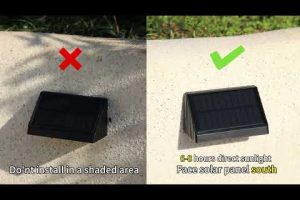
Place your floating solar pool lights in direct sunlight for at least six to eight hours during the day. Shadows from pool covers, patio umbrellas, or overhanging trees can drastically reduce the solar panel’s charging efficiency. If your pool is partially shaded, consider repositioning the floats periodically throughout the day to follow the sun’s path. For above ground pools, placing the float on the water surface where it receives maximum sun exposure is especially important because the pool walls do not reflect additional light onto the solar panel.

Winter and Off-Season Care
During colder months or periods of heavy cloud cover, solar charging becomes less efficient. If you live in a climate with harsh winters, remove your floating solar lights from the pool and store them in a dry, cool location. Before storing, clean the solar panel surface with a soft cloth to remove any mineral deposits or sunscreen residue that could block light absorption. This simple maintenance step extends the life of both the battery and the LED components significantly.
Pool Chemical Balance
While most quality floating solar pool lights are designed to resist chlorine and salt, extremely high chemical concentrations can degrade the float material and internal seals over time. Maintaining proper pH levels (between 7.2 and 7.6) in your pool not only protects the lights but also ensures a safer swimming environment overall.
Floating Solar Lights vs. Traditional Pool Lighting
For homeowners deciding between energy-efficient pool lighting options, understanding the trade-offs between floating solar lights and traditional hardwired systems is essential.
| Factor | Floating Solar Lights | Traditional Hardwired Pool Lights |
| Installation Complexity | Place on water — no wiring | Requires electrical wiring and permits |
| Operating Cost | Zero (solar powered) | Increases electricity bill |
| Portability | Move anywhere on water surface | Fixed installation location |
| Brightness Level | Medium (decorative to functional) | High (can illuminate entire pool) |
| Maintenance | Low — clean panel periodically | Moderate — bulb replacement, wiring checks |
| Safety | No electrical connection to water | Requires proper grounding and GFCI protection |
The clear advantage of floating solar pool lights lies in their simplicity, portability, and zero operating cost. However, if your primary goal is to illuminate the entire pool for lap swimming or safety purposes, traditional hardwired LED pool lights remain the superior choice. The ideal approach for many homeowners is a hybrid setup — using hardwired lights for functional illumination and floating solar lights for decorative ambiance and party atmosphere.
Creative Ways to Use Floating Solar Pool Lights
Once you have the right solar pool float lights, the possibilities for creative deployment are nearly endless. Here are some inspiring ideas that go beyond simply tossing them in the water:
- Pathway markers: Place floating solar lights in shallow decorative fountains or birdbaths leading to your pool area for a warm welcome effect.
- Party zones: Cluster multi-color floating LED lights around a poolside seating area to create an inviting gathering spot for evening entertaining.
- Themed events: Use red and green solar floats during the holidays or pastel-colored units for a spring baby shower pool party.
- Spa enhancement: Place a single high-lumen solar float in your hot tub for a serene, glowing centerpiece during evening relaxation sessions.
- Pond integration: Floating solar lights work beautifully in garden ponds and water features, adding ambient glow without disrupting aquatic plants or wildlife.
Final Thoughts and Recommendations
Floating solar pool lights represent one of the smartest investments you can make for your outdoor living space. They deliver immediate visual impact, require zero ongoing energy costs, and demand minimal maintenance once properly positioned and cared for. When shopping for solar pool light decorations, prioritize units with strong waterproof ratings, high-efficiency solar panels, and rechargeable batteries with sufficient capacity. Brands that offer warranties of at least one year and clearly list technical specifications tend to be more trustworthy and deliver better long-term value.
Start with two to three floating lights for a small to medium pool and expand from there based on your aesthetic preferences. The beauty of solar pool lighting is that it grows with your needs — you can add more floats for larger gatherings or remove them during off-seasons without any disassembly or rewiring. By combining practical purchasing decisions with the expert maintenance tips outlined in this guide, you will enjoy a beautifully illuminated pool that enhances your outdoor lifestyle for years to come.

Frequently Asked Questions About Floating Solar Pool Lights
Do floating solar pool lights work on cloudy days?
Yes, but with reduced efficiency. Monocrystalline solar panels can still charge under overcast conditions, though the runtime will be shorter — typically 40% to 60% of the runtime achieved on a fully sunny day. For consistent performance, consider units with larger battery capacities if you live in a region with frequent cloud cover.
Can floating solar pool lights be used in saltwater pools?
Most quality floating solar pool lights are rated to withstand the corrosive effects of saltwater, but it is essential to confirm the manufacturer’s specifications before purchasing. Look for IP68-rated units and rinse the floats with fresh water after each use in a saltwater pool to minimize mineral buildup on the solar panel and float surface.
How long does a floating solar pool light last before the battery needs replacement?
Rechargeable lithium-ion batteries in quality floating solar lights typically last between two and four years before showing significant capacity decline. NiMH batteries tend to last one to three years. Proper care — such as storing lights indoors during winter and avoiding over-discharge — can extend battery life significantly.
Are floating solar pool lights safe for children and pets?
Absolutely. Since floating solar pool lights contain no exposed electrical wiring and operate on low-voltage DC power stored in sealed batteries, they pose virtually no electrical hazard. However, supervise young children around any pool float to prevent choking on small removable parts, and ensure pets do not chew on the float material, which could damage the waterproof seals.
Can I leave floating solar pool lights in the pool year-round?
While many models are designed for outdoor year-round use, extreme temperature fluctuations and prolonged exposure to freezing conditions can degrade the battery and float material faster. For the longest lifespan, it is recommended to remove the lights and store them in a dry location during extended periods of non-use or freezing weather.