


Transforming your outdoor space into a welcoming extension of your home starts with the right backyard lights. Whether you are hosting weekend barbecues, enjoying quiet evenings under the stars, or simply want to boost your property’s curb appeal, outdoor lighting plays a pivotal role in setting the mood, ensuring safety, and highlighting the architectural features of your landscape. In this comprehensive guide, we will walk you through everything you need to know about selecting, installing, and maintaining backyard illumination that elevates your outdoor living experience.
Types of Backyard Lighting Options
The world of outdoor lighting has evolved dramatically, offering homeowners an impressive range of solutions tailored to different aesthetics, budgets, and functional needs. Understanding the main categories helps you make informed decisions for your space.
Solar-Powered Backyard Lights
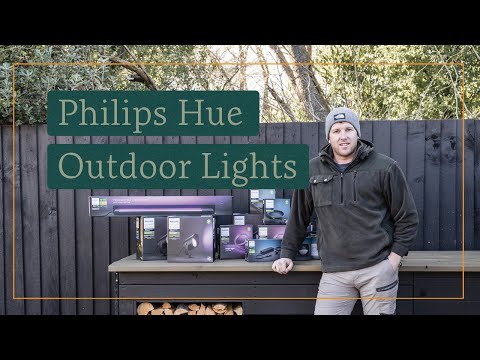
Solar-powered backyard lights have surged in popularity thanks to their energy efficiency and effortless installation. These fixtures absorb sunlight during the day and automatically illuminate your yard at night. They are ideal for homeowners who want a wire-free outdoor lighting solution without adding to their electricity bill. Modern solar lights now feature improved battery capacity and brighter LED diodes, making them far more effective than earlier models. They work best in areas that receive direct sunlight for at least six hours a day.
Low-Voltage LED Systems
Low-voltage LED systems operate at 12 volts and require a small transformer connected to your home’s electrical supply. These systems are incredibly energy-efficient, long-lasting, and offer remarkable design flexibility. You can create layered lighting effects by combining path lights, spotlights, and floodlights within a single low-voltage circuit. Professional landscapers and lighting designers frequently recommend LED systems for homeowners seeking a custom backyard lighting design with precise control over brightness and color temperature.
String Lights and Festoon Bulbs
For a warm, inviting atmosphere, string lights and festoon bulbs remain unmatched in charm. These are perfect for patios, pergolas, and dining areas where you want a soft, diffused glow. Vintage-style Edison bulbs and globe-shaped festoon lights add a rustic or Mediterranean flair to any backyard setting. Many homeowners pair string lights with dimmable outdoor switches to adjust the ambiance based on the occasion.
Spotlights and Uplighting Fixtures
Spotlights and uplighting fixtures are designed to draw attention to specific elements in your yard, such as mature trees, garden sculptures, or textured stone walls. By placing lights at ground level and angling them upward, you create dramatic shadows and depth that transform an ordinary backyard into a visually stunning landscape. This technique, known as uplighting in outdoor spaces, is a favorite among landscape lighting professionals.
How to Design a Backyard Lighting Layout
A successful backyard lighting plan does more than simply place fixtures randomly across your yard. It requires strategic thinking about function, aesthetics, and energy consumption.
Start by identifying the key zones of your outdoor space. Common zones include walkways and pathways, seating and dining areas, garden beds and flowerbeds, water features, and architectural elements like fences or pergolas. Each zone has different lighting requirements, and combining them creates a layered effect that professional designers call ambient, task, and accent lighting.
Consider the following steps when planning your layout:
- Map your yard – Sketch a rough diagram of your backyard, noting trees, structures, and areas you want to highlight.
- Define your purpose – Decide whether you need security lighting, decorative ambiance, or functional pathway illumination.
- Choose your light temperature – Warm white (2700K–3000K) creates a cozy atmosphere, while cool white (4000K–5000K) works well for task areas and security.
- Plan your circuits – Determine whether you will use solar, low-voltage, or line-voltage systems for each zone.
- Install and test – Position fixtures, test them at night, and adjust angles for the best visual impact.
Comparing Popular Backyard Light Types
Choosing the right type of backyard light can feel overwhelming given the sheer number of options available. The table below compares the most popular categories across key factors.
| Light Type | Best For | Energy Efficiency | Installation Difficulty | Average Lifespan |
| Solar Path Lights | Walkways, garden edges | Excellent | Very Easy | 2–4 years |
| LED Low-Voltage | Full backyard systems | Excellent | Moderate | 50,000+ hours |
| String Lights | Patios, pergolas | Good | Easy | 10,000+ hours |
| Spotlights/Uplights | Feature highlighting | Very Good | Moderate | 25,000+ hours |
| Hardwired Floodlights | Security, large areas | Moderate | Difficult | 15,000+ hours |
| Lantern Style Fixtures | Entryways, dining areas | Good | Easy | Varies by bulb type |
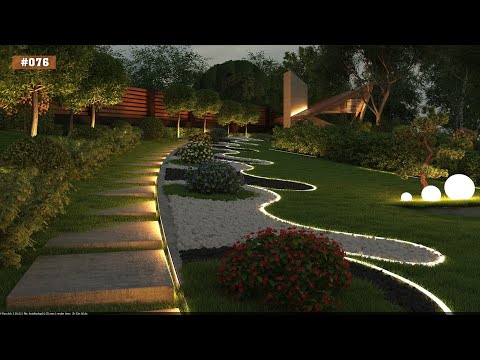
As you can see, each type serves a distinct purpose. Homeowners looking for a quick and budget-friendly backyard lighting solution should start with solar path lights and string lights. Those willing to invest in a more permanent and sophisticated setup will benefit greatly from low-voltage LED systems combined with spotlight accents.
Expert Tips for Installing Backyard Lights
Even the best lighting fixtures will underperform if installed incorrectly. Here are proven strategies from experienced outdoor lighting professionals:
- Avoid over-lighting. Too many fixtures create glare and wash out the natural beauty of your landscape. Focus on balance and negative space.
- Use timers and smart controls. Smart outdoor lighting systems allow you to schedule on/off times, adjust brightness remotely, and even sync with voice assistants like Alexa or Google Home.
- Weatherproof everything. Always check the IP (Ingress Protection) rating of your fixtures. For exposed areas, look for IP65 or higher to ensure durability against rain, dust, and humidity.
- Layer your lighting heights. Combine ground-level path lights, mid-level bollards, and overhead string lights to create visual depth and dimension.
- Consider light pollution. Use shielded fixtures that direct light downward to minimize glare for your neighbors and reduce unnecessary sky glow.
- Plan for future expansion. When installing low-voltage systems, leave extra wire and capacity in your transformer so you can add fixtures later without a complete redesign.
Best Practices for Maintaining Outdoor Lighting
Once your backyard lights are installed, ongoing maintenance ensures they continue performing beautifully for years. Simple upkeep routines can dramatically extend the life of your fixtures and prevent common issues like dimming, corrosion, or wiring faults.
Clean fixtures regularly to remove dirt, pollen, and debris that can reduce light output. For solar lights, check that panels are free from obstructions like overhanging branches or leaf buildup. Inspect wiring connections seasonally, especially after harsh winter weather or heavy storms. Replace bulbs promptly when you notice flickering or dimming, and consider upgrading older fixtures to modern LED alternatives for better efficiency and brightness.
Winter maintenance is particularly important for homeowners in colder climates. Remove snow from solar panels and ensure that exposed transformers are housed in waterproof enclosures. With proper care, a quality outdoor lighting system can deliver stunning results for a decade or more.
Frequently Asked Questions About Backyard Lights
What is the best type of backyard light for security?
Motion-activated LED floodlights with a wide beam angle are the most effective for backyard security. Pair them with solar-powered spotlights along fences and entry points for layered protection. Smart lighting systems that can be controlled remotely add an extra layer of convenience and deterrence.
How much does it cost to install backyard lights?
Costs vary widely depending on the system type and scope. Solar path lights can cost as little as $5–$15 per fixture, while a professionally installed low-voltage LED system ranges from $2,000 to $5,000 for an average-sized backyard. DIY installations using plug-and-play kits offer significant savings compared to hiring a professional electrician or landscaper.
Can I install backyard lights myself?
Absolutely. Solar and plug-in string lights require no electrical work and are ideal for beginners. Low-voltage systems with plug-and-play transformers are also beginner-friendly. However, line-voltage hardwired fixtures should always be installed by a licensed electrician to ensure code compliance and safety.
What color temperature is best for backyard lighting?
Warm white light in the 2700K to 3000K range is generally the most popular choice for backyard lighting because it creates a cozy, inviting atmosphere similar to incandescent bulbs. For task areas like grilling stations or outdoor kitchens, a slightly cooler 3500K to 4000K can improve visibility without feeling harsh.
How do I choose between solar and wired backyard lights?
Solar lights are perfect for low-traffic areas, garden borders, and decorative accents where you want hassle-free operation. Wired low-voltage or line-voltage systems provide brighter, more consistent illumination and are better suited for security lighting, large entertainment areas, and permanent installations where reliability matters most.
Conclusion
Backyard lights are far more than a decorative afterthought — they are a fundamental investment in the functionality, safety, and beauty of your outdoor living space. From simple solar path markers to sophisticated low-voltage LED networks, the right lighting strategy turns your backyard into a usable, inviting retreat that extends your living space well beyond the walls of your home. Start with a clear plan, layer your lighting types, and prioritize quality fixtures that will stand up to the elements. With thoughtful design and proper maintenance, your backyard can glow beautifully for years to come.