Bedroom track lighting has emerged as one of the most versatile and stylish solutions for illuminating personal spaces with precision, warmth, and architectural flair. Unlike traditional ceiling fixtures that cast broad, unfocused light across an entire room, track lighting systems allow homeowners to aim, reposition, and layer light exactly where it matters most. Whether you are remodeling a master suite, designing a cozy guest bedroom, or upgrading a studio apartment, understanding how track lighting works in a bedroom context can transform both the ambiance and functionality of your space. This comprehensive guide covers everything from system types and placement strategies to installation tips and product comparisons, giving you the expert-level insight needed to make confident lighting decisions.
What Is Bedroom Track Lighting and Why It Matters
Track lighting refers to a system where a continuous rail, or track, is mounted to the ceiling or wall, and individual lighting heads, also called fixtures or spots, slide onto and connect with that track. Each head can be repositioned along the track and aimed in different directions, giving you extraordinary control over light placement. In a bedroom setting, this flexibility is invaluable because it allows you to create distinct lighting zones tailored to specific activities such as reading, getting dressed, or winding down before sleep.

What makes bedroom track lighting particularly appealing compared to alternatives like recessed can lights or pendant fixtures is its adaptability. You can reconfigure the entire layout without tearing into drywall, swap heads as your needs change, and adjust beam angles to highlight artwork, architectural details, or cozy reading nooks. For homeowners seeking both form and function, track lighting bridges the gap between practical illumination and decorative design.
Types of Track Lighting Systems for Bedrooms
Not all track lighting is created equal. The three primary systems you will encounter each have distinct characteristics that affect compatibility, aesthetics, and installation complexity.
H Track Lighting
H-track, also known as Halo or Halo-compatible track, uses a specific connector design where fixtures snap or clip onto the rail with two contact points. H-track systems are widely available and tend to be more affordable. They are a solid choice for bedrooms where budget-conscious homeowners want reliable performance without sacrificing adjustability.
J Track Lighting
J-track, associated with Juno lighting, features a different connector mechanism that is not interchangeable with H-track fixtures. Juno track systems are known for their sleek profiles and are often chosen by interior designers for bedrooms where a minimalist, clean-lined aesthetic is desired.
L Track Lighting
L-track, linked to Lightolier, is the third major standard. Like J-track, L-track fixtures are not compatible with H or J systems. L-track tends to offer a slightly more industrial and architectural look, making it well-suited for modern or contemporary bedroom designs.
When shopping for bedroom track lighting, always confirm which track standard you are working with, as mixing incompatible systems can lead to frustrating fit issues and electrical hazards.
How to Choose the Right Track Lighting for Your Bedroom
Selecting the ideal track lighting system involves evaluating several critical factors that directly impact both performance and visual comfort in your bedroom.
- Track Length and Layout: Measure your ceiling dimensions carefully. Standard tracks come in four-foot and eight-foot lengths and can be cut to custom sizes. For most bedrooms, a single continuous run or a gentle L-shaped layout works best.
- Number of Fixtures: A good rule of thumb is to space heads approximately four to six feet apart along the track. For a standard 12-by-14-foot bedroom, five to seven fixtures typically provide balanced coverage.
- Bulb Type and Color Temperature: LED bulbs are the clear winner for bedroom track lighting. Choose warm white bulbs in the 2700K to 3000K range to promote relaxation and support healthy circadian rhythms.
- Beam Angle: Narrow beam angles of 15 to 25 degrees work well for spotlighting artwork or architectural features. Wider angles of 40 to 60 degrees are better for general ambient wash lighting.
- Dimmability: Always opt for dimmable fixtures and compatible dimmer switches. The ability to adjust brightness is essential for transitioning from productive evening activities to restful sleep preparation.
Placement Strategies and Layout Tips
Where you position track lighting in your bedroom dramatically affects the room’s mood and usability. Here are proven strategies employed by interior lighting designers.
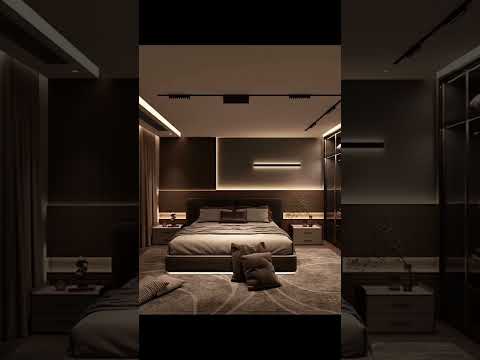
- Along the Perimeter: Mounting the track near the edges of the ceiling creates a soft, indirect wash that makes the room feel larger and more open.
- Over the Bed: Position two adjustable heads on either side of the bed to serve as dedicated reading lights. Aim them downward at a 30-degree angle from the headboard for optimal task illumination without glare.
- Highlighting Feature Walls: If your bedroom has an accent wall with textured wallpaper or built-in shelving, angle track heads directly at the surface to create dramatic depth and visual interest.
- Over Dressers and Vanities: Lighting the areas where you get ready each morning ensures even, flattering illumination for grooming and outfit selection.
- Ceiling Center for Ambient Glow: For a layered lighting approach, place a shorter track in the center of the ceiling fitted with wide-angle heads to distribute soft, general light throughout the room.
Top Bedroom Track Lighting Brands and Products Compared
The market offers a wide range of track lighting systems, from budget-friendly options to premium designer lines. The following comparison table highlights some of the most popular choices among homeowners and interior designers.
| Brand | System | Key Feature | Price Range |
| Halo (Cooper Lighting) | H-Track | Wide fixture compatibility, easy retrofitting | Budget-Friendly |
| Juno Lighting | J-Track | Sleek low-profile design, premium finish options | Mid-Range |
| Lightolier | L-Track | Industrial aesthetic, high build quality | Mid-Range |
| WAC Lighting | Universal Track | Cross-compatible with multiple standards | Premium |
| Feit Electric | Plug-in Track | No hardwiring required, DIY-friendly | Budget-Friendly |
For most homeowners, the Halo H-track system offers the best balance of affordability and selection. If you prioritize design aesthetics and are willing to invest more, Juno and WAC Lighting deliver exceptional build quality and refined finishes that elevate bedroom interiors.
Installation Guide: Setting Up Track Lighting Like a Pro
While hiring a licensed electrician is always recommended for hardwired installations, understanding the process helps you communicate effectively with professionals and ensures a smooth project.
- Plan Your Layout: Sketch the track placement on paper, marking ceiling joist locations. Use a stud finder to ensure secure mounting.
- Turn Off Power: Switch off the circuit breaker supplying the ceiling area and verify with a voltage tester before touching any wires.
- Install the Junction Box: Mount a fan-rated junction box at the desired track location, ensuring it can support the combined weight of the track and fixtures.
- Run Electrical Cable: Pull low-voltage or line-voltage cable from the junction box to the power source, following local electrical codes.
- Attach the Track: Secure the track to the ceiling using the included screws or mounting brackets. Ensure the track is level using a laser level or bubble level.
- Connect Wiring: Match and connect the house wiring to the track’s internal wiring using wire nuts. Ground the system properly.
- Attach Fixtures: Slide the lighting heads onto the track at your planned positions and secure them by tightening the set screws.
- Test the System: Restore power and test each fixture, adjusting aim and verifying dimmer functionality if applicable.
For renters or DIY enthusiasts seeking a non-permanent solution, plug-in track lighting systems from brands like Feit Electric eliminate the need for hardwiring entirely. These systems plug directly into a standard wall outlet, making them incredibly convenient and completely reversible.
Common Mistakes to Avoid
Even with the best intentions, several pitfalls can undermine your bedroom track lighting project. Avoid these common errors to ensure a flawless result.
- Mixing track standards: Purchasing H-track fixtures for a J-track system will not work and wastes money.
- Choosing the wrong beam angle: Narrow spotlights in a small bedroom create harsh pools of light; wide-angle heads in a large bedroom may leave corners dark.
- Ignoring color temperature consistency: Mixing 2700K and 5000K bulbs on the same track creates an unpleasant visual clash.
- Overlooking dimmer compatibility: Not all LED fixtures work with every dimmer switch. Check compatibility lists before purchasing.
- Placing the track too close to the wall: Mounting track lighting too near the perimeter casts unflattering shadows and reduces the ambient wash effect.
Final Thoughts and Expert Recommendations
Bedroom track lighting is far more than a functional necessity. It is a design tool that shapes how you experience your most personal space. By selecting the right track standard, positioning fixtures with intention, choosing warm dimmable LED bulbs, and layering your light sources, you can create a bedroom that feels both inviting and sophisticated. Start with a clear plan, invest in quality components, and do not be afraid to experiment with fixture placement until you achieve the perfect balance of light and shadow. Your bedroom deserves lighting that works as hard as you do every single day.
Frequently Asked Questions
Can I install track lighting in a bedroom without hiring an electrician?
Yes, plug-in track lighting systems require no hardwiring and can be installed by simply mounting the track to the ceiling with screws and plugging it into a nearby outlet. However, for hardwired installations, hiring a licensed electrician ensures code compliance and safety.
What is the best color temperature for bedroom track lighting?
Warm white bulbs in the 2700K to 3000K range are ideal for bedrooms. This color temperature mimics the soft glow of incandescent light and promotes relaxation, making it perfect for winding down before sleep.
How many track lighting fixtures do I need for a standard bedroom?
For a typical bedroom of 100 to 200 square feet, five to seven fixtures spaced four to six feet apart provide balanced, comfortable illumination. Larger rooms or rooms with high ceilings may require additional heads.
Is track lighting outdated for modern bedroom design?
Not at all. Modern track lighting has evolved significantly, offering slim profiles, minimalist finishes, and smart-compatible LED heads that complement contemporary bedroom aesthetics. Many interior designers actively recommend track lighting for its versatility and clean-lined appearance.
Can I use track lighting with smart home systems like Alexa or Google Home?
Yes, many manufacturers now offer smart-compatible track lighting heads that integrate with Alexa, Google Home, and Apple HomeKit. These systems allow voice control, scheduling, and color temperature adjustments for enhanced convenience.