If you spend hours working at a desk — whether you’re a graphic designer, a student pulling all-nighters, or a remote professional juggling multiple projects — you already know that lighting can make or break your productivity. A bright desk lamp isn’t just a convenience; it’s a game-changer for your focus, your eye health, and the quality of your output. In this comprehensive guide, we’ll explore everything you need to know about selecting, using, and optimizing the perfect bright desk lamp for your workspace. From lumen ratings and color temperature to placement strategies and expert recommendations, this article covers beginner essentials, intermediate insights, and advanced tips that will transform how you think about task lighting.
Why You Need a Bright Desk Lamp
Most people underestimate the impact of inadequate lighting on their daily performance. A dim or poorly positioned desk light forces your eyes to work harder, leading to fatigue, headaches, and decreased concentration. Research consistently shows that proper task lighting improves reading speed, accuracy, and even mood. A bright desk lamp delivers focused, directed illumination exactly where you need it — your work surface — without flooding the entire room with harsh overhead light. Whether you’re reading fine print, editing photos, writing code, or crafting detailed documents, the right bright desk lamp creates an environment that supports sustained mental effort and visual comfort.
The Science Behind Proper Lighting
Lighting isn’t just about seeing — it’s about how your brain processes information. The human eye relies on photoreceptors called rods and cones, and they function optimally under specific brightness and color conditions. Insufficient light forces your pupils to dilate excessively, causing strain. Conversely, overly bright or flickering light triggers discomfort and distraction. A quality bright desk lamp provides a balanced lux level on your desk — typically between 300 and 500 lux for detailed work — while maintaining even illumination across the surface. This balance reduces the contrast between your screen and your surroundings, which is one of the leading causes of digital eye strain.
Key Features to Look For in a Bright Desk Lamp
Not all bright desk lamps are created equal. When shopping for the best option, understanding the technical specifications and design elements that matter most will save you from buyer’s remorse and help you invest wisely.
Brightness and Lumens Explained
Lumens measure the total amount of visible light a lamp emits. For desk work, you generally want a bright desk lamp producing between 800 and 1,500 lumens at minimum. Here’s a quick breakdown:
- 800–1,000 lumens: Sufficient for general desk tasks like writing, reading, and light computer work.
- 1,000–1,500 lumens: Ideal for detailed design work, drafting, crafts, and multitasking across a large desk surface.
- 1,500+ lumens: Best for professionals who need high-intensity illumination, such as architects, engineers, and photographers reviewing prints.
Also look for lamps with dimmable brightness controls. This allows you to adjust intensity based on the time of day, the nature of your task, and your personal comfort level.
Color Temperature and Color Rendering Index
Color temperature, measured in Kelvin (K), determines whether your desk light appears warm (yellowish) or cool (bluish). For bright desk work, a range of 4,000K to 5,000K — often called neutral white to cool white — mimics natural daylight and promotes alertness and accuracy. The Color Rendering Index (CRI) measures how faithfully a light source reproduces colors compared to natural sunlight. A CRI of 90 or above is excellent and essential for anyone working with color-sensitive materials like design, photography, or art.
Adjustability and Build Quality
A great bright desk lamp should offer flexible positioning. Look for adjustable gooseneck arms, rotating heads, and clamp or weighted base options that let you direct light precisely where you need it. Build quality matters too — metal constructions and reinforced joints last significantly longer than plastic alternatives, especially if you reposition your lamp frequently throughout the day.
Types of Bright Desk Lamps
LED Desk Lamps
LED bright desk lamps dominate the market for good reason. They are energy-efficient, produce minimal heat, and have exceptionally long lifespans — often 50,000 hours or more. Modern LED desk lights come with features like touch controls, USB charging ports, and adjustable color temperature settings, making them versatile for multiple use cases. If you’re looking for the best all-around bright desk lamp, LED is the clear frontrunner.

Halogen and Incandescent Options
While less common today, halogen desk lamps produce a warm, high-CRI light that some users find more pleasant for extended reading sessions. However, they consume more energy and generate considerable heat, which can be uncomfortable during long work periods. These are best suited for users who prioritize color warmth over energy efficiency.
Solar-Powered and USB-Rechargeable Lamps
For eco-conscious users or those with limited outlet access, solar-powered bright desk lamps and USB-rechargeable task lights offer portable, sustainable lighting solutions. These are particularly popular among students, travelers, and anyone setting up a temporary workspace outdoors or in a remote location.
Top Bright Desk Lamps Compared
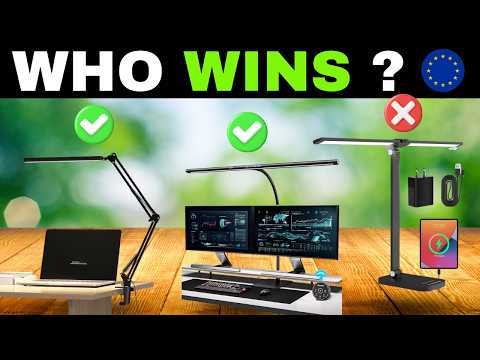
To help you narrow down your options, here’s a comparison of popular bright desk lamp categories based on key performance metrics:
| Lamp Type | Brightness Range | Color Temp Range | CRI | Best For |
| LED with Dimmable Panel | 1,000–1,500 lumens | 3,000K–6,500K | 90+ | Office professionals, designers |
| Classic Halogen Desk Lamp | 600–1,000 lumens | 2,700K–3,000K | 95+ | Reading, warm ambient work |
| USB Rechargeable LED | 500–1,200 lumens | 4,000K–5,500K | 85+ | Travel, students, outdoor use |
| Architect’s Adjustable Arm Lamp | 1,200–2,000 lumens | 4,500K–6,500K | 92+ | Drafting, precision technical work |
Expert Tips for Choosing the Right Bright Desk Lamp
- Match brightness to your primary task. If you spend most of your time on a computer monitor, you don’t need 2,000 lumens — excess brightness creates glare on screens. For reading and writing, higher lumen output is beneficial.
- Prioritize flicker-free technology. Cheap LED drivers can cause imperceptible flickering that contributes to headaches and fatigue over time. Look for lamps marketed as “flicker-free” or those with high-quality constant-current drivers.
- Consider the lamp’s footprint. A bulky base can eat into valuable desk real estate. Clamp-mount and flexible-arm designs maximize workspace while still delivering powerful illumination.
- Check for a warranty. Quality bright desk lamps from reputable brands typically offer 2–5 year warranties. This signals confidence in build quality and LED longevity.
- Test the color rendering. If you work with visual content — photos, fabrics, or physical color samples — prioritize a CRI of 90+ to ensure accurate color perception.
How to Position Your Bright Desk Lamp for Maximum Productivity
Even the most expensive bright desk lamp won’t perform well if it’s positioned incorrectly. Proper placement directly affects your comfort, eye health, and the quality of your work.

Ideal Placement and Angle
Position your desk light on the side opposite your dominant hand to minimize shadows on your work surface. If you’re right-handed, place the lamp on your left, and vice versa. The light head should be angled at roughly 30 to 45 degrees from your desk surface, directing illumination downward without shining directly into your eyes or reflecting off your computer screen.
Reducing Eye Strain and Blue Light
Extended exposure to high-color-temperature light (above 5,000K) in evening hours can disrupt your circadian rhythm and contribute to digital eye strain. Many modern bright desk lamps now include blue light filtering modes or warm dimming features that gradually shift the light toward warmer tones as the evening progresses. If your lamp lacks this feature, manually switch to a lower color temperature (around 3,500K) after sunset to protect your sleep quality and reduce eye fatigue.
Frequently Asked Questions
What lumens should a bright desk lamp have for eye comfort?
For comfortable desk work without eye strain, aim for a bright desk lamp in the 800 to 1,200 lumen range for general tasks, and up to 1,500 lumens for detailed precision work. Anything above 1,500 lumens in a small desk space can create excessive brightness and glare unless properly diffused.
Is 5000K too bright for a desk lamp?
5,000K light mimics midday natural sunlight and is excellent for alertness and detailed tasks. However, it can feel harsh during evening use. For all-day desk work, 4,000K to 4,500K offers a bright yet comfortable neutral white light that balances productivity with eye comfort.
What is the best bright desk lamp for reading and writing?
The best bright desk lamp for reading and writing combines at least 1,000 lumens, a high CRI of 90 or above, adjustable color temperature between 4,000K and 5,000K, and a flexible arm that directs light precisely onto your page without creating shadows. LED models with dimming controls and flicker-free drivers are the top choice for most users.
Can a bright desk lamp help with migraines?
Yes, indirectly. A bright desk lamp with flicker-free technology, adjustable brightness, and the ability to shift to warmer color temperatures can significantly reduce one of the common triggers for light-sensitive migraines: harsh, unstable overhead lighting. Positioning your task light correctly also reduces the contrast between your screen and workspace, which helps prevent migraine triggers associated with screen glare.
How long do LED bright desk lamps typically last?
Quality LED bright desk lamps are rated for 30,000 to 50,000 hours of use, which translates to roughly 10–15 years of average daily desk usage. The LED diodes themselves rarely burn out; instead, gradual brightness degradation over time is the primary sign of end-of-life. Look for lamps with replaceable LED panels or drivers to extend the lifespan even further.
Do bright desk lamps with USB ports save space?
Absolutely. A bright desk lamp with an integrated USB charging port eliminates the need for a separate charger or power strip, freeing up outlet space and reducing cable clutter on your desk. This is especially valuable for compact home office setups where every inch of workspace counts.
Conclusion
Choosing the right bright desk lamp is one of the highest-impact investments you can make for your productivity, comfort, and long-term eye health. By understanding lumen output, color temperature, CRI, adjustability, and placement strategy, you can cut through the noise and find a desk light that truly serves your needs. Whether you’re a beginner setting up your first home office or an experienced professional refining your workspace, the right bright desk lamp transforms any desk into a focused, comfortable, and inspiring environment. Take the time to evaluate your specific work habits, match them to the right specifications, and you’ll notice the difference every single day you sit down to work.