


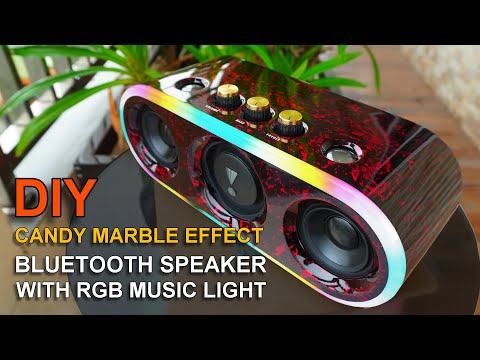
Bluetooth light technology has transformed the way we think about illumination in homes, offices, and commercial spaces. Gone are the days when a light switch was just a simple on-and-off mechanism. Today, Bluetooth-enabled lighting offers wireless control, customizable color profiles, automation capabilities, and seamless integration with smart home ecosystems. Whether you are upgrading a single room or planning a full-property smart lighting overhaul, understanding how Bluetooth smart lights work—and which options deliver the best performance—can make all the difference. This guide covers everything from foundational concepts to advanced strategies for getting the most out of your wireless lighting setup.
What Is a Bluetooth Light and Why Does It Matter?
A Bluetooth light is any lighting fixture or bulb that uses Bluetooth wireless protocol to communicate with a control device, typically a smartphone or tablet. Unlike traditional wired switches, Bluetooth lighting relies on a short-range radio frequency connection—usually Bluetooth Low Energy (BLE)—to transmit commands for dimming, color changing, scheduling, and scene creation. This matters because it removes the need for expensive hub infrastructure in many cases, making wireless lighting control accessible to a broader audience.
The significance of Bluetooth mesh lighting extends beyond convenience. These systems reduce energy consumption by enabling precise control over brightness and color temperature. They also support occupancy-based automation, which means lights can respond to presence or absence, contributing to both comfort and cost savings over time.
How Bluetooth-Enabled Lights Work: The Technology Explained
At the core of every Bluetooth smart light is a tiny radio transceiver that pairs with a nearby device using the BLE standard. Here is a step-by-step breakdown of what happens when you turn on or adjust a Bluetooth-connected bulb:
- The control device (smartphone, tablet, or voice assistant app) sends a wireless signal using Bluetooth protocols.
- The Bluetooth module inside the light receives the signal and decodes the command.
- The bulb’s internal driver adjusts power delivery to the LED components, changing brightness, color, or both.
- A confirmation signal is sent back to the control device, confirming the action was executed.
Modern Bluetooth lights also support mesh networking, where each light acts as a node that can relay signals to other lights in the network. This extends the effective range and allows dozens or even hundreds of fixtures to operate as a unified system without a central hub.
Bluetooth vs Wi-Fi Lighting: Key Differences
One of the most common questions people ask when exploring wireless lighting options is how Bluetooth compares to Wi-Fi-based smart lights. Here is a direct comparison that clarifies the distinction:
| Feature | Bluetooth Light | Wi-Fi Light |
| Connection Range | 10–30 meters (mesh extends further) | Depends on router coverage |
| Power Consumption | Very low (BLE protocol) | Higher due to continuous Wi-Fi connection |
| Hub Required | Usually no (mesh networks self-organize) | Often yes, for remote access |
| Latency | Near instant response | Slight delay possible |
| Device Limit per Network | Up to 200+ in mesh mode | Limited by router capacity |
| Remote Access Without Hub | Limited | Generally supported |
Expert insight: Bluetooth excels in local, low-latency control and is ideal for rooms with multiple fixtures. Wi-Fi is better suited when you need remote access outside your home network. Many premium Bluetooth light bulbs now support both protocols, giving users the best of both worlds.
Types of Bluetooth Lights Available Today
The Bluetooth lighting market has expanded dramatically, and consumers now have access to an impressive variety of products. Below are the most popular categories of wireless Bluetooth lighting solutions available in 2024 and beyond.
1. Bluetooth LED Bulbs
These are the most widely adopted Bluetooth lights. They replace standard bulbs in existing sockets and connect directly to your phone via a manufacturer app. Popular features include RGB color mixing, tunable white temperature, and voice assistant compatibility.
- E26/E27 base bulbs for standard American and European sockets
- GU10 and MR16 spotlights for track lighting and recessed fixtures
- A-line and globe shapes for decorative and ambient applications
2. Bluetooth Light Strips and Tape

LED strip lights with integrated Bluetooth receivers allow for under-cabinet lighting, accent walls, and architectural highlighting. These strips often support cutting to length and custom addressable segments for advanced color effects.
3. Bluetooth Panels and Downlights
Commercial and high-end residential environments frequently use Bluetooth-enabled panel lights and recessed downlights. These fixtures deliver uniform illumination while supporting sophisticated control through mesh networks.
4. Bluetooth-Controlled Fixtures and Lamps
Table lamps, floor lamps, and pendant fixtures now come with built-in Bluetooth radios, eliminating the need for separate smart bulbs. These integrated designs offer cleaner aesthetics and often include advanced sensors.

Benefits of Using Bluetooth Lights in Your Home or Office
Switching to Bluetooth-controlled lighting offers advantages that go well beyond remote control from your couch. Here are the most compelling benefits:
- Effortless installation: No wiring changes or hub purchases required for most setups. Screw in a Bluetooth bulb, download the app, and pair.
- Energy efficiency: LED technology combined with intelligent dimming and scheduling can reduce lighting energy use by up to 75% compared to incandescent alternatives.
- Scene creation: Save custom lighting scenes for reading, entertaining, working, or relaxing, and switch between them with a single tap.
- Voice control compatibility: Most Bluetooth lights integrate with Amazon Alexa, Google Assistant, and Apple HomeKit for hands-free operation.
- Security and privacy: Bluetooth operates locally, meaning your lighting commands do not necessarily travel through cloud servers, offering an additional layer of data privacy.
- Scalability: Bluetooth mesh networks can support large installations, making them suitable for both small apartments and multi-floor commercial buildings.
How to Choose the Right Bluetooth Light for Your Space
Selecting the ideal smart Bluetooth light depends on several factors, including room size, intended use, color requirements, and your existing smart home ecosystem. Follow these guidelines to make a confident purchase decision.
- Determine your connection needs. If you only need control within the same room, standard Bluetooth is sufficient. For whole-home coverage, prioritize Bluetooth mesh or dual-mode (Bluetooth + Wi-Fi) products.
- Check compatibility. Verify that the light works with your preferred control app and any voice assistants you already use.
- Assess color capabilities. RGB bulbs offer millions of color options, while tunable white bulbs focus on adjusting warmth and coolness—choose based on your aesthetic goals.
- Consider dimming range. High-quality Bluetooth lights offer smooth, flicker-free dimming from 1% to 100%, which is essential for creating atmosphere and reducing eye strain.
- Review build quality and warranty. Look for bulbs rated at 15,000 hours or more and backed by manufacturer warranties of two years or longer.
Comparison Table: Top Bluetooth Light Categories at a Glance
| Category | Best For | Color Options | Typical Price Range |
| Bluetooth LED Bulbs | Room-wide general lighting | RGB + Tunable White | $8 – $25 per bulb |
| Bluetooth Light Strips | Accent and ambient lighting | RGB + Addressable | $10 – $40 per meter roll |
| Bluetooth Panels | Offices, kitchens, commercial spaces | Tunable White | $30 – $80 per panel |
| Bluetooth Fixtures | Aesthetic and designer lighting | RGBW / Tunable White | $40 – $150 per fixture |
Expert Tips for Setting Up and Optimizing Bluetooth Lighting
Even though Bluetooth lights are designed for simplicity, a few expert strategies can dramatically improve your experience and system reliability.
- Position lights strategically. Place Bluetooth fixtures within line-of-sight of your phone or at most one mesh hop away from the nearest paired device for the strongest signal.
- Firmware updates matter. Always check for and install firmware updates through the manufacturer app. These updates often improve connection stability, add features, and patch security vulnerabilities.
- Create zones, not just individual controls. Group lights into logical zones (e.g., “Living Room,” “Kitchen Island”) within your app to streamline control and enable faster scene activations.
- Use scheduling and automation. Program lights to follow sunrise and sunset patterns, or set routines that mimic occupancy when you are away—this improves both comfort and security.
- Limit the number of simultaneous connections. Most Bluetooth lights perform best when controlled by one primary device at a time. If multiple users need access, look for lights that support shared access within the app.
- Pair with a smart home bridge if needed. While many Bluetooth lights work standalone, adding a bridge (like the Philips Hue Bridge or IKEA DIRIGERA) unlocks remote access, advanced routines, and broader compatibility.
Conclusion
Bluetooth light technology has matured into a powerful, practical, and cost-effective solution for modern illumination. From single-bulb upgrades to large-scale mesh installations, Bluetooth-controlled lighting delivers the perfect blend of convenience, energy efficiency, and design flexibility. Whether you are a beginner exploring smart home basics or an advanced user building a whole-property wireless lighting network, the options available today are more capable and more accessible than ever before. Invest in quality products, follow best-practice setup guidelines, and you will enjoy a smarter, more responsive lighting environment for years to come.
Frequently Asked Questions (FAQs)
1. Can I control Bluetooth lights without an internet connection?
Yes. Most Bluetooth lights operate locally and do not require an internet connection. As long as your phone or control device has Bluetooth enabled, you can turn lights on and off, adjust brightness, and change colors directly. However, remote access from outside your home and certain cloud-based features will not work offline.
2. How many Bluetooth lights can one phone control at once?
This depends on the manufacturer and app. Most Bluetooth light apps support controlling between 10 and 50 individual lights simultaneously. Bluetooth mesh networks further expand this by allowing each light to relay commands, enabling whole-home control from a single device without signal degradation.
3. Are Bluetooth lights secure and private compared to Wi-Fi smart lights?
Generally, yes. Bluetooth lights communicate locally and do not send data to cloud servers for basic operations. This means your lighting habits remain on your local network. Advanced Bluetooth encryption protocols (such as BLE Secure Connections) provide additional protection against unauthorized access, making Bluetooth wireless lighting a privacy-friendly choice.
4. Do Bluetooth lights work with voice assistants like Alexa and Google Assistant?
Most modern Bluetooth smart light bulbs do work with major voice assistants, but there is a caveat. Some Bluetooth-only lights require a bridge or hub to connect to Alexa, Google Assistant, or Apple HomeKit. Dual-mode lights that include both Bluetooth and Wi-Fi typically support direct voice assistant integration without additional hardware.
5. What is the lifespan of a typical Bluetooth LED light?
Quality Bluetooth LED bulbs are rated for approximately 15,000 to 25,000 hours of use, which translates to roughly 10 to 15 years of typical household operation (averaging 3 hours per day). The Bluetooth radio module itself does not significantly affect the overall lifespan, as it consumes minimal power and operates independently of the LED driver.
6. Can I mix Bluetooth lights from different brands in one room?
While technically possible, mixing brands often leads to a fragmented control experience. Each manufacturer typically has its own app, and managing multiple apps for lights in a single room can be cumbersome. For the smoothest experience, it is recommended to stick with one ecosystem or choose lights that support a universal protocol like Bluetooth mesh with cross-platform compatibility.