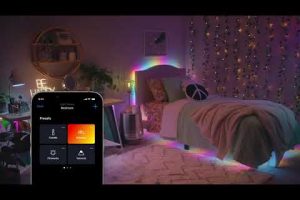
Cync light bulbs represent one of the most compelling entries into the smart lighting space, especially for homeowners already invested in the LG smart home ecosystem. These intelligent bulbs combine wireless connectivity, energy efficiency, and customizable lighting scenes into a package that appeals to both tech enthusiasts and casual users alike. Whether you are upgrading a single room or building a whole-home smart lighting setup, understanding what Cync bulbs bring to the table — and how they stack up against competing brands — is essential before making a purchase decision. This guide covers everything from the different Cync bulb types available, to compatibility requirements, expert setup tips, and frequently asked questions that buyers often overlook.
What Are Cync Light Bulbs?
Cync is LG’s dedicated smart home brand, and its line of smart light bulbs integrates seamlessly with the Cync app (which now operates under the broader LG ThinQ platform). These bulbs connect to your home’s Wi-Fi network or Bluetooth, allowing you to control brightness, color temperature, and RGB color options directly from your smartphone. Unlike traditional bulbs, Cync light bulbs are designed to work within a broader smart home infrastructure, meaning they can be automated, grouped into rooms, and triggered by voice commands through popular assistants like Amazon Alexa, Google Assistant, and Apple HomeKit. The brand positions itself as a more affordable yet feature-rich alternative to established players like Philips Hue, making smart lighting accessible without sacrificing functionality.
Types of Cync Smart Bulbs Available
Cync offers several bulb form factors and configurations to suit different lighting needs. Below is a breakdown of the most commonly available variants:
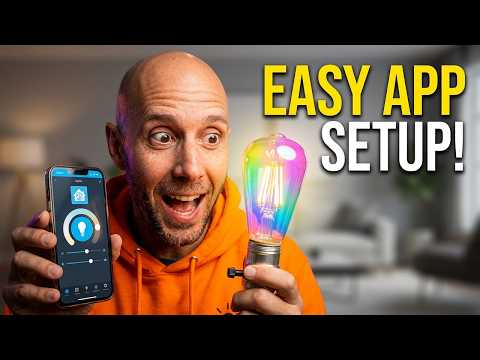
A19 Wi-Fi LED Bulbs
The A19 shape is the most standard household bulb size, and Cync’s A19 Wi-Fi LED bulbs fit standard E26 sockets found in most American homes. These bulbs offer dimmable white light and, in some models, full RGB color capabilities. They connect directly to your Wi-Fi network, eliminating the need for a separate hub.
BR30 and PAR38 Floodlight Bulbs
For recessed lighting, track lighting, and outdoor fixtures, Cync provides BR30 and PAR38 models. These directional bulbs deliver focused light beams and are ideal for kitchens, garages, and landscapes. Both variants support dimming and color temperature adjustment.
Globe and Decorative Bulbs
Cync also produces globe-shaped bulbs designed for bathroom vanity fixtures and pendant lights where aesthetics matter alongside smart functionality. These often come in frosted finishes to reduce glare.
Tunable White Bulbs
Tunable white Cync bulbs allow users to shift the color temperature from warm amber (around 2700K) to cool daylight (around 6500K). These are particularly popular for users who want to adjust lighting to match circadian rhythms or create different moods throughout the day.
Key Features and Benefits of Cync Light Bulbs
What sets Cync bulbs apart is the combination of hardware capability and software integration. Here are the standout features:
- Direct Wi-Fi Connectivity: No hub required for most models, which significantly reduces setup complexity and upfront cost.
- Voice Assistant Support: Native compatibility with Alexa, Google Assistant, and Apple HomeKit means hands-free control is built in.
- Scheduling and Automation: The Cync app (LG ThinQ) lets you create schedules, timers, and routines that turn lights on or off based on time of day or location.
- Color and Scene Presets: Users can save custom lighting scenes and recall them instantly — useful for movie nights, reading, or entertaining guests.
- Energy Efficiency: LED technology ensures these bulbs consume a fraction of the energy used by incandescent alternatives, with lifespans often exceeding 15,000 hours.
- Group Control: Multiple Cync bulbs can be grouped together so a single command adjusts every bulb in a room simultaneously.
Cync Light Bulbs vs. Competitors: A Comparison
When shopping for smart bulbs, it is helpful to understand where Cync sits relative to other popular brands. The table below highlights key comparison points between Cync and its most direct competitors.
| Feature | Cync Light Bulbs | Philips Hue | LIFX | Sengled |
| Hub Required | No (Wi-Fi direct) | Yes (Hue Bridge) | No | No (some models) |
| Wi-Fi Connectivity | Yes | No (Zigbee) | Wi-Fi | Wi-Fi |
| Color Range | 16 million colors | 16 million colors | 16 million colors | Varies by model |
| Voice Assistants | Alexa, Google, HomeKit | Alexa, Google, Siri | Alexa, Google, Siri | Alexa, Google |
| Price Range (per bulb) | $10–$25 | $15–$50+ | $30–$60 | $8–$20 |
| App Ecosystem | Cync / LG ThinQ | Philips Hue Bridge | LIFX App | Sengled App |
| Maximum Brightness | 800–1600 lumens | Up to 1600 lumens | Up to 1100 lumens | Up to 1600 lumens |
| Smart Home Integration | LG ThinQ, Alexa, Google | Extensive (Alexa, Google, IFTTT) | Alexa, Google | Alexa, Google |
The most significant advantage Cync holds over Philips Hue is the absence of a hub requirement. Hue’s Zigbee-based ecosystem delivers a more robust and responsive smart lighting experience, but it demands an additional hardware purchase. Cync bulbs trade that level of granularity for simplicity and lower entry cost. Compared to Sengled, Cync generally offers a more polished app experience and deeper integration with LG’s broader smart home platform, including refrigerators, air conditioners, and robotic vacuums.
Setup and Compatibility Requirements
Setting up Cync light bulbs is designed to be straightforward, even for users with minimal technical experience. The typical setup process involves the following steps:
- Screw the Cync bulb into a standard socket and power it on.
- Download the Cync app (or the LG ThinQ app, depending on your region and firmware version).
- Create an account or sign in with your LG credentials.
- Follow the in-app prompts to scan for nearby bulbs and connect them to your home Wi-Fi network.
- Assign bulbs to rooms, set up scenes, and link your preferred voice assistants.
Compatibility-wise, Cync bulbs work best with 2.4 GHz Wi-Fi networks, as most smart home devices do not support the 5 GHz band. A stable internet connection is necessary for remote access and automation features, though basic on/off and dimming functions may work locally even during an outage if the bulb retains its last network state. The bulbs are compatible with most standard E26 and E27 sockets in North America and international markets, respectively.
Expert Tips for Maximizing Your Cync Smart Lighting
To get the most out of your Cync light bulbs, consider these practical recommendations drawn from real-world usage:
- Use the 2.4 GHz band exclusively. Many routers use dual-band broadcasting, and smart bulbs can struggle to connect on 5 GHz. If possible, separate the bands or connect bulbs only to the 2.4 GHz network.
- Group bulbs by room for efficient control. Rather than controlling individual bulbs, create room groups in the app so one command adjusts multiple fixtures at once.
- Leverage scheduling for energy savings. Set bulbs to turn off automatically when you leave home and dim in the evening to reduce unnecessary energy consumption.
- Explore IFTTT and third-party integrations. While Cync’s native app is solid, connecting bulbs to IFTTT allows for advanced triggers — such as turning lights on when a smart doorbell detects motion.
- Update firmware regularly. App and firmware updates often include bug fixes, new color palettes, and improved connectivity stability.
Frequently Asked Questions About Cync Light Bulbs
Can Cync Light Bulbs Work Without an Internet Connection?
Basic on/off and dimming functions may still work locally through Bluetooth or the last known network state, but advanced features like scheduling, remote access, and voice assistant integration require an active internet connection. Without Wi-Fi, you lose the ability to control bulbs from outside your home or trigger automated routines.
Are Cync Light Bulbs Compatible with Apple HomeKit?
Yes, many Cync bulb models are certified for Apple HomeKit integration. This means you can control your Cync lights using Siri, the Apple Home app, and create HomeKit-compatible automations. However, always verify the specific model’s compatibility before purchasing, as not every Cync SKU supports HomeKit.
What Is the Lifespan of a Cync Smart Bulb?

Most Cync LED bulbs are rated for approximately 15,000 to 25,000 hours of use, which translates to roughly 10 to 25 years of typical household usage (assuming about 3 hours of daily operation). The LED components degrade gradually over time rather than burning out abruptly, so you will notice a slow dimming before the bulb reaches end of life.
Do Cync Light Bulbs Require a Special Dimmer Switch?
Cync smart bulbs handle dimming digitally through the app or voice commands, so they do not require a compatible smart dimmer switch. However, if you already have a traditional dimmer installed on the wall, it may cause flickering or inconsistent brightness levels. For the best experience, keep traditional dimmers in the off position and use the Cync app or voice assistant for dimming control.
How Many Cync Bulbs Can I Connect to One Wi-Fi Network?
The Cync app supports a large number of connected devices, but the practical limit depends on your router’s capacity. Most users successfully connect 30 to 50 Cync bulbs on a single network without performance issues. If you plan to outfit an entire house with smart bulbs, consider a dedicated smart home hub or a mesh router to ensure stable connectivity across all devices.
Final Thoughts
Cync light bulbs deliver a compelling smart lighting experience at a price point that undercuts many of the more established brands in the market. Their direct Wi-Fi connectivity removes the friction of hub-based systems, and the integration with LG’s broader smart home ecosystem adds a layer of convenience that is hard to ignore. While power users who demand the absolute highest level of control and responsiveness may still prefer Philips Hue’s Zigbee-based architecture, Cync bulbs represent the sweet spot for mainstream consumers who want intelligent lighting without the complexity or premium price tag. If you are building or expanding a smart home and lighting is part of the equation, Cync smart bulbs deserve a serious look.