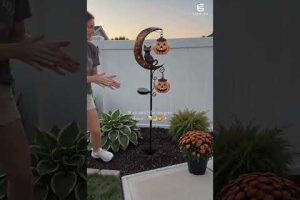
Hanging solar lights outdoor have rapidly evolved from simple garden decorations into powerful, energy-efficient lighting solutions that can transform any patio, garden, or backyard into a beautifully illuminated space after dark. Whether you are looking to create a cozy ambiance for evening gatherings, enhance the safety of your walkway, or simply add a touch of charm to your outdoor living area, hanging solar lights offer a versatile and eco-friendly approach that traditional wired fixtures simply cannot match. In this comprehensive guide, we will explore everything you need to know about selecting, installing, and maintaining outdoor hanging solar lights — from understanding the underlying solar technology to expert placement strategies that maximize both aesthetics and functionality.
Why Hanging Solar Lights Outdoor Are a Game-Changer for Your Yard
The appeal of solar-powered outdoor lighting has surged in recent years, and for good reason. Unlike conventional outdoor lights that depend on electrical wiring and grid power, hanging solar lights harness free, renewable energy directly from the sun. This means zero electricity bills, minimal environmental impact, and complete freedom when it comes to placement. You are not constrained by proximity to an outlet or the hassle of running extension cords across your lawn. For homeowners looking to upgrade their landscape lighting without a major investment or professional installation, hanging solar lights for outdoor use represent one of the most practical and cost-effective solutions available today.
Beyond the financial and practical benefits, there is a strong aesthetic dimension. Modern solar hanging lights come in an impressive range of designs — from rustic lantern styles and bistro string lights to sleek, contemporary geometric shapes — allowing you to curate an outdoor atmosphere that reflects your personal taste. The soft, warm glow produced by LED solar lights creates an inviting environment that extends the usable hours of your deck, patio, or pergola well into the evening.
How Hanging Solar Lights Work: Understanding the Technology
To make an informed purchase, it helps to understand the basic mechanics behind outdoor hanging solar lights. Every solar light system consists of three core components working together seamlessly.
Solar Panel and Photovoltaic Cells
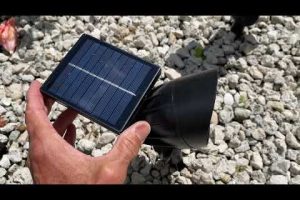
The heart of any hanging solar light is the photovoltaic (PV) panel, which converts sunlight into electrical energy through the photovoltaic effect. Most outdoor hanging solar lights feature small monocrystalline or polycrystalline solar panels mounted on top of or integrated into the light unit. Monocrystalline panels are generally more efficient at converting sunlight into electricity, especially in low-light or partially shaded conditions, which is a critical advantage for homeowners in northern climates or areas with frequent cloud cover.
Rechargeable Battery Storage

Energy collected during the day is stored in a built-in rechargeable battery — typically a lithium-ion or NiMH (nickel-metal hydride) cell. Lithium-ion batteries are the superior choice for solar lighting because they offer higher energy density, longer cycle life, and better performance in cold weather. A fully charged battery can power most hanging solar lights for eight to twelve hours on a single day of sun exposure, depending on the battery capacity and the light mode selected.
LED Light Source and Smart Controls
Light-emitting diodes (LEDs) are the standard light source for solar hanging lights because of their exceptional energy efficiency and long lifespan — often rated for 25,000 to 50,000 hours of use. Many premium models include multiple illumination modes, such as steady warm white, soft flickering flame effect, color-changing RGB, and dimmed eco mode. Some advanced hanging solar lights even incorporate built-in light sensors that automatically turn the lights on at dusk and off at dawn, eliminating the need for manual operation.
Types of Hanging Solar Lights for Outdoor Spaces
The market for outdoor solar hanging lights is diverse, and selecting the right type depends on your specific needs, aesthetic preferences, and the size of the area you want to illuminate.
| Light Type | Best Use Case | Typical Brightness (Lumens) | Style |
| Solar String Lights | Porches, pergolas, patios | 10–50 lm per bulb | Decorative, warm ambiance |
| Solar Lantern Lights | Pathways, fence hooks, tree branches | 20–100 lm per unit | Rustic, traditional |
| Solar Chandelier Lights | Dining areas, gazebos | 50–150 lm per unit | Elegant, statement piece |
| Solar Stake-to-Hang Lights | Mixed garden and overhead lighting | 15–80 lm per unit | Versatile, multi-function |
| Solar Spot/Flood Hanging Lights | Security, accent lighting | 100–300 lm per unit | Functional, modern |
For a cohesive outdoor look, many homeowners opt to mix two or more types — for example, using solar string lights across a pergola for ambient glow and placing solar lantern-style lights along a garden path for wayfinding. This layered approach creates depth and visual interest while ensuring every corner of your outdoor space is adequately lit.
Choosing the Right Hanging Solar Lights: Key Features to Consider
Not all solar hanging lights are created equal. When shopping for the best hanging solar lights outdoor, pay close attention to the following specifications:
- Solar Panel Efficiency: Look for panels with a conversion rate of at least 15–18%. Higher-efficiency panels charge faster and store more energy, which translates to longer runtime on cloudy days.
- Battery Capacity (mAh): A battery capacity of 1,000–2,000 mAh is standard for most residential hanging solar lights. For larger fixtures or multiple light modes, aim for 2,000 mAh or higher.
- IP Rating for Weather Resistance: Since these lights will be exposed to rain, dew, and temperature fluctuations, choose models with an IP44 rating or higher for reliable water and dust resistance.
- Light Warmth (Color Temperature): Warm white lights (2,700K–3,000K) create the most inviting outdoor atmosphere and are the most popular choice for hanging solar fixtures. Cool white (4,000K+) works better for task or security lighting.
- Mounting Options: The best hanging solar lights offer multiple mounting methods — hooks, chains, brackets, or carabiner clips — so you can adapt them to pergolas, tree branches, fences, and shepherd’s hooks with ease.
Expert Placement Tips for Maximum Illumination

Placement is arguably the single most important factor in getting the best performance from your hanging solar outdoor lights. Even the highest-quality fixture will underperform if it is positioned incorrectly. Here are proven strategies that both beginners and experienced homeowners should follow.
Angle the Solar Panel Toward Direct Sunlight
Ensure the solar panel faces south (in the Northern Hemisphere) and receives a minimum of six to eight hours of direct sunlight daily. Obstructions like roof overhangs, tree canopy, or tall fences can dramatically reduce charging efficiency. If your hanging light is positioned under a dense tree or deep porch overhang, consider removing the solar panel from the fixture and mounting it separately in a sunnier spot using the included cable.
Layer Your Lighting Heights
For a professionally designed outdoor lighting scheme, hang solar lights at varying heights. Place string lights at ceiling height on a pergola, lanterns at mid-level on fence hooks or shepherd’s poles, and spotlights higher up to cast light across larger areas. This vertical layering eliminates flat, one-dimensional lighting and adds dimension to your outdoor space.
Keep Panels Clean
Dust, pollen, bird droppings, and fallen leaves on the solar panel surface can block sunlight and significantly reduce charging performance. Wipe the panel with a damp cloth every two to four weeks during peak growing and pollen seasons. This simple maintenance habit can extend your nightly runtime by up to 30%.
Maintenance and Longevity Tips for Outdoor Hanging Solar Lights
One of the biggest advantages of hanging solar lights is their low maintenance requirement, but a little care goes a long way in extending their lifespan. Here are practical steps to keep your outdoor solar lighting system performing at its best:
- Seasonal battery care: In winter months with reduced daylight, remove the lights and store them indoors if possible. Cold temperatures reduce battery efficiency and can shorten the lifespan of NiMH cells.
- Replace batteries when needed: Most solar light batteries last two to three years before showing noticeable decline in runtime. Replacement batteries are inexpensive and widely available for popular solar light models.
- Check connections: If a hanging solar light stops working, inspect the connection between the solar panel and the light unit. Corrosion or moisture intrusion at the junction point is a common cause of failure.
- Use a clear protective spray: Applying a UV-resistant clear coat to the solar panel and the light housing can help protect against sun damage and extend the overall durability of the fixture.
Conclusion
Hanging solar lights outdoor represent one of the smartest investments any homeowner can make for their landscape. They combine sustainability, affordability, and stunning visual appeal in a single package that requires virtually no wiring, no ongoing electricity costs, and very little maintenance. Whether you are a beginner exploring solar lighting for the first time or an experienced homeowner looking to refine your outdoor setup with advanced, high-efficiency fixtures, the range of options available today ensures there is a perfect solution for every space, style, and budget. By understanding the technology, selecting the right type of light, and following the placement and maintenance tips outlined above, you can enjoy beautifully illuminated outdoor living spaces for years to come.
Frequently Asked Questions
How long do hanging solar lights last on a full charge?
Most hanging solar lights for outdoor use will illuminate for six to twelve hours on a single full charge, depending on the battery capacity, the selected light mode, and the amount of daily sunlight the solar panel receives. Eco or dimmed modes significantly extend runtime, while high-brightness or color-changing modes consume battery faster.
Can hanging solar lights charge on cloudy days?
Yes, modern solar panels can still generate electricity on cloudy days, though at a reduced rate. Monocrystalline panels perform better in overcast conditions than polycrystalline alternatives. For consistent performance in regions with frequent cloud cover, choose models with larger solar panels and higher-capacity lithium-ion batteries.
Are hanging solar lights waterproof enough for rainy climates?
The best outdoor hanging solar lights carry an IP44 rating or higher, making them resistant to splashing water and rain. However, they are not designed for submersion. If you live in an area with heavy, prolonged rainfall, look for fixtures rated IP65 or above for enhanced weatherproofing.
What is the best hanging solar light for a patio or deck?

Solar string lights and mini solar lanterns are the most popular choices for patios and decks because they provide warm, ambient illumination without overwhelming the space. Look for models with adjustable hanging length, multiple light modes, and weather-resistant construction rated at least IP44 for reliable year-round performance.
Do hanging solar lights need direct sunlight to work properly?
Direct sunlight is ideal for maximizing solar charging efficiency, but hanging solar lights can still function with indirect or filtered light. Placing the solar panel in a location that receives at least four to six hours of indirect light per day will produce a shorter runtime. For optimal results, position the panel where it receives the most unobstructed sun exposure throughout the day.