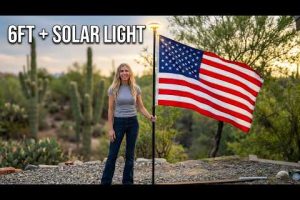
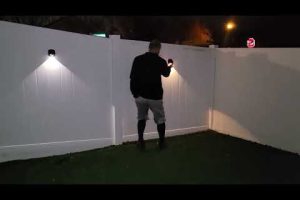
When you think about illuminating a flagpole, the first image that likely comes to mind is a traditional wired floodlight bolted to a concrete base, tangled in cables, and tethered to an electrical grid. But the world of outdoor lighting has evolved dramatically, and the flagpole solar light has emerged as a game-changer for homeowners, municipalities, businesses, and patriotic organizations alike. These self-contained, energy-efficient units mount directly onto your flagpole or attach to its base, harnessing the power of the sun to keep your flag — and surrounding area — brilliantly lit from dusk to dawn. Whether you are looking to honor a veteran, enhance curb appeal, improve safety around your property, or add a stunning visual centerpiece to your landscape, a solar-powered flagpole light delivers impressive results without the electrical complexity or ongoing energy costs.
What Is a Flagpole Solar Light?
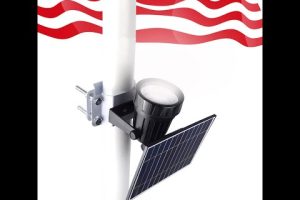
A flagpole solar light is a specialized outdoor lighting fixture designed to illuminate a flagpole and its surrounding area using solar energy. Unlike conventional landscape lights that require wiring and grid electricity, these units integrate a small solar panel, a rechargeable battery (typically lithium-ion or LiFePO4), an LED bulb array, and a weatherproof housing into a single compact assembly. During daylight hours, the solar panel absorbs sunlight and converts it into electrical energy stored in the internal battery. As ambient light dims in the evening, a built-in photoresistor or smart sensor triggers the LED array to automatically illuminate the flag and nearby space. Most flagpole solar lights range from 30 to 200 lumens and are engineered to withstand rain, snow, UV exposure, and extreme temperatures, making them reliable year-round solutions for both residential and commercial use.
Benefits of Installing a Flagpole Solar Light

The advantages of choosing a solar-powered option over traditional wired lighting extend well beyond simply avoiding an electrician.
Energy Efficiency and Cost Savings
A solar flagpole light operates entirely off the grid, meaning zero electricity bills. Once installed, the only maintenance cost is occasional battery replacement every three to five years. For homeowners paying rising utility rates, this translates into significant long-term savings. For municipalities managing dozens of flagpoles across parks and public squares, the cumulative cost reduction is substantial.
Enhanced Visibility and Patriotism
A well-lit flagpole is impossible to miss after sunset. A dedicated solar light ensures that your flag remains visible and dignified around the clock, reinforcing its symbolic importance whether it is flying over a suburban home, a school campus, or a veteran’s memorial.
Safety and Security
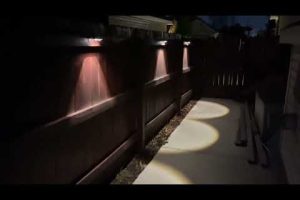
Beyond flag illumination, these lights cast ambient glow across walkways, driveways, and entryways. The added visibility deters trespassing, reduces tripping hazards on uneven terrain near the flagpole base, and helps visitors navigate your property safely at night.
Eco-Friendly Operation
Solar lighting produces zero carbon emissions during operation. By choosing a flagpole solar lighting solution, you contribute to a cleaner environment without sacrificing functionality or aesthetic appeal.
Key Features to Look For in a Flagpole Solar Light
Not all solar flagpole lights are created equal. When evaluating options, focus on the following critical specifications to ensure you invest in a product that delivers lasting performance.
- Solar Panel Efficiency: Monocrystalline panels convert sunlight to energy more efficiently than polycrystalline alternatives. Look for panels rated at 15% efficiency or higher for optimal charging performance, especially in regions with limited winter sunlight.
- Battery Type and Capacity: Lithium-ion batteries offer superior cycle life and charge retention compared to older NiMH alternatives. A battery capacity of 2,000 mAh or higher ensures reliable illumination through cloudy days and shorter winter nights.
- LED Brightness (Lumens): For flagpole illumination, aim for 50 to 150 lumens. This range provides enough brightness to clearly light the flag without creating excessive glare or light pollution.
- IP Rating (Weatherproofing): Choose a fixture rated at least IP65 for dust-tight and water-jet resistance. Flagpoles are exposed to the elements, so robust weather sealing is non-negotiable.
- Mounting Compatibility: Ensure the light fits your flagpole diameter. Universal mounting brackets accommodate poles from 1.5 inches to 3 inches, but always verify dimensions before purchasing.
- Auto On/Off Sensor: A reliable dusk-to-dawn sensor eliminates the need for manual operation and ensures consistent nightly performance.
Types of Flagpole Solar Lights
Understanding the different categories helps you select the right product for your specific application.
- Flagpole-Mounted Spotlight Lights: These attach directly to the pole and direct a focused beam upward to illuminate the flag itself. They are the most popular choice for residential and ceremonial settings.
- Ground-Based Solar Light Kits: Some kits include a solar panel that can be staked into the ground near the flagpole, with a separate light head that attaches to the pole. This design allows the solar panel to face optimal sun exposure even if the pole sits in a shaded area.
- All-in-One Integrated Units: These combine the solar panel, battery, and LED into a single unit that slides over the top or clips to the side of the flagpole. They are the easiest to install and maintain.
- Multi-Head Flagpole Light Sets: For larger flagpoles or commercial installations, these systems feature two or more LED heads that provide 360-degree illumination around the pole and base area.
How to Choose the Right Flagpole Solar Light
Selecting the ideal light comes down to matching your specific needs with the right product characteristics. Start by measuring your flagpole diameter and determining the desired illumination radius. If your flagpole stands in a fully shaded yard, prioritize a model with an external solar panel that can be repositioned for maximum sun exposure. For areas prone to harsh winters, opt for a light with a LiFePO4 battery, which performs reliably in cold temperatures and maintains a longer lifespan than standard lithium-ion cells. Budget-conscious buyers should know that quality solar flagpole lights typically range from $25 to $80 for residential models, with commercial-grade options reaching $150 or more for enhanced brightness and durability.
Installation Tips and Best Practices
Installing a flagpole solar light is straightforward, but a few expert tips ensure peak performance.
- Clean the flagpole surface before mounting to ensure the bracket adheres or bolts tightly without vibration loosening over time.
- Position the solar panel at the highest point possible to maximize direct sunlight exposure throughout the day.
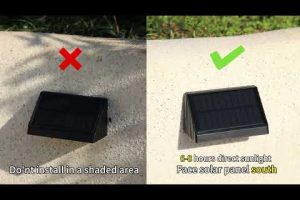
- Angle the solar panel toward true south (in the Northern Hemisphere) for maximum daily energy capture.
- Test the photoresistor by covering the sensor with your hand to confirm the light activates promptly at dusk.
- Periodically wipe down the solar panel with a damp cloth to remove dust, pollen, and bird droppings that can reduce charging efficiency.
Flagpole Solar Light Comparison Table
| Feature | Basic Model | Mid-Range Model | Premium Model |
| Brightness (Lumens) | 30–60 | 80–120 | 150–200 |
| Solar Panel Type | Polycrystalline | Monocrystalline | Monocrystalline (High Efficiency) |
| Battery | NiMH 1,000 mAh | Li-ion 2,000 mAh | LiFePO4 3,000 mAh |
| Weatherproof Rating | IP65 | IP65 | IP67 |
| Runtime per Charge | 6–8 hours | 10–12 hours | 14–18 hours |
| Mounting Style | Clamp-on | Clamp or ground panel | Clamp, ground panel, or magnetic |
| Approximate Price | $15–$30 | $35–$65 | $70–$150 |
Maintenance Tips for Long-Lasting Performance
A solar flagpole light requires minimal upkeep, but consistent care extends its lifespan significantly. Replace the rechargeable battery every three to four years, or sooner if you notice the light dimming before dawn. During autumn, clear fallen leaves and debris from the solar panel surface to prevent shading. In regions with heavy snowfall, temporarily tilt the panel to shed snow accumulation. Inspect mounting brackets seasonally for rust or corrosion, especially if you live near coastal areas with salt air exposure. Applying a thin layer of dielectric grease to electrical connections protects against moisture intrusion and galvanic corrosion.
Frequently Asked Questions
Can a flagpole solar light work on cloudy days?
Yes, modern solar flagpole lights can still charge on overcast days, though at reduced efficiency. High-quality models with larger battery reserves (2,000 mAh or more) store enough energy during partially cloudy days to provide 8 to 12 hours of illumination even when direct sunlight is limited. For regions with prolonged cloudy seasons, selecting a unit with a LiFePO4 battery and a larger solar panel surface area helps maintain consistent nightly performance.

What flagpole diameter do most solar lights fit?
The majority of flagpole solar lighting kits are designed with adjustable clamps that fit flagpole diameters ranging from 1 inch to 3 inches, which covers the most common residential and commercial pole sizes. Before purchasing, measure your pole’s outer diameter accurately and check the manufacturer’s compatibility specifications to ensure a secure, vibration-free fit.
How long does the battery last in a flagpole solar light?
Lithium-ion batteries in quality solar flagpole lights typically last between three and five years before requiring replacement. LiFePO4 batteries, found in premium models, can endure five to seven years due to their superior chemical stability and deeper discharge tolerance. Regular maintenance, such as keeping the solar panel clean and avoiding complete battery drain, significantly extends overall battery lifespan.
Is it difficult to install a flagpole solar light without electrical wiring?
Not at all. One of the greatest advantages of a solar flagpole light is its plug-and-play simplicity. Most models attach directly to the flagpole with a spring clamp, screw bracket, or adhesive mount, requiring no wiring, no electrical permits, and no connection to your home’s power supply. Full installation typically takes under ten minutes, making it an accessible DIY project for homeowners of all skill levels.
Do flagpole solar lights attract insects?
LED-based solar flagpole lights emit minimal UV radiation compared to traditional incandescent or halogen bulbs, which means they attract significantly fewer insects. Warm-toned LEDs (2700K–3000K color temperature) are especially effective at reducing bug attraction while still providing sufficient illumination for flag visibility and pathway safety.
Can I connect multiple solar lights to one flagpole for brighter illumination?
Yes, many homeowners and facility managers install two or three flagpole solar light units on a single pole to achieve wider coverage or higher brightness. When doing so, ensure each unit has its own independent solar panel for optimal charging, and stagger the mounting heights to create layered, even illumination across the flag and surrounding area without harsh overlapping glare.
Final Thoughts
The flagpole solar light represents the perfect intersection of patriotic pride, practical functionality, and sustainable technology. Whether you are a homeowner wanting to honor your flag with dignified nighttime illumination, a school administrator seeking a cost-effective way to keep your campus flag visible, or a community organizer planning a memorial installation, solar-powered flagpole lighting delivers reliable, attractive, and environmentally responsible results. By choosing a quality unit with strong weatherproofing, a high-efficiency solar panel, and a durable lithium battery, you invest in a lighting solution that pays for itself through energy savings while keeping your flag proudly illuminated all year long.