LED photography lights have fundamentally transformed how photographers and videographers approach lighting in both studio and on-location environments. Unlike traditional flash units that deliver brief, intense bursts of illumination, LED panels and fixtures provide continuous, adjustable light that allows you to see exactly what your final image or video will look like before you capture it. Whether you are a solo content creator building a home studio, a wedding photographer managing complex multi-light setups, or a filmmaker working on narrative scenes, understanding how to choose and use LED photography lights is one of the most impactful skills you can develop. This comprehensive guide covers everything from the basics of continuous LED lighting to advanced techniques that will help you elevate your creative work to the next level.
What Are LED Photography Lights and Why Do They Matter?
LED photography lights are portable or stationary light sources that use light-emitting diodes to produce consistent, energy-efficient illumination for photographic and video applications. These fixtures have gained massive popularity over the last decade because they combine professional-grade light output with remarkable portability and versatility. When you invest in high-quality LED lighting, you gain precise control over color temperature, intensity, and direction — all without the steep learning curve associated with strobe systems. Continuous lighting also makes it significantly easier to guide subjects, adjust compositions on the fly, and preview shadows and highlights in real time, which is why LED panels have become the go-to choice for content creators working in YouTube, TikTok, and social media production.
Types of LED Lighting for Photography
Continuous LED Panels
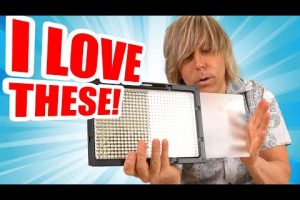
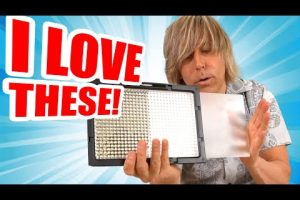
LED panels are flat, rectangular fixtures that range from compact pocket-sized units to large, dual-source studio panels. They are the most popular format for photographers who need reliable, even illumination across a scene. Most professional panels feature adjustable color temperature controls spanning roughly 2700K to 6500K, along with dimming options that let you fine-tune output from full brightness down to nearly zero. Popular models from brands like Aputure, Godox, and Nanlite offer features such as built-in batteries, wireless remote control, and app-based color tuning, making them indispensable tools for modern photographers.
LED Light Sticks and Tubes
Light sticks and LED tubes are elongated, flexible fixtures designed for creative lighting effects, accent illumination, and background separation. You will often see these in music videos, product photography, and cinematic interviews where the subject needs a distinctive colored rim or edge light. Tubes from companies like Aputure (Amaran PT1c) and Nanlite (PavoTube) offer RGB or RGBWW color capabilities, meaning you can produce virtually any hue across the visible spectrum. Their slim, lightweight form factor makes them easy to mount on light stands, clamp onto set pieces, or even hold by hand for on-the-fly creative adjustments.
Portable LED Video Lights
For photographers and videographers who work outside the studio, portable LED lights are essential gear. These units are battery-powered, lightweight, and designed to fit into a camera bag without taking up much space. Many portable options use COB (Chip on Board) LED technology, which packs a high-density light source into a remarkably small housing. This makes them ideal for run-and-gun documentary work, travel photography, and event coverage where setting up large lighting rigs is impractical.
Key Features to Consider When Buying LED Photography Lights
Not all LED panels are created equal, and understanding the specifications that matter most will save you from wasting money on gear that does not fit your workflow. Here are the critical features to evaluate before making a purchase:
- Brightness (Lux or Lumens): Look for output levels that match your shooting environment. For studio work, 1000 to 3000 lumens may suffice, but for on-location shoots, you may need 5000 lumens or more.
- Color Temperature Range: A wide adjustable range (2700K–6500K or broader) gives you flexibility to match ambient light or create specific moods.
- CRI and TLCI Ratings: Color Rendering Index (CRI) and Television Lighting Consistency Index (TLCI) above 90 ensure accurate, natural-looking skin tones and colors.
- Dimming Range: Smooth, flicker-free dimming from 0–100% allows precise exposure control and helps you avoid blowing out highlights.
- Battery Life and Power Options: V-mount batteries, NP-F mounts, or USB-C charging all affect how long you can shoot without access to an outlet.
- Build Quality and Weight: Lightweight aluminum or polycarbonate housings resist heat and withstand the demands of fieldwork.
- Compatibility with Modifiers: Bowens mount, magnetic attachment systems, or standard cold shoe adapters let you add softboxes, barn doors, and diffusion gels.
Best LED Photography Lights by Use Case
Choosing the right LED light depends heavily on what type of photography or videography you do. The table below compares top options across different use cases to help you make an informed decision.
| Use Case | Recommended Light Type | Top Brands/Models | Key Advantage |
| Portrait Studio | Large LED Panel (60W+) | Aputure 300d III, Godox SL60W | High output with excellent diffusion |
| Travel & On-Location | Compact COB Light | Aputure Amaran 100x, Godox SL60 | Lightweight with strong output |
| Product Photography | Ring Light or Panel | Neewer 660 LED, Aputure MC | Even, shadow-free illumination |
| Cinematic/Video | RGB LED Tube | Nanlite PavoTube, Aputure Amaran PT1c | Creative color effects and accents |
| Vlogging & Content Creation | Desk LED or Small Panel | Elgato Key Light, Ulanzi VL49 | Plug-and-play simplicity |
| Event & Wedding Photography | Battery-Powered Portable Panel | Aputure MC Pro, Godox ML60 | Wireless control and long battery life |
LED vs Strobe vs Softbox Lighting for Photography
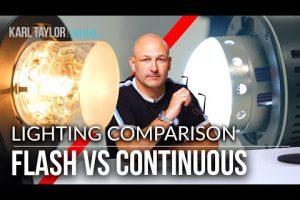
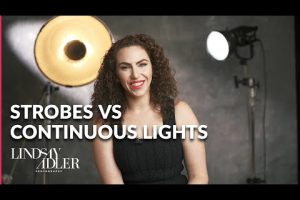
Understanding how LED lights compare to other lighting solutions helps you make smarter gear decisions based on your specific needs. Below is a direct comparison of the most common light sources used in photography today.
| Feature | LED Continuous Lights | Flash/Strobe Units | Softbox with Flash |
| Output Power | Moderate to High | Very High | Very High |
| Real-Time Preview | Yes | No (requires test shots) | No |
| Portability | Excellent | Good | Moderate |
| Color Temperature Control | Full adjustable range | Limited (gel-dependent) | Limited (gel-dependent) |
| Best For | Video, tutorials, live sessions | Freezing motion, studio portraits | Soft, diffused portraits |
| Heat Output | Low | Minimal (short burst) | Minimal |
| Cost Range | $30–$1500+ | $100–$2000+ | $50–$300+ |
The biggest advantage of continuous LED lighting is the ability to see your lighting setup in real time. With strobes, you often spend time chimping your LCD screen, adjusting power settings, and retesting until you achieve the look you want. LEDs eliminate that guesswork, which is especially valuable when you are teaching photography, conducting interviews, or working with models who need visual feedback on how the light shapes their features.
Expert Tips for Getting the Most Out of Your LED Lights
- Use diffusion at all times. Even the best LED panels produce hard shadows when bare. Adding a softbox, diffusion cloth, or even a sheer white bedsheet between the light and your subject instantly creates a more flattering, cinematic quality.
- Position your key light at a 45-degree angle. This classic lighting angle creates natural-looking shadows that add dimension to faces and objects without creating unflattering harsh lines.
- Mix ambient and artificial light carefully. When shooting indoors with window light, set your LED panel to match the color temperature of the daylight entering the room to avoid awkward mixed color casts.
- Invest in a light meter. Even though LEDs are continuous, using a handheld incident light meter ensures consistent exposure across multiple shots and setups.
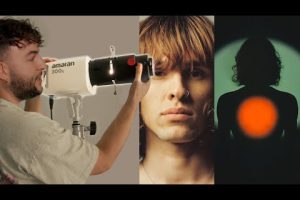
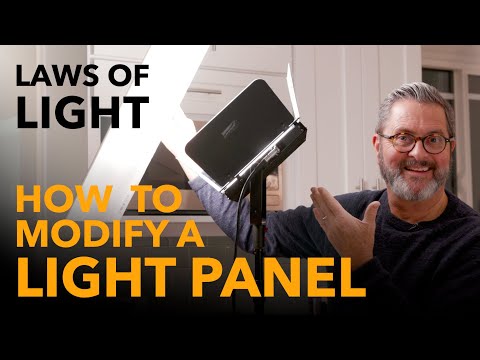
- Control spill light. Use barn doors, snoots, or flags to direct light exactly where you want it and prevent unwanted illumination of backgrounds or nearby set pieces.
- Stack multiple LED sources. Combining a key light, a fill light, and a hair light or background accent creates professional three-point lighting setups that add depth and separation to your images.
Common Mistakes Beginners Make with LED Photography Lights

One of the most frequent errors is placing the LED panel too close to the subject, which creates unflattering, overly harsh shadows. Another mistake is ignoring the color temperature of the LED and the ambient light in the scene, resulting in photos with mixed white balance that are difficult to correct in post-production. Beginners also tend to undervalue the importance of light positioning, treating the LED as a “set it and forget it” source rather than actively shaping and moving it to achieve the desired effect. Finally, many new photographers purchase cheap, low-CRI panels without realizing that poor color rendering leads to dull, lifeless images — especially on skin tones — that no amount of editing can fully fix.
Conclusion
LED photography lights represent one of the most practical and powerful investments any photographer or videographer can make. Their combination of real-time preview, adjustable color temperature, portability, and energy efficiency makes them suitable for virtually every genre of photography and video production. Whether you are starting out with a single compact panel or building a full multi-light studio setup, the principles remain the same: control your light, shape it intentionally, and always prioritize color accuracy and diffusion. By following the tips and recommendations outlined in this guide, you will be well-equipped to make informed purchasing decisions and use your LED lighting tools to their full creative potential.

Frequently Asked Questions
What is the best LED photography light for beginners on a budget?
For beginners looking to get started without a significant investment, the Godox ML60 and the Neewer 660 LED Panel are excellent choices. Both offer adjustable color temperature, decent brightness output, and affordable price points under $150, making them ideal entry-level continuous lighting solutions for portrait and product photography.
Can LED photography lights be used for video shooting?
Absolutely. In fact, LED lights are the preferred choice for video production because they provide continuous illumination that allows you to monitor exposure, white balance, and shadow detail in real time. Look for lights with flicker-free dimming and high CRI ratings (95+) to ensure smooth, natural-looking footage on camera.
How do I choose the right color temperature for my LED light?
The right color temperature depends on your shooting environment and creative intent. For indoor setups with warm ambient light, a setting around 3200K works well. For outdoor daylight scenes or clean, modern aesthetics, 5500K to 5600K is ideal. Many photographers adjust the LED color temperature to match the existing ambient light for a seamless, natural look.
What is the difference between CRI and TLCI in LED photography lights?
CRI (Color Rendering Index) measures how accurately a light source renders colors compared to natural sunlight, with 100 being perfect. TLCI (Television Lighting Consistency Index) is specifically designed to evaluate light performance for video cameras, taking into account sensor characteristics. Both metrics above 90 are considered excellent for professional photography and videography work.
Do I need a separate battery system for portable LED lights?
This depends on the model and your shooting needs. Many portable LED lights come with built-in rechargeable batteries that last between one and three hours on a full charge, which is sufficient for shorter shoots. For extended sessions or high-output usage, purchasing external V-mount or NP-F batteries ensures uninterrupted power and gives you more flexibility on location.